Have a complaint? Click Here.




Why Is Your Heat Pump Struggling in Tucson? Understanding Common Repairs & Costs


More than 19,676+ 5-Star reviews
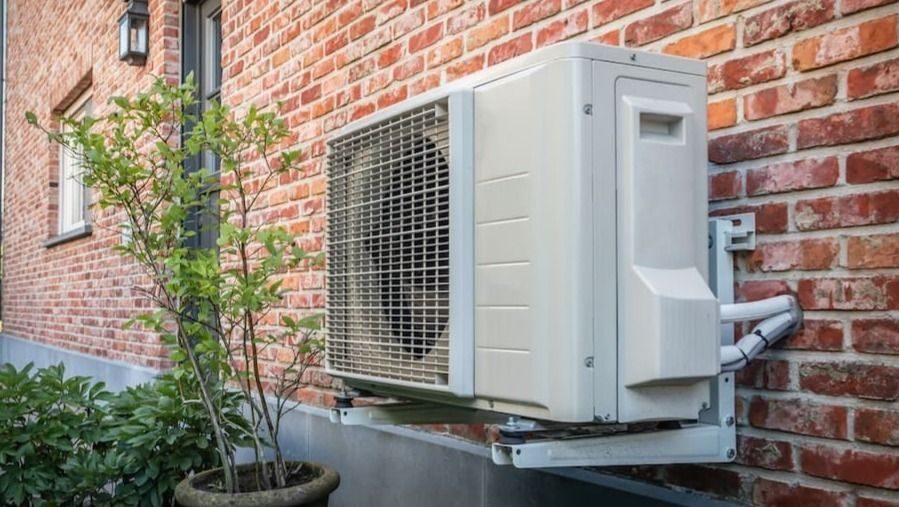
Heat pumps are a popular heating and cooling solution for Tucson homeowners, providing year-round comfort through one system. However, Southern Arizona’s extreme summer temperatures, dusty conditions, and cooler winter nights can place significant demands on HVAC equipment. If your heat pump isn’t maintaining comfortable temperatures, runs constantly, or makes unusual noises, you may be wondering what’s wrong and how much repairs could cost.
Some heat pump problems involve relatively minor components, while others require more extensive repairs. Knowing the warning signs can help you tell when you need professional service and whether repairing or replacing your equipment makes more sense.
In this guide, we’ll explore common heat pump problems in Tucson, typical repair costs, safe troubleshooting steps, and how to determine the best solution for your home’s heating and cooling needs.
Why Do Heat Pumps Struggle in Tucson’s Climate?
Tucson’s climate creates unique operating conditions for heat pumps. During summer, outdoor temperatures regularly exceed 100°F, requiring cooling equipment to transfer heat from inside your home into already-hot outdoor air.
This increases system demands and can reduce cooling efficiency. However, heat pumps are designed to operate in hot climates, and longer cooling cycles during extreme heat don’t automatically indicate equipment failure.
Several factors can affect heat pump performance in Tucson:
-
Extreme summer temperatures: High outdoor temperatures make heat transfer more challenging and can increase equipment operating time.
-
Dust accumulation: Airborne dust and debris can collect on filters and outdoor coils, restricting airflow and reducing efficiency.
-
Extended operation: Heat pumps provide both heating and cooling, meaning components may experience substantial year-round use.
-
Cool winter nights: Heating capacity and efficiency can change as outdoor temperatures drop, particularly during colder weather.
-
Ductwork problems: Leaky or poorly insulated ducts can reduce the amount of conditioned air reaching living spaces.
-
Home insulation: Poor insulation, air leakage, and excessive solar heat gain can increase heating and cooling demands.
A heat pump that runs longer during extreme weather isn’t necessarily malfunctioning. However, if the system cannot maintain comfortable indoor temperatures or shows other warning signs, you may need a professional evaluation.
What Are the Most Common Signs Your Heat Pump Needs Repair?
Heat pump problems often develop gradually, so it’s important to notice changes in performance. Some symptoms indicate minor maintenance needs, while others suggest mechanical or electrical problems.
Common signs your heat pump may need professional repair include:
-
Insufficient cooling: The system runs but struggles to lower indoor temperatures during hot Tucson afternoons.
-
Insufficient heating: Your heat pump cannot maintain comfortable temperatures during cooler winter weather.
-
Warm air during cooling: Air from the supply vents isn’t adequately cooled, which can indicate refrigerant, airflow, or equipment problems.
-
Short cycling: The system repeatedly turns on and off without completing normal operating cycles.
-
Weak airflow: Reduced airflow makes it difficult to distribute conditioned air throughout your home.
-
Unusual noises: Grinding, rattling, buzzing, or squealing sounds may indicate mechanical wear or electrical issues.
-
Unexpected energy increases: Electricity consumption rises without an obvious explanation, although weather and utility rates also affect bills.
-
Continuous operation: The heat pump runs excessively without reaching the thermostat setting.
These symptoms can have multiple causes. A professional HVAC diagnosis helps determine whether the problem involves maintenance, a repairable component, or broader equipment deterioration.
What Are the Most Common Heat Pump Repairs?
Heat pumps contain electrical, mechanical, and refrigeration components that work together to provide heating and cooling. When one component fails, the system may operate inefficiently or stop working entirely.
Common heat pump repairs include:
-
Capacitor replacement: Capacitors help certain motors start and operate properly. A failed capacitor may prevent the compressor or fan motor from running.
-
Contactor and electrical repairs: Worn contactors, damaged wiring, or faulty connections can interrupt equipment operation.
-
Fan motor replacement: Indoor and outdoor fan motors support airflow and heat transfer. Motor problems can reduce heating or cooling performance.
-
Refrigerant leak repair: Refrigerant leaks can reduce system capacity and efficiency. Locate and repair the leak rather than repeatedly adding refrigerant.
-
Reversing valve repair: The reversing valve allows the heat pump to switch between heating and cooling. A malfunction may prevent the system from operating correctly in one mode.
-
Control board replacement: Electronic control problems can interfere with equipment communication, operating cycles, and system functions.
-
Compressor repair or replacement: The compressor circulates refrigerant through the system. Compressor failure can involve substantial repair expenses and may lead homeowners to consider replacement.
Not every heat pump problem requires replacing a major component. Accurate diagnosis is essential because different underlying issues can cause similar symptoms.
Can You Troubleshoot Heat Pump Problems Before Calling a Technician?
Some heat pump performance problems involve basic maintenance issues homeowners can safely check. However, electrical components, refrigerant systems, and internal mechanical parts should be handled by qualified HVAC professionals.
Before scheduling service, consider these troubleshooting steps:
-
Check thermostat settings: Confirm the thermostat is set to the intended heating or cooling mode and the desired temperature.
-
Inspect the air filter: Replace or clean a dirty filter per the manufacturer’s recommendations.
-
Check supply and return vents: Make sure furniture, rugs, or other objects aren’t restricting airflow.
-
Look for outdoor obstructions: Remove loose debris around the outdoor unit without opening equipment panels or contacting electrical components.
-
Review thermostat alerts: Note error messages or unusual system notifications.
-
Check for obvious power problems: Verify the thermostat operates normally and inspect accessible breakers without repeatedly resetting a breaker that trips.
If the system continues struggling after these checks, professional service is the next step.
Avoid opening electrical cabinets, testing capacitors, handling refrigerant, or attempting compressor repairs. These tasks involve hazards and require specialized training and equipment.
When Should You Repair or Replace Your Heat Pump?
The decision to repair or replace a heat pump depends on its age, overall condition, repair costs, and expected future performance.
Many residential heat pumps are considered for replacement after about 10 to 15 years, though actual service life varies with maintenance, installation quality, and operating conditions.
Repair may make more sense when the heat pump is relatively new, has a reliable service history, and needs an isolated repair at a reasonable cost. Existing warranty coverage may also make repairs more practical.
Consider replacement when major components fail, breakdowns become frequent, or the equipment can no longer maintain comfortable temperatures despite appropriate repairs.
For example, replacing a capacitor on an otherwise reliable heat pump may be a straightforward decision. Replacing an expensive compressor on an aging system with additional problems may require a closer comparison of repair and replacement costs.
A professional evaluation can help homeowners determine whether repairs will restore dependable performance or whether new equipment better meets their needs.
How Can Regular Maintenance Prevent Heat Pump Problems?
Regular maintenance helps heat pumps operate reliably through Tucson’s hot summers and cooler winters. Because these systems provide both heating and cooling, they need consistent attention.
Recommended maintenance practices include:
-
Check air filters regularly: Dust accumulation can restrict airflow and reduce system performance.
-
Keep outdoor equipment clear: Remove visible leaves and loose debris from around the unit.
-
Schedule professional coil cleaning: Dirty coils can interfere with heat transfer and reduce efficiency.
-
Inspect electrical components: Technicians can identify worn connections, contactors, and other developing problems.
-
Evaluate refrigerant performance: Professional testing can identify conditions that suggest an improper refrigerant charge or leaks.
-
Check condensate drainage: Blocked drains can cause moisture problems and interrupt cooling.
-
Evaluate airflow: Blower operation and ductwork conditions influence heating and cooling performance.
-
Schedule seasonal HVAC service: Professional inspections can identify maintenance needs before periods of heavy use.
Maintenance cannot prevent every mechanical failure, but it can help identify developing problems before they become more disruptive.
For Tucson homeowners, keeping filters clean and addressing dust buildup are key to maintaining heat pump performance.
Schedule Heat Pump Repair With Semper Fi Heating & Cooling
Heat pump problems can result from several causes, including airflow restrictions, electrical failures, refrigerant leaks, and mechanical wear. Understanding the warning signs and potential repair costs can help Tucson homeowners make informed decisions about maintaining their heating and cooling equipment.
At Semper Fi Heating & Cooling, we help Tucson homeowners address heat pump performance concerns and explore appropriate repair or replacement options. Whether your system struggles during extreme summer heat or fails to provide adequate warmth in cooler weather, a professional diagnosis can identify the underlying problem.
If your heat pump isn’t heating or cooling properly, makes unusual noises, or needs frequent repairs, contact Semper Fi Heating & Cooling today. Our team can evaluate your system and discuss solutions to restore dependable year-round comfort in your Tucson home.



Contact Us Today for a Free Estimate or a $17.75 Tune-Up
Semper Fi Heating & Cooling provides 24/7 heating, cooling, plumbing, and home comfort services backed by quality workmanship and a veteran-run commitment to exceptional service. Call or schedule your service today!