20% Discount for Veterans, First Responders & Their Families

Phone Icon Y Arizona: (480) 616-3636 Phone Icon Y Nevada: (702) 818-0284

Author: Hector Waldo

Brown water from faucet

Why Is There Brown Water Coming From My Faucet and How To Fix It?

When you fill a pot from the faucet to cook your pasta for dinner, you expect to see clear water. Finding out your pasta water is brown from the faucet can leave you in a panic, and you may start to worry if something’s wrong with your plumbing. Luckily, brown water from the sink faucet is a relatively common problem for homeowners, and it’s solvable! 

Are you frantically scrolling the internet trying to figure out why you have brown water coming out of the faucet? If so, you’ve come to the right page. Semper Fi Heating & Cooling has experience dealing with discolored tap water, and we’ll quickly go over common causes, how to fix the problem, and what you can do to prevent oddly-colored water in the future. 

Common Causes of Brown Water

Rusted Pipes

As your plumbing system gets older, it can start to wear down and corrode. When your pipes start to rust, the rust can discolor your water as it travels through. Older homes that have galvanized steel pipes are at a greater risk of rust.

If you notice brown water from multiple fixtures throughout your home or after using a ton of water, rust could be the culprit. You’ll need a professional inspection to check for any corrosion.

Water Heater Issues

If your home uses a tanked water heater, sediments can start to build up in the water storage tank. Over time, this buildup causes corrosion and rust that can turn your water brown. While this is a similar issue to rusty pipes, rust in your heater results in brown tap water specifically when you turn on the hot water. 

You can help prevent corrosion by regularly flushing your tank to remove sediments or replacing the anode rod in your heater. 

Water Pressure Changes

Your plumbing system needs water pressure to push clean water throughout your home. If this pressure fluctuates, it can disturb the sediment in your water heater or nearby plumbing and turn your water brown. This can also happen if someone’s working on your main water line or using a nearby fire hydrant. If discoloration persists, a trusted plumbing company in Peoria, AZ can inspect your system, as sediment that settles in your pipes can easily get stirred up and affect water quality.

External Contaminants

Factors outside of your control can also change the color of your water. Local weather conditions, such as heavy rainfall, can saturate the soil outside and cause it to seep into your plumbing system. This can discolor your water supply and make your water unpleasant to drink. 

Nearby construction can also impact the cleanliness of your water supply. Heavy machinery kicks up a ton of dirt and other debris, which can leak into your plumbing system and turn your water brown. 

Is Brown Water Harmful?

If you accidentally drank a glass of tap water or took a shower before you noticed the discoloration, there’s no need to panic. While brown water is unpleasant to look at, it’s not a serious risk to your health and safety. You may experience minor, short-term inconveniences such as stains on your clothes and mild skin irritation, but you’re not in any immediate danger. 

If the discoloration is coming from rusty pipes or water heaters, the corrosion can breed germs that filter into your water and lead to extensive damage to your plumbing. Repairing corrosion quickly can clear up your water and prevent further issues.

Solutions to Fix Brown Water

Brown water from your faucet isn’t a lost cause. The most common causes are easily fixable and won’t cost you a fortune. Here’s what you can do to clear your water and get rid of any sediments or contaminants that turn it brown: 

Immediate Actions

When you notice the brown discoloration in your water, the first thing you should do is turn on your cold water and let it run for around 20 minutes. This will clear out any sediment in your pipes. Try to avoid using any hot water so the contaminated water doesn’t filter into your water heater. If the water clears up after running it for a while, the cause is likely sediment buildup.

You can also check and see if your neighbors are experiencing a similar issue. If the entire neighborhood has brown water, then the problem could be with the main water line or outside forces like nearby construction.

Inspecting Pipes

Walk around your home and take a look at any exposed pipes you can easily access. Check for any signs of visible corrosion or rust that could discolor your water supply. Cracks and leaks can also let debris into your water, so look for those as well.

Consider contacting a professional plumber if you notice signs of corrosion. Replacing the pipe before the problem progresses can save you the headache of a plumbing emergency later down the road. 

Flushing the Water Heater

Flushing your water heater once a year can prevent sediment buildup and corrosion in the tank. Turn off your heater and make sure it’s completely cooled to prevent a literal hot mess. From there, all you need to do is connect a hose to the drain valve, put the other end of the hose in your sink or outside, and let the water flow until the tank is empty.

A local plumber in Goodyear, AZ can also flush your heater for you if you don’t want to deal with the hassle. They can also do an annual checkup to make sure your heater is working properly and there are no signs of rust.

Contacting Authorities

In some cases, the problem may be outside of your home. If you notice discolored water coming from every fixture in your home and your neighbors are also dealing with the same thing, the problem may be in the main water line. 

Your city is responsible for maintaining the main line and ensuring homeowners have access to clean water. Report any brown or discolored water to city officials if you suspect issues with the main water line.

Using Filtration Systems

Hard water and excess sediments can leave stains in your shower and residue in your hair, especially living in the Phoenix desert. Whole-home filtration systems and sediment filters can help reduce the contaminants in your water and keep it crystal clear. You can also look into water softening treatments that decrease the minerals in your water so you can enjoy a crisp glass of water fresh from the tap.

Preventative Measures for Clear Water

No one wants to turn on their faucet and be met with dirty, brown water. While issues can hide and turn your water gross overnight, you can help prevent it from ever happening in the first place. You can take preventative measures to make sure your water remains clear all year long, including:

Regular Plumbing Inspections

Sediment buildup and corrosion can be sneaky and hide away until it causes brown water or a leak. Annual inspections from a certified plumber can check for signs of corrosion and sediments and catch them early before they cause more problems. This not only saves your pasta water from turning brown, but you also save money on costly repairs and replacements later down the line. 

Water Maintenance

Regular water heater upkeep can keep it running smoothly and prevent corrosion. Schedule regular system flushes with a plumber or do it yourself to keep the tank clear of any sediments. You can also keep an eye on the anode rod and replace it as needed. 

Installing Modern Piping

To reduce the risk of rusty pipes, upgrade your system to copper or PEX pipes that are resistant to corrosion. These modern plumbing systems offer long-term reliability and peace of mind that your pipes are rust-free.

Water Treatment Options

If you live in an area with mineral-heavy water, sediment filters, and water-softening treatments can reduce the contaminants in your water and reduce the risk of corrosion and buildup. There are whole-home systems as well as filters that attach to your faucet.

Special Considerations for Local Water Systems

Certain factors can increase the risk of your water turning brown, some of which are out of your control. Older homes with aging infrastructure such as galvanized steel water pipes make the problem worse due to their high likelihood of rust and corrosion. Check to see what system your home uses and consider an upgrade if your plumbing is outdated.

Seasonal factors such as heavy rainfall and drought can also make your water look cloudy or dirty. If you notice sudden water discoloration, consider what the weather has been like recently and how that can affect your plumbing system.

Resolve Brown Water Issues with Semper Fi Plumbing Services in Phoenix Metro, AZ

Your faucet spewing out brown water is unpleasant and gross to look at but rest assured it’s usually fixable. With the proper care and steps, your water will be back to crystal clear in no time. You can also prevent this from happening with routine maintenance services and professional plumbing inspections in Glendale, AZ.

If you need a local plumber to un-brown your water, our HVAC contractor in Peoria, Tempe and Mesa is ready to help. Our certified plumbing experts will make sure your water is clear and your plumbing is ready to go all year long. We also offer professional leak detection services in Mesa to tackle and prevent potential leak issues. Schedule an appointment today and see what we can do for you!

Plumbing Services Emergency

When Should You Call Emergency Plumbing Services?

From a burst water pipe to a backed-up toilet, sudden plumbing problems can quickly flood your home and create more serious issues. If you find water in your home where it’s not supposed to be, your first thought is to call a plumber—but do you call the business number or an emergency plumber? What is a plumbing emergency?

If you’ve got your phone in your hand but aren’t sure whether to dial your regular plumber or an emergency service, Semper Fi Heating & Cooling can help. We’ll use our experience to provide some insight into what a plumbing emergency is, why it’s important to act fast, common plumbing emergencies, and what you can do while you wait for a plumber to arrive. 

What is Considered a Plumbing Emergency?

Knowing whether to call a routine plumber or an emergency plumber can save you from hassle and unnecessary expenses in the long run. An emergency plumbing scenario is something that threatens the structural integrity and safety of your home and requires fast solutions to prevent further damage. 

Pipe bursts, sewage backups, and gas leaks are all considered plumbing emergencies because they pose immediate dangers and must be repaired as soon as possible. On the other hand, routine issues such as a clogged drain or weak toilet flush don’t need immediate attention.

It’s important to note that many companies charge an additional emergency fee on top of the expenses to fix the issue. This fee covers the rapid response time as well as the service outside of regular business hours. No one wants to pay an unnecessary extra fee, so keep this in mind when debating whether to call an emergency line. 

Why Acting Quickly Is Critical in Plumbing Emergencies

When water starts to flood your home, you need to act fast. Delays can worsen the damage to your home and lead to serious health and safety complications. The more the water damage spreads, the more it weakens the structural integrity of your home, leading to potential collapses. In addition, you and your loved ones could be exposed to harmful substances such as mold, sewage water, or gas leaks. Acting quickly can protect what’s important to you from further harm. 

Not only is there a health and safety risk with waiting, but untreated plumbing emergencies can cost you financially. Addressing the problem quickly reduces water damage to your home and helps prevent costly repairs later down the line. The sooner you address the issue, the less it will cost you to fix it.

Common Plumbing Emergencies and How to Identify Them

Knowing what to look for in the event of a plumbing problem can help you prepare and know the proper service to call. If you’re not sure what constitutes a plumbing emergency, here are examples of the most common emergencies and what you can do to correctly identify them.

Burst Water Supply Pipes

Low water pressure, visible leaks, and loud noises inside your walls could all point toward a burst pipe in your home. Cracks and other damage to your pipes can cause water to seep out, and with enough pressure buildup, the pipe could burst open. In the event of a burst pipe, immediately shut off your home’s main water valve and contact an emergency plumber.

Sewage Backups

Sewage water backing up into your home is a serious health and environmental hazard that can lead to illness. Look for signs such as a foul odor in your home, water pooling outside your home, and water backup in your sinks or showers. 

Water Heater Problems

A broken water heater can leave you out in the cold. Look for signs such as a lack of hot water in your home, odd noises from your unit, and visible leaks near your water heater.

If you have a gas water heater, a breakdown can lead to a dangerous gas leak in your home. If you suspect a gas leak, evacuate your home immediately and contact an emergency plumbing service. 

Overflowing Toilets

Toilet clogs and malfunctioning float mechanisms can cause your toilet to overflow into your home. Before calling a plumber, try unclogging your toilet. If that doesn’t help, shut off the valve and get in touch with a plumber.

Gas Leaks

A gas leak is a serious emergency that requires immediate professional help. Watch for signs such as a rotten egg smell in your home, discolored stove flames, and a hissing noise. If you suspect a gas leak, immediately evacuate your home and contact emergency services. Open the windows and doors on your way out to let the gas dissipate without building up in your home. 

Hidden Leaks and Their Long-Term Impact

Not all leaks leave obvious puddles in your home. Minor leaks can hide in your walls or ceilings and leave subtle hints like ceiling stains, mold growth, and sagging walls. These minor drips can quickly escalate into an emergency if left untreated as the water continues to spread.

What to Do in a Plumbing Emergency Before Help Arrives 

When you call for plumbing services in an emergency, even the fastest team will take some time to arrive at your location. You don’t want to sit around doing nothing; take this time to try and minimize the damage. Here’s what you can do to protect your home while you wait for the plumber to arrive:

  • Turn Off Your Water and Gas: The first thing to do is shut off your home’s main water or gas line. This means you won’t have running water anywhere in your home, but it prevents more water or gas from leaking into your home and causing damage while you wait for help.
  • Protect Your Belongings: Move any personal valuables away from the leak and water damage to prevent them from getting soaked. For items you can’t move, cover them with a tarp or waterproof covering to prevent further damage. 
  • Use Temporary Fixes: While you wait, the goal is damage control. Use buckets to collect any dripping water and find supports to hold up any weak areas of water damage. 
  • Evacuate in an Emergency: In the event of a severe emergency, such as a gas leak or collapsed ceiling, evacuate your home immediately. Do what you can to keep yourself and your family safe while you wait for help.

How to Choose the Right Emergency Plumbing Service

In the event of a plumbing emergency, time is of the essence. However, you still need to take a minute and make sure you choose the right plumber for the job. You don’t want just anyone fixing your home—you need a reliable team who will fix the issue quickly.

Look for a local company in your area that has the proper certifications and 24/7 emergency services. A burst pipe doesn’t wait until regular business hours, and you need a plumber who’s available to help at any hour of the day. 

Check customer reviews and see what they have to say about the company’s response time and the quality of their services. This will also give you an idea of how the company serves its customers.

Preventive Measures to Avoid Plumbing Emergencies

Don’t wait until a pipe bursts to take care of your plumbing system. Regular maintenance and check-ups can catch potential issues early before they lead to a serious emergency. A professional plumber should take a look at your system once a year to make sure everything looks good. You can also check your plumbing and maintain it with routine upkeep habits such as:

  • Inspect Your Pipes and Water Heater: Give your plumbing system a visual inspection and check for any signs of corrosion or cracks that could lead to leaks. Check that your water heater is working properly and everything looks good.
  • Clean Your Drains and Prevent Clogs: Use a drain snake or drain cleaner to clear out any minor clogs in your sink or shower drains. Clogs can prevent water flow and lead to water pooling, which over time can wear down your system and lead to water leaks.
  • Install Water Pressure Regulators: A common cause of a burst pipe or water leak is excess water pressure in your plumbing system. Installing a pressure regulator can make sure pressure doesn’t build up and lead to a serious problem.

Frequently Asked Questions

Is a small water leak an emergency?

It depends on where the leak is and what you can do to stop it while you wait for a plumber. A dripping shower head or sink is easy to contain, and you can avoid using those fixtures while you wait, so these aren’t considered emergencies. However, a leak that causes water damage to your walls or ceiling is an emergency, and you should call an emergency plumber in Glendale, AZ as soon as possible.

How urgent is a leaky toilet?

A toilet leaking from the base could be dripping unsanitary water into your home, and this needs to be dealt with quickly. If the tank is leaking into the bowl, it’s not as big of an emergency, though it may cost you extra on your water bill. A plumber in Goodyear, AZ needs to fix these issues quickly.

Why won’t my toilet stop running?

A toilet that won’t stop running isn’t a plumbing emergency, but you could be wasting water. You can check the flapper and flush lever to make sure everything is working properly, and you can try DIY solutions before calling a plumber.

Protect Your Phoenix Home with Reliable Emergency Plumbing Services

In an emergency, acting fast can save your home and your wallet from serious damage. Not only do you protect what matters most to you, but you save money on more extensive repairs later on. Working with a reliable emergency plumber will keep your home water-free and ensure the issue is taken care of quickly. Our plumbers can also help you in improving water quality by offering dedicated water softening solutions in Phoenix, AZ.

If you’re looking for reliable, 24/7 plumbing services in the Phoenix Metro area, look no further than Semper Fi Heating & Cooling. Our team of local plumbers is available whenever you need us, and we’re ready to help in the event of an emergency, ranging from your pipes and drains to the water heaters. Get in touch with us today to schedule an appointment for not only plumbing but also for attic insulation in Las Vegas, water softener installation services, and others and we’ll be there come rain or shine.

Heat and Air Conditioning, HVAC system service technician using measuring manifold gauge checking refrigerant and filling industrial air conditioner after duct cleaning maintenance outdoor compressor.

How Long Do Heaters Last?

Not sure if it’s time to get a new heater (also known as a furnace)? Beyond purchasing well-made HVAC equipment, there are many factors that can shape the lifespan of a heater. Things like installation accuracy and frequency of heater maintenance can also impact how long your heating system provides reliable home comfort.

Let’s take a closer look at heater replacement and answer the question, “How long do heaters last?” We’ll start by reviewing the average heater duration and the factors that influence it. Next, we’ll list some of the key indicators that it’s time to replace your heating system, concluding with professional pointers for maximum heater longevity.

Let’s get started!

Average Heater Lifespan

Assuming it receives proper care and maintenance, a typical heater should provide dependable heating for 15 to 30 years. Regular upkeep—such as annual inspections, filter changes, and timely repairs—can significantly extend its operational life. While some rare units function beyond the 30-year mark, homeowners should realistically anticipate that their heater will perform within this general timeframe.

Many homeowners face the decision of whether to replace their heater before it fails. Some opt to proactively replace their unit once it is out of warranty, viewing this as a way to ensure continued efficiency and peace of mind. Others choose to invest in maintaining their existing heater, opting for service repairs until replacement becomes absolutely necessary. 

Ultimately, the choice between preventive replacement and ongoing repairs often hinges on the heater’s condition, the cost of repairs, and individual comfort with the risk of unexpected failures.

Factors Affecting a Heater’s Lifespan

Your heating system should last you a couple of decades, but there are several key factors that will ultimately determine the lifespan of a heater:

  • Installation Quality: Proper installation is crucial for long-term performance. Poor ductwork design, improper sizing, or incorrectly sealed connections can restrict airflow and strain your system. When venting and fuel lines aren’t installed correctly, it can lead to inefficient operation and potentially reduce your heater’s lifespan by several years.


  • System Size: A heater that’s too large or too small for your home will cycle improperly, causing unnecessary wear on components. Oversized units short-cycle frequently, while undersized ones strain to meet heating demands. Either scenario can cut years off your system’s expected lifespan and drive up energy costs.


  • Maintenance Schedule: Annually scheduled furnace (heater) maintenance is vital for maximizing your heating system’s longevity. Regular cleaning, inspection, and tune-ups help identify minor issues before they become major problems. A well-maintained furnace can last 5-10 years longer than one that receives occasional care.


  • Usage Patterns: How you operate your heater significantly impacts its lifespan. Keeping thermostat settings between 60° and 80° Fahrenheit helps prevent system strain. Extreme temperature settings force your heater to work harder than necessary, potentially leading to premature component failure and shortened system life.

How Will I Know When to Replace My Heater?

Young woman sitting at home by the fireplace with a hot tea or coffee mug and warming her hands, she is wearing white woollen sweater. Cold houses in Europe concept during energy and gas crisis.

Even well-maintained heaters eventually reach the end of their service life. When your heating system starts showing the following warning signs, it’s time to consider replacing it rather than investing in ongoing repairs. The silver lining? A new heater can provide improved comfort and energy savings compared to an aging unit. 

Watch for these key indicators that it’s time to schedule a furnace (heater) replacement:

  • Rising Energy Bills: If your heating costs are climbing despite unchanged usage, your heater’s efficiency may be declining. Modern high-efficiency units can significantly reduce monthly energy expenses.


  • Frequent Repairs: When repair costs exceed 50% of the price for a new unit and service calls become frequent, replacing your heater is the more cost-effective choice.


  • Temperature Inconsistency: Uneven heating throughout your home or difficulty maintaining set temperatures often indicates your heater can no longer meet your heating demands effectively.


  • Unusual Noises: Rattles, bangs, or squeals may signal serious mechanical issues. While some noises warrant repair, multiple sound issues often indicate impending system failure.


  • Cold Air Output: A heater blowing cool air despite proper thermostat settings typically indicates major system problems that likely justify replacement.

How to Extend the Lifespan of Your Heater

Regular preventative heater maintenance is key to achieving the upper end of this lifespan. Trained HVAC contractors in Buckeye, Peoria and Phoenix know how to identify potential issues before they lead to system failure, ensuring your heater stays dependable across multiple decades of service.

Here’s what you can do to protect your investment:

  • Professional Maintenance

Schedule annual professional maintenance with a qualified HVAC technician in Goodyear, AZ who knows how to thoroughly check, clean, and test components safely. Regular expert service helps catch minor issues before they become costly emergencies, ensuring your system operates at optimal efficiency.

  • DIY Maintenance

For routine maintenance between professional visits, check and replace your air filter monthly during peak heating season. Clean filters protect internal components from dust and debris while maintaining proper airflow.

Expert Heater Services in Phoenix, AZ & Las Vegas, NV

Now that you understand how long your heater should last and what you can do to maximize its lifespan, count on Semper Fi Heating & Cooling for all of your heater maintenance and repair needs. We’re committed to providing home comfort solutions that go beyond the scheduled job. 

With over 1,300 5-star reviews and an A+ rating from the Better Business Bureau, Semper Fi is the company Phoenix counts on for dependable heating solutions.

Our heater services include:

  • Heater Installation
  • Heater Replacement
  • Heater Maintenance
  • Heater Repair

And remember this: when it’s time for replacement, modern heaters convert more fuel into usable heat than older models. While the upfront cost of a new high-efficiency heater may seem significant, the long-term energy savings and improved comfort make it a worthwhile investment when replacement becomes necessary.

At Semper Fi Heating & Cooling, we will help guide you through the decision-making process for cost-effective and dependable results. We know how to get the most out of your heating system while being mindful of heater replacement indicators. We not only offer services for heaters, but also for water heater issues. Schedule a heater inspection today to get started.

Hvac system exterrnal unit by a wooden fence in a house backyard

Heat Pumps vs Furnaces: Which is Right for You?

While traditional furnaces burn a fuel source to produce heat, heat pumps don’t. Instead, they use electricity and various refrigerants to transfer heat from one location to another. Specifically, they take heat from the outside and pump it into your home, which is why they’re called heat pumps. 

These systems work similarly to your refrigerator. Your fridge uses refrigerant to absorb heat produced by the appliance and pushes it out to keep your food cold. The difference is that with a heat pump, you want that heat. The pump then takes in external heat and pushes it into your home.

Benefits of Heat Pumps

Improved Energy Efficiency

Heat pumps are overall more energy efficient than traditional furnaces. They use less electricity to move heat than a furnace burns fuel to create heat. This can save you money in the long run.

2 in 1

While they’re called heat pumps, these systems do the work of both a furnace and an air conditioning unit. Not only do you not have to worry about maintaining 2 separate units, but this also means it requires less energy for a heat pump to heat and cool your home. 

Lower Maintenance Costs

Routine maintenance services for a heat pump are generally cheaper than maintenance for a furnace or air conditioning unit. After the initial installation, the cost to keep your system running smoothly is more affordable.

Benefits of Furnaces

Furnace Heating Repair & Inspection

A furnace (also known as a heater) is the typical heating system people think of when talking about home HVAC systems. These systems use either electricity or burning fuel to create heat that is then distributed throughout your home. While heat pumps move heat that’s already present, furnaces produce heat on their own. 

Gas Furnaces

Gas furnaces can get warmer than a standard electric furnace. Since they burn fuel to produce heat, they can create more heat and warm your home more efficiently. These systems can burn either propane or natural gas.

Electric Furnaces

Electric furnaces heat metal coils to warm the air in the chamber before distributing it throughout your home. Since there’s no fuel to burn and therefore no combustion, there’s no risk of a gas leak or other serious complications. 

Comparing Heat Pumps and Furnaces

When looking for a home heating solution, it’s important to know the pros and cons of each to make an informed decision. We’ll compare the cost, installation, efficiency, maintenance, and energy usage for both heat pumps and conventional heaters so you get a good idea of how each works. With this information, you’ll be able to come to an informed decision about which option is the right one for your home.

Cost

One of the first questions many people will ask when comparing heat pumps to furnaces is which is the cheaper option. Unfortunately, this isn’t a straightforward question to answer. The cost of a heat pump or furnace depends on factors such as where you live, what your home is currently equipped with, and how big your home is.

If your home doesn’t have a gas line and you want a furnace, it’ll cost more to install the proper line. In addition, larger homes require larger units to properly heat the space. Larger units are going to be more expensive. However, both heat pumps and furnaces qualify for tax incentives. 

Installation

The installation process for each can vary based on the structure you already have in your home. If you already have the ductwork from an air conditioning unit, it’s a quick swap to put in a heat pump. However, without the ductwork, installation will include tearing through drywall and putting the proper vents and ducts throughout your home.

Similarly, gas furnace installations require a fuel line. If you don’t already have a gas line, one will need to be installed through your home and under your property. In the end, the installation process and cost fluctuate depending on your situation.

Efficiency

When discussing the efficiency of heat pumps and furnaces, it depends on where you live. Since heat pumps don’t produce their own heat and instead transfer heat from outside, their efficiency depends on the climate. If you live in an area with milder winters such as Phoenix, a heat pump is a great option that can keep up with colder winter nights.

In comparison, people who live in areas with snowy winters that get below freezing may want to consider a furnace. Heat pumps can struggle to pump heat into your home when temperatures get colder, and a furnace will always be able to burn fuel and produce heat.

Maintenance

Both furnaces and heat pumps require routine maintenance to keep them running properly. As mentioned earlier, heat pump maintenance appointments can be cheaper than furnace maintenance appointments. However, this is balanced by the fact that heat pumps require more frequent maintenance services than furnaces. So, while each appointment may be slightly cheaper, they happen more frequently. 

In the long run, furnace (heater) maintenance tends to be more affordable than heat pump maintenance.

Energy Usage

Since heat pumps only transfer heat instead of producing it, they use noticeably less energy than a furnace. Furnaces have to create heat, which takes more energy and can cause an increase in your utility bills. 

However, also keep in mind that a heat pump’s energy usage depends on the climate. In freezing temperatures, your pump will need more energy to properly heat your home, in which case a furnace may be the more energy-efficient option.

Which is Right for You?

After looking at the differences between heaters vs furnaces, how do you know which is the right one for your home? The short answer is: it depends. Furnaces produce more heat than heat pumps, but they can cost more to repair and maintain. There are pros and cons to both, and it’s important to weigh your options and choose the one that works best for you and your situation.

Looking for professional furnace help? Semper Fi Heating & Cooling is your team of local HVAC experts in the Phoenix area. We’re proud to help keep our local communities warm in the winter with high-quality HVAC services in Peoria, Phoenix and Mesa that keep your system working like a charm. Get in touch with us today to schedule an appointment with one of our furnace specialists. 

Woman putting cover on air conditioner unit outside the house

How to Winterize Your AC Unit

As Phoenix and Las Vegas settle into their cooler months, many homeowners overlook a crucial task: winterizing their air conditioning units. While our desert winters are mild compared to other regions, leaving your AC system unprotected can lead to unexpected repairs and shortened equipment life. Even in our temperate climate, seasonal changes can expose your unit to damaging elements—from unexpected frost to corrosive dust storms.

At Semper Fi Heating & Cooling, we’ve seen firsthand how proper winter AC maintenance can extend your system’s lifespan and preserve efficiency. Taking simple precautions now can prevent costly repairs or downtime when summer returns. 

In this guide, we’ll share our expert tips to winterize your AC unit so you can ensure it’s ready to perform when those triple-digit temperatures return.

Clean the AC Unit

Your air conditioner is vulnerable to the elements year-round, but cooler winter temperatures provide a convenient window for cleaning. To avoid electrical shock, start by turning off your AC (it’s getting less use anyway). Next, clear the unit by wiping away accumulated debris. 

Look for and remove obstructions like:

  • Dirt
  • Dust
  • Leaves
  • Twigs and branches
  • Bug carcasses
  • Bird droppings

After the immediate vicinity has been cleaned and cleared, make sure to trim vegetation within a 2-foot perimeter of the AC unit. Doing so will allow for proper airflow once it’s time to power your AC unit back on.

Change the Air Filters

Your AC’s air filter is your home’s first line of defense against airborne contaminants that degrade performance and indoor air quality. As dust, pollen, and debris accumulate, your system is forced to work harder to maintain proper airflow. This additional strain not only elevates energy consumption but can also lead to mechanical wear and tear.

Winterize your AC unit by cleaning or replacing its air filters. The benefits of regular air filter replacement include:

  • Optimal system efficiency

A clean air filter provides better airflow, enabling your AC system to perform at peak capacity. 

  • Reduced energy costs

When your AC operates efficiently, it consumes less power. By regularly replacing the air filter, you can potentially lower your utility bills and save money over time.

  • Reduced wear and tear

A clogged filter forces your cooling system to work overtime, which can lead to overheating and eventual failure. By changing the filters regularly, you help extend the lifespan of your HVAC equipment.

  • Improved indoor air quality

A clean air filter traps pollutants and allergens, providing you with healthier, breathable air. This is especially beneficial for individuals with allergies or respiratory issues, as it helps create a hygienic living environment.

Adjust the Thermostat

Cooler winter temperatures reduce our dependency on air conditioning. Use this to your advantage by adjusting your thermostat’s settings accordingly. When temperatures are nice outside during the winter, you can lower your air conditioner settings or turn off the system altogether. Adjusting your thermostat to reflect cooler outdoor temperatures not only reduces wear and tear but also reduces the amount of energy needed to cool your home.

Inspect the Ductwork

The air that’s cooled by your air conditioner is circulated through your home via a network of air ducts. As dust and debris accumulate in your ductwork over time, it can strain airflow, making it increasingly difficult to maintain HVAC efficiency. 

Now is the perfect opportunity to have your ductwork professionally inspected for damage and cleared of the debris that’s built up during the cooling season. Consider scheduling an air duct cleaning appointment as part of your winter AC maintenance routine. During your appointment, air duct cleaning professionals will inspect for signs of air loss and make sure that areas with leaks are sealed for optimum performance.

Do a Test Run

Once you’ve taken the time to winterize your AC unit, make sure your due diligence has paid off with a test run. Start by turning your system back on and letting it run for 10-15 minutes. During this time, listen for abnormal sounds and observe your thermostat to make sure indoor air has reached the desired temperature. 

If you notice anything out of the ordinary, call our HVAC company in Peoria, Phoenix and Mesa immediately. They will send a trained technician over to double-check your work so that you can rest assured your AC runs smoothly when temperatures start to soar again.

Benefits of Proper HVAC Maintenance and Winterizations

Proper winter AC maintenance delivers substantial returns on your investment. 

Some of the key benefits of HVAC maintenance include:

  • Lower Energy Bills: A well-maintained HVAC system operates at peak efficiency, consuming less power to maintain desired temperatures. Regular maintenance, including clean filters and properly sealed ducts, can reduce your energy consumption by up to 15%, leading to significant savings on monthly utility bills.


  • Extended System Lifespan: Just like any major appliance, your HVAC system needs regular care to perform at its full potential. With proper maintenance and winterization, your system can run reliably for 15 years or more, postponing the need for costly replacements.


  • Improved Air Quality: Regular maintenance helps your system filter out dust, allergens, and other airborne particles more effectively. Clean coils, fresh filters, and sanitized components ensure the air circulating through your home stays clean and healthy.


  • Prevention of Emergency Repairs: Routine AC and furnace maintenance helps identify and address potential issues before they escalate into major problems. This proactive approach not only saves you money but also prevents uncomfortable system failures during extreme temperatures.


  • Enhanced Home Comfort: A properly maintained HVAC system delivers consistent heating and cooling throughout your home. You’ll enjoy steady temperatures, reliable humidity control, and quieter operation year-round.

Schedule a Free HVAC Inspection in Phoenix, AZ or Las Vegas, NV Today! 


Semper Fi Heating Cooling Team

Winterize your AC unit during the cooler months to maintain its performance and longevity when Phoenix and Las Vegas heat up again. Don’t wait until summer’s intense heat returns to discover AC issues. Contact Semper Fi Heating & Cooling today to schedule an HVAC inspection.

A businessman touches a digital progress bar indicating the transition from 2024 to 2025, symbolizing strategic planning, future readiness and challenge strategy for an HVAC Company

What to Expect in the HVAC Industry for 2025

You shouldn’t even notice your HVAC system is on when it’s doing its job well. Especially with the integration of smart home services, heating and cooling your home has never been so hands-off. 

Smart HVAC systems provide homeowners with automated climate control and remote operation for seamlessly tailored home comfort. Driven by convenience and affordability, HVAC technology will continue to get smarter, more efficient, and more environmentally friendly. To ensure their customers can take advantage of these emerging benefits, HVAC contractors must keep up to date with HVAC industry trends. 

So, in the spirit of beginning a new year, let’s get excited about the future of the HVAC industry and the trends that will shape it. In the following article, we’ll take a look at what you can expect from 2025 HVAC systems and the professionals who repair and install them.

Smarter HVAC Systems

The same technology that helps us stay connected with others also helps your HVAC system communicate with the other smart systems installed on your property. By wirelessly integrating with other platforms, 2025 HVAC systems automatically update their settings in real time using local weather data obtained from your smart TV or occupancy routines gained from your doorbell camera.

The connectivity of home systems enhances overall automation, comfort, and energy efficiency.

Smart thermostats and HVAC systems connected with other smart home services are especially beneficial for: 

  • Travelers, or people who have vacation homes.
  • Homeowners with pets.
  • Households with children who commute to and from school outside working hours.
  • Those with unconventional schedules.

HVAC Integration with Internet of Things (IoT) 

Incorporating HVAC technology with IoT will continue to drive innovation in the HVAC industry—and rightly so. HVAC systems equipped with sensors, processors, and communicative software give homeowners supervision of their home’s climate based on real-time environmental changes. Thanks to remote and voice-activated control, smart HVAC systems integrated with IoT provide revolutionary energy management and comfort.

Predictive Maintenance

Any dependable HVAC repair technician will tell you that predictive maintenance is the key to preventing heating and cooling emergencies or unnecessary replacements. And thanks to artificial intelligence (AI), predictive maintenance has never been so easy. 

AI-powered HVAC technology can interpret analytical data to monitor and anticipate HVAC issues. When abnormalities are detected, homeowners will receive fast alerts, giving them more time than ever to fix a problem before it escalates. The sooner HVAC issues are detected and addressed, the longer your equipment will perform.

Improved Climate Control

Smart HVAC systems offer unprecedented levels of customization through zone-specific temperature management. Rather than maintaining a single temperature throughout the home, these advanced systems enable room-by-room climate control, resulting in personalized comfort and significant energy savings.

The integration of AI-powered sensors in smart HVAC systems allows homeowners to continuously monitor and adjust their home’s climate. Beyond temperature, they will also be able to oversee: 

  • Humidity levels
  • Air quality
  • Airflow patterns

These smart home services learn from occupant preferences and daily routines, automatically adjusting to optimize comfort and minimize energy consumption. For example, the system might reduce cooling in rarely used spaces while maintaining ideal conditions in frequently occupied rooms—all while considering factors like outdoor weather conditions and time of day.

Ductless HVAC Systems

Because energy efficiency remains a top priority in 2025, ductless HVAC systems are emerging as a leading solution for both residential and commercial applications. These systems, particularly mini-split units, are revolutionizing how we think about heating and cooling by eliminating the energy losses typically associated with traditional ductwork.

The versatility and sleek, wall-mounted design of ductless systems make them particularly attractive for modern homes and renovations. Whether you’re converting a garage into a home gym, adding climate control to a sunroom, or creating a comfortable home office environment, these systems offer targeted temperature control without the need for extensive structural modifications.

Quieter HVAC Systems

HVAC manufacturers understand the importance of peace and quiet and are implementing groundbreaking acoustic engineering solutions to reduce operational noise across all system components. These innovations include: 

  • Advanced sound-dampening materials in ductwork.
  • Vibration-isolated compressors.
  • Specially designed fan blades that optimize airflow and minimize sound production.

What’s particularly impressive is how noise-reduction features can be integrated without compromising system performance. For example, new variable-speed motors operate at lower speeds during moderate weather conditions, resulting in whisper-quiet operation. 

Additionally, smart sound-mapping technology allows systems to automatically adjust their operation patterns based on time of day and occupancy, ensuring minimal disruption during sleep hours or important meeting times.

More Eco-Friendly

Environmental consciousness is no longer just a trend—it’s a fundamental principle in HVAC design and operation. Manufacturers are responding to growing climate concerns by developing systems that consume less energy, and utilizing environmentally friendly refrigerants with lower global warming potential. 

The integration of renewable energy sources with HVAC systems has set new heating and cooling standards. Hybrid systems that combine solar thermal technology with traditional temperature control methods are becoming increasingly common, allowing homeowners to significantly reduce their carbon footprint and enjoy substantial energy savings. Smart energy management systems further optimize performance, automatically switching between renewable and conventional power sources based on availability and demand.

The HVAC industry is also embracing circular economy principles, with manufacturers designing systems for easier maintenance, repair, and eventual recycling. This holistic approach to sustainability extends beyond energy efficiency to consider the impact of your HVAC system’s entire lifecycle—from production to disposal.

Upgrade Your HVAC System with Semper Fi Heating & Cooling Today

Semper Fi Heating and Cooling HVAC Service truck

At Semper Fi Heating & Cooling, we hope you’re as excited about 2025 HVAC industry trends as we are. We take pride in being resources for the communities we serve, which means we’re committed to providing home comfort solutions that go beyond the scheduled job. Our heating & cooling services in Las Vegas, Tucson and Gilbert provide peace of mind and knowledge that you can apply to daily home comfort.

If you live near Phoenix, AZ, or Mesa, AZ, and your home needs HVAC maintenance, Semper Fi Heating & Cooling will take care of you. Even though HVAC systems and smart home services are becoming increasingly easy to operate, just remember this: working around gas and electricity can be extremely dangerous. Semper Fi is a veteran-owned and -operated business, which means we bring military-grade precision to every service call. We make sure our work is performed efficiently and safely for complete home protection and comfort. Contact us today to get started!

Young cold woman shivering next to broken furnace or heater

Furnace Not Blowing Hot Air? Here’s Why

With winter just around the corner, keeping your home warm and cozy is a top priority as the temperatures drop. That’s what your furnace is for—just turn it on, and it should heat your home. At least, that’s the idea. But what if you turn on your furnace and discover it’s blowing cold air instead? That won’t do much to keep your family warm, and you’ll want answers fast to get things back on track.

Is your furnace or heater not blowing hot air? You’re in the right place. Here, we’ll walk you through 7 potential reasons your furnace might not be working properly—and when it’s time to call in the professionals.

Incorrect Thermostat Settings

If you notice your furnace is blowing cold air, the first thing you should do is check your thermostat. While this seems obvious, your furnace can blow cold air if the thermostat setting is wrong. You’ll want to check the fan setting as well. If your fan is set to “on,” then it will blow air continuously throughout your home, making the air feel cold. Try switching the fan setting to “auto” and see if that helps.

If this doesn’t fix the issue, check the temperature setting on your thermostat. It should be set to a temperature that’s higher than the current reading in your home. If it’s lower, make the necessary adjustments to reset the temperature.

After changing the fan and temperature settings, the last thing you can check is your thermostat’s batteries. Low or dead batteries can lead to improper temperature control, so change the batteries and see if that fixes the problem. 

Dirty Filter

Do you remember the last time you changed the air filters on your furnace? If the most recent filter change was months or years ago, this may be the issue as to why your furnace isn’t blowing hot air. 

HVAC air filters catch particles such as dust and allergens before they circulate throughout your home, making your air cleaner. Over time, these filters can get so full of dust and debris that airflow is limited in and around your furnace.

Luckily, this is an easy fix. Take out the filters in your furnace and hold them up to a light. You should be able to see some light passing through the filter. If you can’t see any light, this means the filter is full, and it’s time to replace it. Look at the size of the filter and make sure you replace it with the same size to ensure proper airflow.

You should change your air filter every 6 months. If you have pets or more traffic in your home, you may need to do it more frequently. Check your filters once a month to see if you need to replace them. 

Pilot Light Issues

Gas furnaces use a pilot light to ignite the heater and warm the air. This light is meant to stay on at all times, but sometimes it can get blown out by accident. If you recently had maintenance done on your furnace, the pilot light may have been snuffed out. The first thing to do is check your furnace ignitor and see if the pilot light is on. If it’s off, you may be able to relight it yourself. Check your furnace’s manual to see how to safely relight it. 

If you relight the pilot light and it goes out again shortly after, it could be dirty. A buildup of dust and other debris can prevent your pilot light from staying lit. You can clean off any debris you see and try relighting it again.

If the light goes out again after cleaning it, the last thing to check is the gas supply line. Make sure the line is open and your furnace is getting a consistent supply of gas. 

Ducts are Leaking

The ducts in your home are what carry the warm air from your furnace to the vents throughout your home. Over time, these ducts can get worn down from daily use. This can lead to cracks or damage that cause outside air to mix with the warm air from your furnace. Cold air can seep in, and your warm air can leak out, leading to the air from your vents feeling cold.

Damage and weak spots in your ductwork can go unnoticed until you turn on your furnace and feel cold air. You can have an HVAC professional inspect your ducts and check for any damage or weak spots that can be letting in cold air.

Low Fuel Supply

Whether you have a gas, electric, or oil furnace, they all run off a fuel source to keep them running properly. Without fuel, your furnace may start to blow cold air without producing any heat. 

  • Gas Furnace: A gas furnace can’t produce heat if it doesn’t have gas to burn. Check that your gas valve is open and your furnace is getting the gas it needs.
  • Electric Furnace: An electric furnace won’t run without power. If your furnace is not running at all, check for a blown fuse or breaker.
  • Oil Furnace: Oil furnaces need to burn oil to produce heat. Check to see if the oil tank is empty and if your furnace has enough fuel to run.

Old or Dirty Flame Sensors

Your furnace has a built-in flame sensor that turns it on and off depending on if there’s a flame present. This prevents gas from traveling through your vents and into your home. Over time, this sensor can become faulty and give false signals to the furnace. A buildup of dirt and grime can also cause the sensor to malfunction, leading to your furnace turning on and off repeatedly.

If the flame sensor shuts off your furnace, the fan may keep chugging along. This filters cold air throughout your home rather than the warm air you want. 

Furnace Is Overheating

If your furnace is not blowing warm air, it could be that it’s overheating. Your furnace could be overheating for a variety of reasons, such as needing to replace your filters. As your furnace gets older, parts can begin to wear down and become less efficient. 

If you suspect your furnace is overheating and you’ve tried the previous options with no success, contact an HVAC expert in Goodyear, AZ to take a look. The issue could be serious enough that you don’t want to risk trying to fix it yourself. Leave it to the professionals who know what they’re doing.

When Should You Call a Professional?

furnace in attic

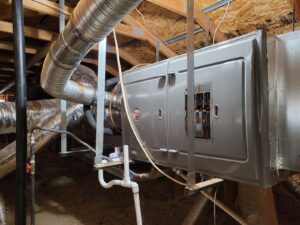
Your furnace and HVAC system consist of a ton of different parts that all work together to keep your home warm. When your furnace isn’t doing its job, there could be one of many causes. You can do basic at-home fixes such as replacing filters, adjusting the thermostat, and checking your furnace’s fuel source. Any other repairs need to be left to the professionals.

Semper Fi Heating & Cooling offers furnace repair services to get your home warm in time for winter. Our team will work with you to get to the root of the issue and get your furnace back up and running in no time. We also offer maintenance services to help prevent these issues from happening in the first place. Our HVAC company proudly serve our local communities across Phoenix and Las Vegas areas.

hands adjusting a smart thermostat

The Benefits of Using a Smart Thermostat

When the seasons begin to change, you may find yourself having to repeatedly adjust your thermostat to keep your home comfortable. Setting your thermostat to different temperatures throughout the day can reduce your energy bills each month and help you save money. However, it can get tedious to manually change the temperature with a traditional thermostat. 

Luckily, as technology continues to advance, we’re seeing the HVAC industry growing with it. Smart thermostats allow you to set your temperature for different times of day and program a specific schedule—but that’s not all they offer.

If you want to learn more about this new HVAC technology, you’ve come to the right place. Semper Fi Heating & Cooling is here to guide you on how smart thermostats work and the top 10 benefits of using one in your home.  

How Smart Thermostats Work

Smart thermostats use sensors to monitor the temperature in your home and trigger the heating or air conditioning to maintain your set temperature. You can also program your smart thermostat to maintain different temperatures at different times of day, and the thermostat will learn your routine and make adjustments on its own. 

Most smart thermostats connect to your home’s WiFi and allow you to adjust the temperature from an app on your phone. With this convenient feature, you can turn on the air conditioner on your way home from work so your home is nice and cool when you return.

10 Reasons to Upgrade to a Smart Thermostat in Your Home

What sets a smart thermostat apart from a traditional one? Upgrading your thermostat is an investment, and you want to make sure that investment is worth it. We’re here to provide the information you need to make an informed decision. Here are 10 reasons you should use a smart thermostat in your home and upgrade today.

1. Reduce Your Energy Costs

With the cost of everything on the rise, you want to save money where you can. Smart thermostats use machine learning to learn your routine and make adjustments to your thermostat setting throughout the day. It’ll look at the temperature outside, your normal temperature settings, and how long it takes to heat or cool your home. With that information, it’ll adjust the thermostat as needed.

Over time, this clever technology can reduce your annual energy costs by up to 8%, which quickly adds up. 

2. Thermostat Adjustments Tailored to Your Schedule

Whether you work a 9 to 5 job or have a more flexible schedule, you can program your smart thermostat to match your schedule. During the summer, you can program your thermostat to keep your home a little warmer while you’re at work and then have the air conditioning kick in when you get home. That way, you always come home to a cool and relaxing environment.

A smart thermostat can also use movement sensors to determine your daily activity patterns and adjust your thermostat temperature accordingly. You don’t have to lift a finger to keep your home comfortable.

3. Improve Indoor Air Quality

Your HVAC system can improve your indoor air quality as it circulates air. Filters in your system catch dust, pollen, and other debris before it travels throughout your home. A smart thermostat can send you alerts to change your filters when they get too full, helping to keep your indoor air clean and dust-free.

A smart thermostat also has humidity sensors that read the humidity levels in your home. It makes adjustments on its own to help prevent mold growth or excessive dryness in your home.

4. Increase Your HVAC System’s Lifespan

Your HVAC system is a significant investment of your time and money, and you want that investment to last as long as possible. A smart thermostat can make minor adjustments to your settings that lessen the wear and tear on your unit, helping it to last longer. The less your system has to work to keep your home comfortable, the longer its lifespan will be. 

As mentioned earlier, smart thermostats also send you alerts for routine maintenance services such as filter changes. These minor maintenance practices make sure your system is working properly and can catch potential issues before they become more serious. 

5. Balance Comfort and Energy Savings

Saving money on your energy bills doesn’t mean you have to bundle up in the winter while you watch television on the couch. A smart thermostat allows you to customize your temperature settings for maximum energy savings without having to sacrifice your comfort. The thermostat will learn your routine and adjust the temperature to your liking while you’re home.

When you’re at work or away from home, your smart thermostat will adjust the temperature so your HVAC system doesn’t run as often. When you come home, the thermostat will automatically shift the temperature to your personal preference so you stay nice and comfortable.

6. Get Updates & Alerts

A smart thermostat is not only convenient, but it’s also a helpful tool. We mentioned earlier that your smart thermostat can send you alerts for routine maintenance services such as filter replacements, but that’s not all it can do. You can get alerts straight to your phone about:

  • Sudden Power Outages
  • Your Energy Use Habits
  • System Failures
  • And more!

7. Improve Your Home’s Resale Value

If you’re looking to sell your home, you may be looking into ways you can increase its value. A smart thermostat is an affordable investment that will make your home stand out on the market. Potential buyers will love the convenience and energy efficiency of a smart thermostat, which may make them more interested in your home. 

8. Manage Your Settings on the Go

Smart thermostats connect to your home’s WiFi, so you can access your settings from the app on your phone or laptop. This means you can change the temperature in your home from anywhere. If you’re at work during the winter and want your home to be toasty when you get home, you can change the settings from your office before you start your commute home. 

Whether you forgot to adjust the temperature before leaving for vacation or the weather takes an unexpected turn, you can just open the app and adjust your thermostat accordingly. This will save you money in the long run and prevent a massive energy bill when you get back from the beach.

9. Reduce Your Carbon Footprint

A smart thermostat is a great tool to help protect our planet! Since you use less energy, your home produces fewer emissions that could harm the environment. Not only do you save money, but you also save the environment. It’s a win-win!

10. Peace of Mind

No one wants to spend their time worrying about their HVAC system and whether their thermostat is working properly. As your thermostat gets older, the sensors can begin to fail, leading to increased energy use and an uncomfortable home. If your thermostat is getting older and starting to lose efficiency, it may be time for an upgrade.

With a smart thermostat, you get the peace of mind of a reliable system that will last for years. Many brands come with a warranty that ensures your new thermostat is protected in the event something happens.

Make the Upgrade to a Smart Thermostat Today

Girl,helping,mother,to,adjust,,lower,heating,temperature,on,thermostat.

A smart thermostat makes adjusting the thermostat a breeze. You save money on your monthly energy bills without having to compromise your comfort. As technology continues to improve, the convenience of a smart thermostat pays for itself. 

Ready to make the switch to a smart thermostat? Semper Fi Heating & Cooling will help you install your new smart thermostat and make sure it’s ready to go. If you already have a smart thermostat, we also offer repair services to keep your system running smoothly. Contact us today if you have questions or want to schedule an appointment with one of our HVAC experts.

Young woman sitting at home by the fireplace with a hot tea or coffee mug and warming her hands, she is wearing white woollen sweater. Cold houses in Europe concept during energy and gas crisis.

Winter HVAC Checklist

As the Valley of the Sun transitions into its mild winter season, Phoenix homeowners have a golden opportunity to optimize their home’s comfort and energy efficiency. While our winters might not mirror the harsh cold of northern states, HVAC maintenance is equally crucial for keeping your home comfortable and your energy bills in check.

At Semper Fi Heating & Cooling, we understand that Arizona winters present unique challenges. Even though daytime temperatures hover pleasantly in the 60s and 70s, nights can dip surprisingly low and put unexpected stress on your heating system.

Our comprehensive winter HVAC checklist is designed to help local homeowners prepare their systems for these temperature fluctuations while maximizing home energy efficiency. In this guide, we’ll walk you through essential winter HVAC maintenance steps tailored specifically to Arizona’s climate.

You’ll learn how to:

  • Prepare your heating system for those occasional chilly nights.
  • Identify potential efficiency improvements.
  • Prevent unexpected breakdowns during winter’s cooler periods.
  • Reduce your energy consumption and lower utility costs.

How Cooler Weather Affects Your HVAC System

The transition from Phoenix’s intense summer heat to winter’s milder temperatures is more than a welcome relief for homeowners—it’s a critical moment for HVAC prep. As temperatures drop, your heating components face a unique set of challenges that can impact overall system performance and longevity.

During colder months, your HVAC system transitions from constant cooling to intermittent heating cycles, which creates distinct stress points. Components that have been dormant during summer must now spring into action, potentially exposing maintenance issues that went unnoticed for the last 6 months. Seals can become brittle, lubrication may have dried out, and minor wear can gradually progress into significant problems if not proactively addressed.

Phoenix’s winter temperature swings—where daytime temperatures might reach 70°F and nighttime temperatures can dip into the 40s—put additional strain on heating systems. These dramatic transitions require your HVAC to cycle on and off more frequently than it would during more stable seasons. This increased stress can accelerate component wear and potentially increase energy consumption, especially in situations where your system is already operating below peak efficiency.

Dust and debris accumulated during the dry summer months can also compromise your HVAC system’s performance. As you transition from cooling to heating mode, these particles obstruct airflow, reduce heating efficiency, and potentially trigger allergies or other respiratory issues. Comprehensive winter HVAC maintenance ensures these potential challenges are identified and resolved before they require complex and costly repairs.

5 Tips for Preparing Your HVAC System This Winter

Winter HVAC prep isn’t complete without the following steps. Consider this your furnace maintenance guide as you prepare your home for the changing seasons and the challenges that come with it.

Clean or Replace Your Air Filter

The air filter is your home’s first line of defense against airborne contaminants that weaken heating and cooling performance. As dust, pollen, and debris accumulate, your system must work harder to maintain proper airflow, which can lead to increased energy consumption and mechanical strain. Regular filter cleaning and maintenance—typically every two to three months—ensures:

  • Optimal system efficiency
  • Reduced energy costs
  • The prevention of unnecessary wear on your heating equipment
  • Improved indoor air quality

Cover Your HVAC Unit

Phoenix’s winters may be mild compared to other regions of the country, but protecting your outdoor condenser unit is critical for long-term HVAC health and performance. Clear a five-foot perimeter around the unit and cover it with a breathable, protective sheet or tarp to prevent debris accumulation, avoid potential water damage, and minimize exposure to harsh environmental elements. This simple yet effective protective measure can extend your HVAC system’s lifespan by reducing exposure to corrosion and damage during the cooler months.

Calibrate Your Thermostat

Winter in the Phoenix metro area requires a precise balance between comfort and energy efficiency, making thermostat calibration a critical step in furnace maintenance. Modern smart thermostats offer programmable settings that automatically adjust temperatures based on your daily schedule, potentially reducing annual energy consumption by up to 10-15%. By fine-tuning your thermostat’s settings or upgrading to a smart thermostat, you’ll ensure consistent home comfort, prevent unnecessary system strain, and reduce overall heating costs.

Check Drain Lines & Clean Coils

Your HVAC system’s condensate drain lines and heat exchange coils are vulnerable to debris buildup. When this happens, it can significantly impair performance and potentially lead to costly repairs. Accumulated dust, dirt, and microbial growth obstruct drainage, reduce heat transfer efficiency, and create health hazards through compromised indoor air quality. Professionally cleaning these components ensures optimal system performance, prevents water damage, and maintains the hygienic operation of your heating system.

Test Your Furnace Ahead of the Cold Weather

Proactively testing your furnace before the winter season can help identify potential issues before they unexpectedly cause problems during seasonally cold nights. A comprehensive test run allows technicians to detect mechanical inefficiencies, clean accumulated dust from air ducts, and ultimately ensure your system is prepared for consistent heating performance. This approach provides peace of mind by preventing unexpected breakdowns and expensive emergency repairs during the year’s most critical heating periods.

A Prepared Furnace is the Key to a Cozy Winter

At Semper Fi Heating & Cooling, we take pride in being resources for the communities we serve. We’re committed to providing home comfort solutions that go beyond the scheduled job. While we hope you found this guide educational, at the end of the day, furnace maintenance is a job for trained HVAC professionals. Working around gas and electricity can be extremely dangerous—but our specialized 29-point furnace tune-up provides proactive furnace care for complete safety and comfort during the winter.

We also recognize that winter HVAC maintenance is more than a routine checklist—it’s about keeping your home a personal sanctuary during Arizona’s cooler months when we often spend more time inside. As a veteran-owned and – operated business, our team of expert technicians in Goodyear, AZ, and surrounding areas brings military-grade precision to every service call, diagnosing and repairing potential issues before they get the chance to compromise your home’s heating system.

By choosing Semper Fi Heating & Cooling, you’re not just getting a maintenance service; you’re investing in peace of mind and long-term HVAC reliability that will keep your home comfortable through every winter night.

Did you find this Winter HVAC Checklist helpful? Let us know by sharing your comments or questions below!

Mesa, AZ Homeowner adjusts thermostat to save money on heating bills during winter

How to Save On Your Heating Bills This Winter

Winter in the desert might sound mild, but Arizona residents know better. While daytime temperatures may hover in the 60s, desert nights can dip below freezing. When temperatures drop, your heating bill rises to keep your family warm.

The good news? Cutting down on your heating costs doesn’t have to mean sacrificing comfort. By making a few simple adjustments and adopting energy-saving habits, you can lower your energy use and save money this winter. At Semper Fi Heating & Cooling, we’re here to help with 7 tips on how to lower your energy consumption this winter and save money.

Dress Warm & Turn Down the Thermostat

The first thing you can try is turning down your thermostat. You don’t need to drop it into the 40s and freeze yourself and your family—even dropping a few degrees below your normal can save you some money. You can safely drop it as low as 64 degrees without causing harm to your family or pets.

The more you bundle up, the lower you can drop your thermostat. You’ll need less heat if you’re wearing a hoodie and sweatpants than if you’re wearing a tank top and shorts in the house. However, the idea is to find a temperature that still keeps your family safe and comfortable, so don’t feel like you have to buy a winter coat to sit in your home. Get snuggly and save yourself some money.

According to the US Department of Energy (DOE), you could save as much as 10% on your energy bill a year just by lowering your thermostat by a few degrees during the day. In the winter, you can lower your standard thermostat setting by 7 to 10 degrees for 8 hours during the day when nobody is home. In areas with milder winters, such as Arizona, this minor decrease can lower your heating bill and save you money in the long run.

Seal Leaks and Improve Insulation

You want your home to hold in all the warm air from your HVAC system and keep out the cold from the outside. Proper insulation in your attic and ducts makes sure no cold air creeps in and no warm air leaks out. You can schedule a home inspection to take a look at your attic and ducts and check for any damage or leaks. They can also seal any leaks they find so you save energy and money this winter season.

You can also check your windows and doors for any gaps or leaks. Pay attention to the seal around your windows and exterior doors for any cracks or gaps in the weather stripping or caulking. If you notice a draft coming from your window and a gap in the seal, you can seal them on your own with a caulk gun or additional weather stripping from the home improvement store.

If you notice a draft coming from the bottom of your door, you can get a door draft stopper that fits on the bottom of the door to prevent cold air from entering your home.

Take Advantage of Sunlight

While the sun may not be out for as long during the winter months, this doesn’t mean it’s gone for good. The sun still provides heat that can help keep your family warm without running the HVAC system as much. If you have blinds or curtains on your windows, be sure to open them during the day so the sun’s rays can filter in and help heat your home. In the winter, the sun is your friend, so be sure to take advantage of the free warmth it has to offer.

When nighttime rolls around, be sure to close your blinds to add an extra layer of insulation around your windows. It may not seem like much, but having curtains or blinds on your window can help block out the cold and keep your family warm.

Reverse the Direction of Your Ceiling Fan

Did you know your ceiling fan spins both clockwise and counterclockwise? Your fan’s standard setting should have it pushing air down into the room, making it feel cooler and creating a nice breeze.

However, switching the direction of your fan can help your home feel warmer. Hot air naturally rises, meaning your heat wants to drift towards the ceiling. If you switch the fan direction, it’ll pull air up towards the ceiling and push it towards the edges of the room and back down to the floor. Your ceiling fan will help circulate the warm air in your home and keep you comfortable without having to run your furnace more.

If you’re not sure what direction your fan is spinning, hold your hand a couple of inches away from it and see if you feel any air movement. If you feel air being pushed down into the room, then you can reverse the direction so it pulls air up. Each model of ceiling fan is slightly different, but there should be a small switch on the side of the fan that changes its spin direction. Be sure to turn your fan off before you try to flip the switch.

Upgrade to a Smart Thermostat

With a busy schedule and everything else you have to manage, you might feel like you can’t keep up with having to manually change your thermostat setting multiple times a day. Luckily, there’s a way around this. Smart thermostats allow you to customize your thermostat settings depending on the weather or time of day.

With a smart thermostat, you can set your home to be at different temperatures at different times of day. For example, you could program it to be at 72 degrees from 8am to 5pm and then bump up to 76 degrees from 5pm to 8am the next day.

If you’re interested in upgrading to a smart thermostat, you can work with your local HVAC company in Goodyear, Phoenix, and nearby areas to help you get it installed and set up properly in your home. Some models require an internet connection to your home’s HVAC system, and a professional company can help make sure everything is good to go before winter officially hits.

Change Your Air Filter

The air filters in your HVAC system play a crucial role in the overall efficiency of your system. Depending on your unit and the size of your filters, they should be replaced every few months to keep your system running smoothly and your home clean. New air filters also improve airflow and make it so your system doesn’t have to work as hard to heat your home.

You can also upgrade your air filters to HEPA filters. They are slightly more expensive than traditional air filters, but they catch more airborne particles and keep your home cleaner. They also keep your HVAC system running more efficiently, saving you money over time.

Regular Furnace Maintenance

A great way to be proactive about your energy savings is with regular furnace maintenance appointments. These appointments include an inspection, cleaning, and servicing of your heating system to make sure it’s running efficiently and ready for the cold winter. Many HVAC companies recommend maintenance appointments at least twice a year, once before winter and once again before summer.

If you need local furnace maintenance services, our team at Semper Fi Heating & Cooling is ready to help. Our HVAC contractor in Las Vegas, Mesa and Tucson will make sure your furnace is ready to go before winter hits, so your family stays nice and warm. Contact us today to schedule an appointment for not only furnace, but also for other heating services such as water heater services in Mesa, AZ!