20% Discount for Veterans, First Responders & Their Families

Phone Icon Y Arizona: (480) 616-3636Phone Icon Y Nevada: (702) 818-0284

Author: Hector Waldo

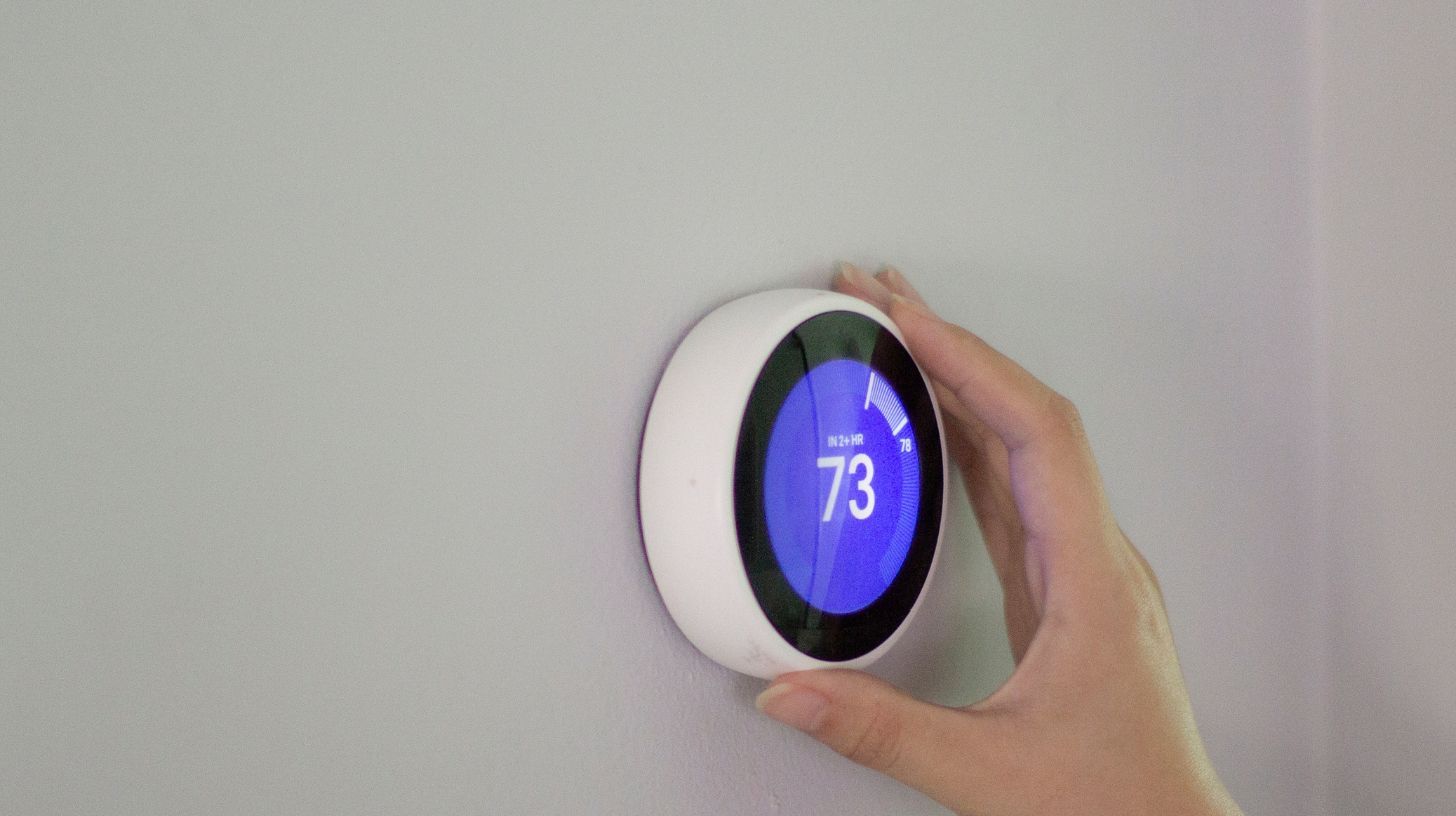
What is the lifespan of a digital thermostat?

TLDR: Key factors affecting thermostat lifespan include usage frequency, environmental conditions, and maintenance. On average, digital thermostats last 10-15 years, with wireless models having shorter lifespans. Signs of replacement include unresponsiveness and temperature fluctuations. Tips for extending lifespan include keeping the thermostat clean, maintaining a stable temperature environment, and choosing a high-quality device. Proper care and maintenance can help maximize the lifespan of your digital thermostat.


Embarking on a journey through the realm of digital thermostats, this article delves into four essential aspects: Factors That Impact the Lifespan of Digital Thermostats, The Average Lifespan of Digital Thermostats, Key Indications Your Digital Thermostat Requires Replacement, and Proven Techniques to Extend the Longevity of Your Digital Thermostat. By delving into these areas, you’ll gain valuable insights into assessing the condition of your digital thermostat, knowing when it’s time for a replacement, and adopting strategies to maximize its operational lifespan.

Factors Affecting Digital Thermostat Lifespan

The lifespan of a digital thermostat depends on a variety of factors, such as usage frequency, the environment it’s placed in, and how it’s maintained. Usage frequency plays an important role in the lifespan of a digital thermostat, as using it multiple times a day can cause the internal seals and components to wear down. Additionally, in environments with extreme temperatures, a digital thermostat is more likely to experience problems, since the temperature fluctuations could cause issues with the internal components. Ultimately, regular maintenance of the digital thermostat is extremely important in order to extend the lifespan, as the buildup of dust and debris can negatively affect the system’s components. Cleaning the thermostat often will help to reduce these problems. Furthermore, ensuring that all wires are secured and not exposed can help to prevent any issues that may arise from overstimulation or tampering. In order to maximize the lifespan of a digital thermostat, it’s important to keep the environment it’s placed in as stable and dust-free as possible, as well as to remember to properly maintain it on a regular basis.

Average Lifespan of Digital Thermostats

Digital thermostats are a popular way to control the temperature of a building, as they are reliable, accurate and energy efficient. The average lifespan of most digital thermostats varies depending on the type of product and the environment in which it is being used, but generally these thermostats can be expected to last between 10 and 15 years.

When it comes to wireless thermostats, the average lifespan is typically shorter as the materials used are not designed to be as robust as those in wired models, leading to a higher risk of failure and shorter expected lifespan. Additionally, wireless thermostats often don’t have back-up batteries meaning they are reliant upon the existing electrical system in the building, and if this isn’t maintained they will experience a shorter lifespan as well.

Once digital thermostats reach the end of their lifespan, it is important to replace them with a newer model to ensure they continue to be as efficient as possible. If the thermostat is no longer working properly, the temperature of the building is likely to be inconsistent and uncomfortable, plus the energy used to heat it is likely to increase. Additionally, not replacing the thermostat means you risk missing out on features that can save energy, leading to higher bills in the long run.

Overall, digital thermostats offer reliable temperature control and efficient energy use in any home or business, and with proper maintenance, they should last between 10 and 15 years. Replacing the thermostat once it reaches the end of its life will ensure the temperature is comfortable and consistent while also helping to save energy.

Signs Your Digital Thermostat Needs Replacement

Digital thermostats provide a convenient way to control the temperature in your home. However, if you find that the temperature in your home is not responding or not correctly reflecting what you have set, then it might be time for a thermostat replacement. Here are some signs that indicate your digital thermostat needs to be replaced:

1. Your thermostat does not respond when you adjust the settings. If your digital thermostat isn’t responding to the adjustments you make, then there may be a problem with the wiring or components in the device. It’s best to have a professional diagnose the issue and recommend the right solution.

2. The temperature in your home fluctuates. If the temperature in your home is not staying constant, then there could be an issue with the thermostat itself. Poor insulation or an issue with the HVAC system could also be causing the temperature to fluctuate.

3. Your thermostat is outdated. If you’ve had your current thermostat for a few years or more, then it’s likely out-of-date and no longer efficient. Newer models of thermostats are able to regulate temperature more effectively, so upgrading your device can save you energy in the long run.

4. Your current thermostat does not have modern features. As technology continues to evolve, newer thermostats come equipped with features such as voice activation and Wi-Fi connectivity. If you’re looking to utilize these features, then you should consider updating to a new digital thermostat.

Digital thermostats are a great way to stay comfortable in your home. If you notice any of the above signs, then it’s probably time to consider replacing your device. Contact a professional for service or installation and make sure to explore all of the modern thermostat options available.

Tips for Extending the Lifespan of Your Digital Thermostat

When it comes to owning and operating a digital thermostat, proper maintenance can make all the difference in preserving your device’s longevity. Being mindful of how you treat your thermostat and taking the proper steps to keep it in great condition can help you avoid costly repair bills and replacements down the line. Below are a few tips to help you extend the lifespan of your digital thermostat:

First, always be sure to keep dust and other airborne particles away from the thermostat; these particles can easily penetrate inside the device and potentially cause great damage over time. To prevent dust and dirt from getting into your thermostat, regularly wipe and clean it with a dry, clean cloth.

It is also important to avoid extreme temperatures on the device that can damage the thermostat over time. Extreme temperatures, whether hot or cold, can cause the thermostat’s logic board to become corrupted, leading to numerous technical problems, so it is crucial to keep the thermostat environment between a comfortable range.

Finally, when it comes time to replace your thermostat, always be sure to opt for a top-of-the-line device. Cheaper devices tend to have more technical problems compared to their higher-end counterparts, and will likely need to be replaced much sooner. However, be sure to factor in the quality of the product, as well as its price, to ensure the best value for your money.

In short, taking proper care of your digital thermostat is paramount to its longevity. Keeping the thermostat clean, maintaining a safe temperature range, and choosing a high-quality device in the first place are all effective methods to help you extend the lifespan of your digital thermostat.

Final THoughts

In conclusion, it can be noted that digital thermostats have a range of factors that can affect their lifespan, with the average digital thermostat having an expected lifespan of 7-10 years. Additionally, there are signs that can indicate a digital thermostat needs replacement, such as continuously inaccurate temperature readings, and certain tips can be implemented to help extend the lifespan of a digital thermostat, such as regularly cleaning and replacing batteries when necessary.

Frequently Asked Questions

What is a digital thermostat and how does it differ from traditional thermostats?

A digital thermostat is a digital device that is used to control the temperature of a room or space. It is similar to a traditional thermostat in that it senses and responds to temperature changes, however it differs by having the ability to be programmed to operate on a preset schedule. Digital thermostats allow users to automatically adjust the temperature in a room according to their desired schedule. This helps conserve energy and can also be used to lower monthly utility bills. Traditional thermostats can track temperature changes but can typically only turn the heating or cooling system on or off, making them less efficient than digital thermostats.

What is the typical lifespan of a digital thermostat?

The typical lifespan of a digital thermostat is around 5 to 10 years. Depending on the quality and usage, a digital thermostat can last for up to 15 years or longer.

Are there factors that can affect the lifespan of a digital thermostat?

Yes, there are several factors that can affect the lifespan of a digital thermostat. These factors can include things such as how the thermostat is installed, the voltage, and how often the thermostat is used. Additionally, the age of the thermostat and the amount of warmth/cold can also affect the lifespan of a digital thermostat.

What are the common signs that indicate a digital thermostat might need replacement?

Common signs that indicate a digital thermostat might need replacement include the thermostat not accurately reflecting a change in temperature, even after the cooling or heating system has been running (such as a constantly cool room despite continued operation of a heating system), the thermostat is cycling too frequently, the thermostat is unresponsive to user inputs, or the LCD display is blank or flickering.

Optimizing Energy Efficiency for Fall in Phoenix

As the temperatures begin to lower in Phoenix, having an HVAC system that is energy efficient is still as important as ever.  While your cooling system has a break from scorching temperatures in the desert, now is the perfect time to rethink our energy usage, make smart adjustments for the cooler months ahead, and ensure your system is working at peak efficiency.

In this blog, we’ll dive into a range of strategies tailored specifically for Phoenix residents and local HVAC experts you can count on for routine maintenance. From understanding the city’s fall weather patterns to implementing helpful efficiency tricks, we’ve got you covered. Whether you’re looking to seal up your home to prevent heat loss or debating upgrading your system, this guide will help provide you with actionable tips and insightful advice to make your home more energy-efficient this fall.

Understanding Phoenix’s Unique Fall Climate

Understanding Phoenix’s fall climate is crucial for optimizing energy efficiency in the region. Unlike many other areas where fall signals a significant drop in temperatures, Phoenix experiences a more gradual transition from its intense summer heat. During the early fall months, daytime temperatures can still be quite warm, often reaching into the high 80s or 90s Fahrenheit, but the nights begin to cool down considerably.

This temperature variation is a key characteristic of the desert climate, where the lack of humidity leads to significant temperature drops after sunset. However, turning your cooling system on during the day and turning your heating system on at night, day after day, can cause strain on your HVAC system. Understanding these patterns helps in planning for energy usage that adapts to these unique temperature fluctuations and dry conditions.

For Phoenix residents, this means adapting energy efficiency strategies to cater to warm days and cooler nights. During the day, energy efforts might focus more on keeping the house cool without over-reliance on air conditioning, which can be achieved through proper insulation, use of shades or blinds, and perhaps even the strategic planting of trees for shade.

As the evening approaches and temperatures drop, the challenge shifts to maintaining a comfortable indoor temperature without excessive heating. This unique pattern requires a dynamic approach to energy management, emphasizing the importance of adaptable home systems like programmable thermostats. By understanding and anticipating these climatic nuances, residents can optimize their energy use, ensuring comfort while minimizing costs and environmental impact during the fall season.

The Importance Of Insulation, Sealing, And Weatherproofing

In Phoenix, where temperatures can swing dramatically between day and night, especially in the fall, the importance of insulation, sealing, and weatherproofing cannot be overstated in achieving energy efficiency. Good insulation plays a critical role in maintaining a consistent indoor temperature, acting as a barrier to heat loss in the cooler evenings and heat gain during the warmer daytime. This is vital in a desert climate where even fall temperatures can be warmer. Insulating attics, walls, and even floors ensures that the energy used to cool or heat your home is not wasted.

Similarly, sealing gaps around doors, windows, and ductwork prevents air leaks, which can be a major source of energy loss. These leaks force heating and cooling systems to work harder, which leads to increased energy consumption and utility bills. Sealing these leaks is a cost-effective way to enhance energy efficiency and improve overall comfort in your home.

Weatherproofing is another key aspect of preparing a Phoenix home for energy-efficient fall living. This includes tasks such as installing weather stripping, using caulk to seal cracks and openings, and ensuring that roofing and siding are in good condition to withstand the unique environmental conditions. Weatherproofing not only helps in maintaining a stable indoor climate but also protects the home from potential damages caused by the occasional rain and wind that can occur in the fall.

Together, insulation, sealing, and weatherproofing create a comprehensive approach to energy efficiency. They not only contribute to a significant reduction in energy costs but also play a crucial role in reducing environmental impact. By taking these steps, homeowners in Phoenix can enjoy a more comfortable living space, optimized for the unique challenges of the region’s fall climate.

Key Tips to Optimize HVAC Efficiency This Season

As Phoenix transitions into fall, it’s important to focus on optimizing the efficiency of your HVAC system. With temperatures varying, your HVAC system plays a crucial role in maintaining a comfortable home environment while keeping energy costs in check. Here are some key tips to ensure your HVAC system operates at peak efficiency:

  • Regular Maintenance: Ensure your HVAC system is serviced by a professional at least once a year. Fall is a great time for this, as it prepares your system for the cooler months ahead. Regular maintenance includes checking for leaks, examining and replacing filters, and ensuring all components are in good working order.
  • Replace Air Filters Regularly: Dirty air filters restrict airflow and reduce overall system efficiency. Replace them at least every 3 months, or more frequently if you have pets or live in a particularly dusty area.
  • Use a Programmable Thermostat: A programmable thermostat allows you to set temperature schedules, reducing the burden on your HVAC system when you’re not home or during cooler nights. This can lead to significant energy savings.
  • Seal Ductwork: Leaky ducts can lead to a significant loss of heated or cooled air. Have your ductwork inspected and properly sealed and insulated to improve efficiency.
  • Adjust Vents Appropriately: Make sure your vents are open and not blocked by furniture or curtains. Adjusting them to direct air where it’s most needed can improve room comfort and efficiency.
  • Utilize Ceiling Fans: Ceiling fans can be used in conjunction with your HVAC system when temperatures are mild to better circulate air.
  • Consider Upgrading to a High-Efficiency System: If your HVAC system is older, it may be worth investing in a newer, more energy-efficient model. This can lead to long-term savings on your energy bills.
  • Insulate and Weatherproof  Your Home: Proper insulation and weatherproofing can reduce the strain on your HVAC system by keeping warm air in during cooler temperatures and vice versa.
  • Be Mindful of Thermostat Settings: Keeping the thermostat at a consistent, comfortable temperature, rather than constantly adjusting it, can help reduce energy usage.

By following these tips, you can significantly enhance the efficiency of your HVAC system this fall, leading to a comfortable home environment and reduced energy costs.

Common HVAC Mistakes to Avoid in the Fall

As residents of Phoenix prepare their homes for the fall season, it’s important to be aware of common HVAC mistakes that can lead to inefficiency and increased energy costs. One major mistake is neglecting regular maintenance of the HVAC system.

With the gradual shift in temperature during the Phoenix fall, HVAC systems switch from primarily cooling to occasional heating. This transition period is critical for performing maintenance checks, as issues like clogged filters, worn components, or system inefficiencies can become more pronounced. Skipping these checks can lead to a decline in system performance and even costly repairs down the line.

Additionally, many homeowners make the error of overlooking the sealing and insulation of their ductwork. Leaky or poorly insulated ducts can result in significant energy loss, with heated or cooled air escaping before it even reaches the living spaces, forcing the system to work harder and driving up energy bills.

Another common mistake in Phoenix is over-reliance on the HVAC system for temperature regulation, without considering other energy-efficient practices. For instance, ignoring the role of proper home insulation and weatherproofing can place unnecessary strain on the HVAC system. Insufficient insulation in walls and attics, as well as gaps around windows and doors, can lead to heat loss during cooler nights and heat gain during warmer days, causing the HVAC system to overcompensate.

Moreover, setting the thermostat at an unnecessarily low temperature in anticipation of cooler weather can also lead to excessive energy consumption. The key is to find a comfortable and consistent temperature setting that avoids the extremes. By avoiding these common mistakes, Phoenix homeowners can ensure their HVAC systems operate efficiently, keeping their homes comfortable throughout the fall while also managing energy consumption effectively.

Benefits Of An Energy-Efficient HVAC System in Phoenix

In Phoenix, where temperatures can soar even in the fall, having an energy-efficient HVAC system is not just a luxury but a necessity. Here are 7 benefits of such a system extend beyond just cost savings, impacting both the environment and the overall comfort of your home.

1. Reduced Energy Bills: The most immediate and tangible benefit of an energy-efficient HVAC system is the reduction in energy bills. These systems are designed to use less energy while maintaining optimal temperature and humidity levels in your home. This efficiency translates into lower utility costs, which can be significant in a climate like Phoenix’s, where HVAC systems are used extensively throughout the year.

2. Increased Comfort: Energy-efficient HVAC systems provide a more consistent and comfortable indoor environment. They are better at regulating temperature and managing humidity levels, ensuring that every room in your home maintains a steady, comfortable climate. This is particularly important in Phoenix, where the dry, desert air can make temperature regulation challenging.

3. Environmental Impact: By consuming less energy, these systems reduce your carbon footprint. Energy-efficient HVAC systems often use eco-friendly refrigerants and have lower greenhouse gas emissions. This is crucial in today’s world, where environmental consciousness is not just a trend but a responsibility.

4. Longer Lifespan: Typically, energy-efficient HVAC systems are designed with the latest technology and higher quality materials, contributing to a longer lifespan than traditional systems. This means fewer replacements and repairs over time, which is both cost-effective and convenient for homeowners.

5. Increased Property Value: Homes equipped with energy-efficient systems are often more appealing to buyers. This means that investing in such a system can increase the value of your property, a significant consideration in the dynamic Phoenix real estate market.

6. Rebates and Incentives: Many utility companies and government programs offer rebates and incentives for installing energy-efficient HVAC systems. These incentives can help offset the initial cost of installation, making it a financially viable option for many homeowners.

7. Healthier Indoor Air Quality: Modern, energy-efficient HVAC systems often come with advanced filtration features that improve indoor air quality. This is particularly beneficial in a dusty, desert environment like Phoenix, as it can help reduce allergens and other air pollutants inside your home.

In summary, the benefits of an energy-efficient HVAC system in Phoenix are multifaceted, providing not just economic advantages but also enhancing comfort, environmental sustainability, and overall quality of life. As energy costs continue to rise and environmental concerns become more pressing, the shift towards energy-efficient systems represents a smart, forward-thinking choice for Phoenix residents.

Professional HVAC Services Locally In Phoenix

In conclusion, optimizing energy efficiency in your Phoenix home this fall is not only a wise financial decision but also a step towards a more comfortable home. By understanding the unique fall climate of Phoenix and implementing strategies like proper insulation, sealing, weatherproofing, and efficient HVAC usage, you can significantly reduce energy consumption while enhancing the comfort of your home. Avoiding common HVAC mistakes and embracing the benefits of an energy-efficient system are key to navigating the seasonal transition effectively.

Remember, the journey to energy efficiency is ongoing and involves regular maintenance, informed choices, and upgrades to the latest technologies and practices. Regular maintenance on your cooling and heating system is an important part of keeping your cooling system in peak condition. For all of your HVAC maintenance, repairs, and installations, Semper Fi Heating & Cooling is your trusted partner in Phoenix and surrounding areas!

Frequently Asked Questions About HVAC Systems And Energy Efficiency

Why is optimizing HVAC energy efficiency important for Phoenix in the fall?

Optimizing HVAC energy efficiency in Phoenix during the fall is important due to the city’s unique climate, which features warm days and cooler nights. Efficient HVAC use helps in maintaining comfortable indoor temperatures amidst these fluctuations, while significantly reducing energy consumption and costs.

How does the fall climate in Phoenix differ from other regions?

The fall climate in Phoenix differs from other regions primarily due to its desert environment, which leads to unique weather patterns. Unlike the marked cooling experienced in many areas, Phoenix sees a more gradual transition from the extreme summer heat. Days remain relatively warm, often with temperatures in the high 80s or 90s Fahrenheit, while nights can cool down significantly, showing a notable diurnal temperature variation. This pattern, combined with minimal rainfall and persistent dry conditions, sets Phoenix’s fall climate apart from the more traditional autumnal weather of cooler days and chilly nights seen in many other regions.

Are there specific HVAC maintenance tasks recommended for the fall season in Phoenix?

Yes, there are specific HVAC maintenance tasks recommended for the fall season in Phoenix. These include having a professional service check to ensure the system is operating efficiently, replacing or cleaning air filters to improve air quality and system efficiency, inspecting and sealing ductwork to prevent energy loss, and testing the thermostat to ensure it’s working correctly. Additionally, it’s advisable to clear any debris from around outdoor units and check for any necessary repairs, as well as considering the insulation and weatherproofing of your home to support the HVAC system’s effectiveness. These tasks are crucial for maintaining optimal performance and energy efficiency of the HVAC system during the unique fall climate of Phoenix.

How can I measure the energy efficiency of my HVAC system?

To measure the energy efficiency of your HVAC system, you can look at the Seasonal Energy Efficiency Ratio (SEER) for cooling and the Annual Fuel Utilization Efficiency (AFUE) for heating. The SEER rating indicates how much cooling a system puts out for each unit of energy it consumes. The higher the SEER rating, the more efficient the system. Similarly, the higher the higher AFUE rating, the more efficient the system.

Are Digital Thermostats Better Than Analog?

Digital thermostats offer precise temperature control, energy efficiency, and automation features, making them ideal for modern homes. They provide consistent comfort, reduce energy costs, and offer greater convenience and control over home climate settings than analog thermostats. Digital thermostats are a wise choice for those seeking efficiency, precision, and automation in temperature regulation.

The evolution of thermostats has been remarkable, with advancements going from simple mechanical analog models to digital models that are programmable and come with automation options. In this article, we will discuss the advantages of digital thermostats for modern homes, the energy efficiency comparisons of analog vs. digital thermostats, and the pros of digital thermostats when it comes to programming and automation.

The Evolution of Thermostats: Analog vs. Digital

The evolution of thermostats has seen regular developments as technology advances, bringing us from an analog device to a digital device. A traditional analog thermostat has a lever, dial, or knob which is turned to select the desired temperature; on the other hand, digital thermostats operate a sensor which detects room temperature and feeds the information into a memory chip. This chip is programmed to match user preferences, and an LCD shows the current set temperature along with any other necessary information.

Digital thermostats offer more control than their analog counterparts as they offer a range of programmable features that help customize the temperature settings to one’s needs. These features also allow for more energy-efficient use of heating and cooling systems, as the user can determine what times it should be active and at what temperature. This, in turn, may result in lower energy bills as it is a more effective method of controlling the environment of the home.

The digitization of thermostats has also made the process of using them easier and more convenient. Instead of turning a dial to select a temperature, digital models often feature touch screens that allow precise selection of temperature settings and also additional features such as the ability to track energy usage. Digital thermostats have been designed specifically for automated use and thermostat-controlled HVAC systems. The user can program the device to regulate room temperature depending on the time of day and can also possess an automated safety feature that will shut the system off in case of emergency.

The presence of digital thermostats presents certain advantages over an analog device, which require attention be given to their installation and maintenance. Whereas dial thermostats must be calibrated regularly and can easily malfunction due to lack of maintenance, digital versions require less frequent adjustments and are far less likely to malfunction. Lastly, perhaps most importantly, digital thermostats allow for much greater control and precision over the temperature in your living space. Therefore, they offer greater levels of efficiency and comfort.

Advantages of Digital Thermostats for Modern Homes

Digital Thermostats are now being increasingly used in homes to better manage and maintain the desired temperature settings. These devices can provide several advantages over traditional thermostats, helping to improve the comfort of the home, reduce energy costs, and provide more control over the climate.

One of the primary benefits of digital thermostats is their ability to maintain the desired temperature in the home. Traditional thermostats can often struggle with accurate temperature control, which can make home environments uncomfortable due to being either too hot or too cold. Digital thermostats offer greater precision and, therefore, much more consistent temperatures.

In addition to improved temperature control, digital thermostats can also help to reduce energy costs. A basic digital model will be able to regulate the temperature while reducing the amount of energy used, which can be an effective way to save money on utility bills. More advanced models allow for greater control, such as setting temperature schedules for different days and times, so the user can be sure the temperature is only running when necessary.

Digital thermostats also offer the advantage of being easy to manage and adjust. As opposed to more traditional models, there is often no need for complex wiring or physical adjustment to the thermostat itself. This makes it quicker and easier to adjust the settings on the thermostat itself or even remotely with some more modern options.

Finally, digital thermostats often offer enhanced features such as tracking humidity levels. With this information, the user can further adjust the temperature to ensure maximum comfort even while reducing energy costs. Furthermore, some thermostats come with additional sensors that allow them to track other climate conditions.

Overall, digital thermostats can provide many advantages for modern homes – from improved temperature control to enhanced features – while still helping to reduce energy costs. That being said, due to their price and technology, digital thermostats are not suitable for all homes. Nevertheless, these devices can be a great addition to many homes, offering an efficient and often user-friendly way to regulate the temperature in the home.

Energy Efficiency Comparison: Analog vs. Digital Thermostats

Analog and digital thermostats are both effective at regulating and controlling the temperature of the home, but each has its benefits and drawbacks in terms of energy efficiency. It is important to consider your needs and lifestyle to determine which type of thermostat is best for your home.

Analog thermostats are simpler in terms of design and generally require less maintenance than their digital counterparts, making them easier to install and use on a day-to-day basis. Analog thermostats typically rely solely on manual settings, as opposed to digital thermostats, which offer users the ability to program their settings on a predetermined schedule. While they may be easier to install, analog thermostats are often considered to be less energy efficient than digital thermostats, as they may not be able to accurately detect temperature variations the way digital thermostats do, which may lead to unnecessarily large energy bills.

Digital thermostats are more sophisticated and generally offer more features than analog thermostats. Digital thermostats can be programmed to automatically adjust the temperature by the number of people in the home and certain pre-programmed settings. As a result, they are generally considered to be more energy efficient than analog thermostats. Digital thermostats are also generally easier to use since they typically offer more visual control for users to make necessary adjustments. Additionally, most digital thermostats offer an app-based setup as opposed to the traditional analog version, allowing more remote control and the ability to view energy consumption reports.

When making your choice between analog and digital thermostats, it is important to consider your needs and lifestyle. If you are looking for a modern, technology-filled home, then a digital thermostat may be the best option for your energy-efficient needs. However, if older technologies or more manual settings suit your needs better, then an analog thermostat may be the right choice for you. Either way, it is important to weigh the benefits of each type of thermostat before making your final selection.

Programming and Automation: Digital Thermostat’s Edge

Programming and automation in the home can make daily life more comfortable and efficient. Digital thermostats that can be programmed offer one of these advances, and they are quickly gaining in popularity. The main benefit of these thermostats is better temperature control for the home, namely an efficient managerial system to regulate and balance temperatures between rooms and create energy-efficient environments. Programmable digital thermostats are designed to improve the comfort of the home by minimizing changes in temperature from hour to hour, which can have a significant impact on energy use and improve both comfort and savings. Additionally, these thermostats can be set to turn on or off at specific times, as well as enable users to pre-program energy-efficient temperatures for specific periods in the future.

Digital thermostats can also provide a more accurate readout than analog meters, with their automated programming often helping to maintain pre-set temperatures for twelve or even twenty-four hour periods. This also allows the thermostat to play an active role in managing humidity and air conditioning levels in the home. Furthermore, building owners and homeowners alike can opt for smarter thermostats that come equipped with zoned temperature control systems. Zoned temperature control systems allow different temperature settings for different areas in the home, allowing rooms with higher traffic to be set at a lower temperature than those that are seldom used. This, in turn, encourages users to save energy by avoiding wasteful use of heat and air through unnecessary and ill-timed climate changes.

Modern digital thermostats often boast additional features, such as connecting to the internet or home automation network and using Wi-Fi signals to turn off or turn on the heating system when the user is away from home. This is either done manually or through a pre-programmed application, ensuring there is no consumption during times of absence. Consequently, these thermostats provide users greater control over comfort and consumption, making them a more effective way to manage thermostats than traditional analog systems. Furthermore, they often offer higher precision in temperature control than the manual thermostats of the past, ensuring greater accuracy and control.

The advantages of digital thermostats are undeniable, as they offer convenience, ease of use, improved temperature control, and money savings. As such, digital thermostats are proving to be a welcome addition to the home, offering automated climate control that can save users both money and comfort over the long run.

Why Digital Thermostats Are The Future of Home Climate Control

The evolution of thermostats from the traditional analog varieties to the modern digital models signifies the advancement of technology in helping to control home temperatures with greater efficiency. Digital thermostats have many advantages for modern homes due to their enhanced energy efficiency, precision, and programmer function options to automate temperature regulation. Overall, the digital thermostat is the obvious choice for a modern home, allowing homeowners to effectively control their home temperatures with precision control, ensure energy efficiency, and take advantage of automation options.

Frequently Asked Questions

What is the primary difference between digital and analog thermostats?

The primary difference between digital and analog thermostats is that digital thermostats are typically more accurate and precise than analog ones. Digital thermostats typically use inputs from a temperature sensor to directly control the temperature in a room, whereas analog thermostats rely on manually adjusted knobs or levers to adjust the temperature. Digital thermostats also typically have more features and can be controlled remotely or with a mobile device.

Are digital thermostats more accurate than analog thermostats?

Yes, digital thermostats are more accurate than analog thermostats. Digital thermostats use sensors to measure the actual temperature of a room instead of measuring the air pressure caused by changes in temperature. Digital thermostats can also read temperatures more accurately than analog thermostats.

Do digital thermostats save more energy compared to analog ones?

Yes, digital thermostats can save more energy compared to analog ones. Digital thermostats are designed to be more precise and consistent in temperature control, so they are better at maintaining a desired temperature than analog thermostats. As a result, digital thermostats will likely use less energy than analog ones to maintain a consistent temperature. Additionally, digital thermostats will often include energy-saving features, such as programmable settings, to further conserve energy.

Are digital thermostats more expensive to purchase and install?

The initial cost of purchasing and installing a digital thermostat may be more expensive than a traditional model but may be offset by savings in the long run in terms of energy consumption. Digital thermostats allow for better airflow management and can be programmed to meet individual heating and cooling needs, which can lead to greater energy efficiency.

Can I install a digital thermostat myself, or do I need professional help?

Yes, digital thermostats are generally easy to install yourself, especially when replacing an existing thermostat since the wiring is already in place. However, to ensure that the new thermostat is compatible with your system and that it is installed correctly, it is always best to have a qualified HVAC technician do the installation to ensure that it is done correctly.

Is Fall A Good Time To Upgrade Your AC Unit?

Upgrading one’s air conditioning system is a great way to ensure consistent and efficient performance throughout the summer months and can be beneficial if done in the fall. Here in Phoenix, we use our AC throughout the later fall months and ensuring your home’s HVAC is in good working condition is essential for all seasons!

Amidst the seasonal transition between summer and fall, there’s an often overlooked opportunity: replacing your AC unit. The question that emerges, however, is whether fall is indeed a strategic time to make such a move. Timing, as they say, is everything, especially when it comes to significant investments in your home’s HVAC system.

There are many important considerations one should take into account before upgrading their HVAC system in the fall and numerous factors to consider when choosing the best AC unit. It is important to evaluate your home or business’s needs, as well as researching your options to make the best decision for you.

Whether you’re driven by potential savings, the benefits of new energy efficient technology, or the simple desire to be prepared, we’ve got insights to guide your decision.

Benefits Of Upgrading Your AC System In The Fall

The decision to upgrade any significant household appliance or system often comes with a mixture of excitement and apprehension. But when it comes to your AC unit, the timing can play a pivotal role in the overall experience and benefits you reap. Let’s explore the advantages of taking the leap during fall!

Upgrading your AC system in the fall can potentially be a wise decision, as it allows for the added benefit of preparing for the upcoming considerably warm winter months here in Phoenix and prepare to beat the rush and be ready for the next blazing summer months. In the fall, the weather is more temperate here in Arizona, which makes it an ideal time for AC system maintenance and upgrades.

During summer and winter, HVAC professionals are swamped with calls—be it for emergency repairs during a heatwave or furnace breakdowns when temperatures dip below freezing. In contrast, fall offers a lull. This off-peak season means your local HVAC Expert is ready to help you install your new AC System!

The lack of pressing summer heat allows homeowners to breathe, research, and make decisions without feeling rushed or being stuck in above 100 degree weather with no AC and dependent on the first available unit. By upgrading your AC system in the fall, you can avoid unexpected repair costs in the summer months when issues related to an aging or faulty AC system can occur and AC technicians can be hard to find during the busy summer months. Additionally, an upgraded AC system can provide a greater level of energy efficiency and cost savings during the summer.

Even though the external temperatures may still be warm during fall, you can still have your AC system upgraded. With an upgraded system, you can get an improved filtration system that increases the quality of air in the home and provides more effective cooling. You can also get more energy efficiency and cost savings on cooling expenses as modern AC systems include advanced technologies.

Upgrading your AC system in fall can ultimately be a great decision. By doing so, you can prevent unexpected repair bills in the peak summer season, as well as increase your energy efficiency and cost savings for cooling your home. Plus, the lifespan of the system is prolonged and your air quality is improved in the process. It is also easier to make maintenance and upgrades to the AC system in the fall than during summer when AC technicians may be occupied with emergency replacements.

In essence, the fall season presents a unique blend of opportunities for those contemplating an AC upgrade. While it might seem counterintuitive initially, the advantages listed above offer compelling reasons to consider this off-peak period for your next big HVAC investment.

Considerations Before Up Upgrading Your HVAC System In The Fall

Fall is the perfect time to begin thinking about upgrading your HVAC system. As the weather and temperature transitions from hot to more mild temperatures, upgrading your HVAC system can make the colder months of winter more comfortable and also save you money on energy costs. Here in Arizona, we use our AC all year round and when you turn on your heater, it may break the system.

Before beginning the process of upgrading your HVAC system, it is important to consider the various factors that will affect your decision. First, consider the goals of your upgrade and what you are hoping to achieve. Are you looking to provide more consistent heating and air conditioning throughout your home, or are you wanting to install a system that is more energy efficient? Airing on the side of energy efficiency is always a good option since it can result in lower energy bills, and newer models will have built-in features to help with this.

Next, think about the size of the system you will need. Certain HVAC systems will be too large for the space of your home, which could result in lower efficiency rates and costly heating and AC repairs down the road. Make sure to get the right sized system for your home.

Additionally, find out what type of insulation you have in your home. If your home has poor insulation, a new, energy-efficient system might not be as efficient as you expect. Finally, you should find out how much a system will cost and research the different available options before making your decision.

If you are considering upgrading your HVAC system for the upcoming winter season, following these steps will help to make sure that the upgrade is the right fit for your home and for your budget.

Factors to Consider When Choosing an AC Unit

Deciding to upgrade your AC in the fall is just the first step. The next pivotal decision is selecting the right AC unit. With myriad models, features, and technical specifications flooding the market, making an informed choice can feel daunting. To help guide your decision, let’s explore key factors you should consider:

When selecting an air conditioning unit, there are several important factors to consider. Size is the main factor to bear in mind and the size of an AC unit doesn’t just refer to its physical dimensions, but its cooling capacity. An undersized unit will struggle to cool a room and an oversized one will be inefficient, wasting energy. Consulting with an HVAC professional to get a proper load calculation for your home can ensure you pick a unit with the right capacity.

The type of air conditioning unit should also be taken into account, as there are various types available and energy efficiency ratings. While AC units with higher SEER ratings might be pricier upfront, they can lead to significant savings in the long run due to reduced energy consumption.

You’ll also need to decide which features and controls are important for your AC System to have. Modern AC units come packed with features that enhance convenience and efficiency such as:

  • Smart Thermostats: These allow for remote control, scheduling, and even learning your habits to optimize heating and cooling.
  • Variable Speed Motors: These can adjust cooling output in small increments, enhancing comfort and efficiency.
  • Air Quality Additions: Some units come with built-in air purifiers or humidity control features.

In a world brimming with technological advancements, the choices are plenty. But the perfect AC unit isn’t necessarily the one with all the bells and whistles—it’s the one tailored to your home’s unique needs, ensuring comfort through every season. Whether it’s the size, efficiency, features, or warranty that tops your priority list, aligning your choice with your household’s requirements is the surest path to lasting satisfaction.

AC Installation In Phoenix, AZ

With the allure of off-peak advantages, potential financial savings, and the opportunity to prepare for the coming summer, the autumn months can be an opportune time to invest in your home’s comfort. Remember that the right time to upgrade isn’t just about seasons or sales—it’s about when you feel ready to enhance your home’s comfort, when your home needs the upgrade, and who you trust to guide you through that process.

If you’re based in the Phoenix area and contemplating this move, allow us to introduce a trusted partner for this journey: Semper Fi Heating & Cooling. A name synonymous with dedication, expertise, and unparalleled service, Semper Fi specializes in AC installations, ensuring that Phoenix residents aren’t just equipped with a new AC unit, but a tailored cooling solution optimized for their needs. Our team of seasoned professionals offers guidance at every step, from selecting the perfect unit to ensuring its efficient installation.

Frequently Asked Questions

What is the best time of year to replace your HVAC System?

The best time of year to replace your HVAC system is typically in the spring or fall. It’s always best to install a new system if your current one is nearing the end of its lifespan to prevent costly repairs or emergency situations that are expensive and inconvenient.

Should I wait to replace my HVAC System?

The short answer is: It depends. If your HVAC system is experiencing frequent repairs or not cooling efficiently, then it may make sense to replace it now. Older systems may be costing you more energy and require more frequent repairs, so replacing it sooner rather than later may be beneficial. On the other hand, if your HVAC system is working properly, has regular maintenance, and is still efficiently cooling your home, then it may be more cost-effective to wait. Ultimately, it depends on your HVAC system and your specific needs.

Is It Cheaper to replace my AC Unit in the fall?

Since most AC units last 10 years, its best to consider replacing your AC unit when it no longer works efficiently, regardless of the season. Depending on where you live, replacing an AC unit in the fall may make more sense because that’s when the weather starts to cool down, offering less strain on the unit. However, professional HVAC technicians may have more availability during the fall and winter months, which can result in cost savings.

Transitioning from Summer to Fall – HVAC Maintenance Tips For Phoenix AZ Residents

As temperatures in Phoenix begin to drop from summer to fall, it’s important to be prepared with the necessary HVAC maintenance tasks to ensure your system runs optimally and efficiently. Common HVAC challenges faced between summer and fall can often be avoided by proper seasonal maintenance. Because of that, we feel that knowing the top HVAC maintenance tasks for the fall transition and the benefits of seasonal HVAC maintenance in Phoenix, can help keep your home comfortable and your energy bill down.

Top HVAC Maintenance Tasks for the Fall Transition

Preparing your HVAC system for the fall transition is essential to ensure that your home is comfortable and energy efficient. At Semper Fi Heating & Cooling, we recommend taking a few basic preventative maintenance steps to ensure the longevity and performance of your system throughout the transition.

  • Check and Clean Air Filter Start your fall transition by inspecting and cleaning the system’s air filter. A clogged filter blocks airflow, diminishing your heating system’s performance. Replace the air filter monthly, and more frequently if you have pets, to maintain optimal operation.
  • Verify Thermostat Accuracy It’s crucial to ensure your thermostat is accurate each fall. Semper Fi Heating & Cooling strongly advises using a programmable thermostat for energy conservation and consistent temperature maintenance. Adjust settings to align with outside temperatures to minimize energy usage.
  • Activate the Fan Switch Don’t forget to turn on the fan switch every fall. Setting the fan to auto lets it operate only when the heat is running, aiding in energy conservation throughout the season.
  • Clean the Outdoor Condensing Unit Another vital step is cleaning the outdoor condensing unit. Over time, debris or dirt can accumulate, reducing the unit’s efficiency. Ensure all leaves, dirt, and obstructions are removed from the unit’s sides and top.
  • Schedule a Professional Inspection for Older Systems If your system is a decade old or more, it’s wise to schedule an inspection with a professional. They can assess the system’s general condition and advise on any potential issues, ensuring smooth operation.

Common HVAC Challenges Faced Between Summer and Fall

One of the most common HVAC challenges faced between summer and fall is maintaining the correct indoor temperature. As temperatures transition between summer and fall, the indoor environment needs to be able to stay cool enough for comfort yet the HVAC system should not be operating unnecessarily – thus saving the homeowner money on their electricity bills. Semper Fi Heating & Cooling has the experience and knowledge to ensure that this delicate balance is maintained in all areas of the home. Semper Fi Heating & Cooling can also provide the homeowner with simple tips on avoiding any extra heating or cooling costs and ensure that mobile devices like thermostats are providing accurate settings.

During fall, allergens are also becoming more present outdoors and likely to enter the home more often. Ensuring the good air quality indoors is paramount for the health of the family and in this Semper Fi Heating & Cooling excels. We provide air purification tools that can be installed on the existing HVAC system, minimizing the risk of the airborne illnesses that can accompany the arriving colder weather. During the transition from summer to fall, Semper Fi Heating & Cooling can make sure that the equipment is properly serviced and ready to handle any temperature extremes that may be heading its way. With the help of an experienced technician, any unexpected breakdowns can be avoided and the homeowner can have peace of mind that the system will keep running whenever needed.

As temperatures dip, more and more layers of clothing are taken out of storage and the indoor atmosphere can become dry. Using a humidifier in combination with heating services, Semper Fi Heating & Cooling helps insure that the home environment will remain thermal and balanced during the colder winter months, providing comfort for the entire family.

By investing in Semper Fi Heating & Cooling services, homeowners can have their peace of mind that their HVAC system will not only be prepared for the fall transition, but will continue functioning optimally year-round.

Benefits of Seasonal HVAC Maintenance in Phoenix

Semper Fi Heating & Cooling understands that keeping up with seasonal HVAC maintenance is essential for prolonging the life of your Phoenix home’s heating and cooling systems. In Phoenix, seasonal HVAC maintenance not only extends the life of your equipment but can also help you save money on expensive repairs. Additionally, maintenance keeps your system running at peak efficiency, resulting in improved air quality.

Regular maintenance helps keep your furnace and air conditioner running optimally during temperature extremes. It also entails inspecting and cleaning the HVAC equipment to ensure that dirt and debris aren’t blocking the flow of air and that the system is running as efficiently as possible. Clean air ducts and filters help your HVAC system adequately filter out unwanted contaminants like pet dander, dust mites, pollen, and mold, providing you and your family with a cleaner indoor air environment.

Semper Fi Heating & Cooling offers comprehensive maintenance plans tailored to the specific needs of each homeowner. Their certified technicians are trained to provide a thorough and cost-effective service whenever maintenance is required. Furthermore, they provide a free inspection of contractors and labor for up to two additional years after the initial maintenance is completed.

Regular maintenance of your Phoenix home’s HVAC system can prevent unpleasant surprises when the weather changes. Furthermore, it guarantees that your system is running at peak performance, saving you money on energy costs in the long run. As a result, peace of mind is the primary benefit of trusting Semper Fi with maintenance of your home’s main line of defense against hot and cold temperatures.

Conclusion

To conclude, it is important to provide seasonal HVAC maintenance to ensure that the system is running well in the transition between summer and fall and to take advantage of the various benefits that come with this type of maintenance. Preparing for the transition by conducting tasks such as checking the thermostat, checking the air filter, and cleaning the outdoor unit are important, as are addressing any common challenges faced between summer and fall, such as removing debris from the condenser and ensuring proper unit levels and drainage. To ensure the best results, it is highly advised to hire a professional HVAC technician to help maintain the system. With the right maintenance and care, HVAC systems can be kept in optimal condition throughout the changing seasons, providing comfort and energy efficiency all year round.

Frequently Asked Questions

Why is transitioning from summer to fall crucial for Phoenix HVAC systems?

Transitioning from summer to fall is crucial for Phoenix HVAC systems because of the drastic temperature changes that take place in the area. During the summer, temperatures can reach triple digits, while the autumn months often bring cooler weather. It’s essential for Phoenix HVAC systems to make the transition from cooling during the summer to heating during the fall months in order to maintain comfortable temperatures indoors. Proper maintenance of the system is also critical in order to ensure that the unit works properly and efficiently when temperatures start to drop in the fall.

How often should I service my HVAC system in Phoenix?

HVAC systems in Phoenix should be serviced once a year, preferably during fall. The ideal time to service an HVAC system in Phoenix is just before the summer season starts. This is so the system can be checked for any potential issues before the extreme weather hits.

What are the signs that my HVAC system may need maintenance?

1. Abnormal noises from the system
2. Increased energy bills
3. Unpleasant odors
4. Decrease in air flow
5. Uneven heating or cooling
6. Cycling on and off frequently
7. Excess moisture or water pooling near the unit.

Is it cost-effective to maintain my HVAC system seasonally?

Yes, it is cost-effective to maintain your HVAC system seasonally. Regular maintenance and tune-ups help ensure the optimal performance of the system, which can reduce energy costs and extend the life of the system. A qualified technician can detect minor issues before they become major problems and recommend necessary repairs that save energy and money. Regular maintenance also keeps your system running safely, ensuring the safety of your family and home.

Can you repair an AC compressor?

Understanding the main components of AC compressor failure, understanding the signs of a faulty AC compressor, knowing the importance of professional repairs of your homes AC compressor, and being aware of common AC compressor problems are necessary steps in keeping your AC unit in good condition and ensuring it functions at its peak.

Understanding The Main Components of AC Compressor Failure

AC compressors are one of the most important components of an air conditioning system. Without them, the system is unable to cool the air or remove humidity from it. However, like any other mechanical device, an AC compressor can fail. Understanding the main components of AC compressor failure can help diagnose and repair problems.

The first component of AC compressor failure is a malfunction in the compressor’s motor. The compressor’s motor uses electrical energy from the air conditioning system to power a piston, which compresses the system’s refrigerant. If this motor malfunctions, the compressor will not be able to compress the refrigerant and cooling will be impaired. Other common causes of motor malfunction include faulty wiring and burnt out bearings.

Another component of AC compressor failure is a problem in the compressor’s impeller. The impeller is a wheel-like part that helps assist in moving the refrigerant throughout the system by forcing it into a rotary motion. If this part becomes clogged or breaks, the circulation of the refrigerant will be impaired and the compressor will not be able to do its job properly.

The final component of AC compressor failure is a leakage in the system. This leakage can cause a decrease in pressure in the system, leading to a decrease in the amount of cooling available. Leaking hoses or valves are common causes of this type of AC compressor failure. This type of failure can also be caused by a faulty liquid receiver or a broken seal in the system.

In order to properly diagnose and repair an AC compressor system, it is essential to understand the three main components of AC compressor failure. Once the source of the malfunction is known, the necessary repairs can be made and cooling restored to the system.

Signs of a Faulty AC Compressor

AC compressors are important components of air conditioning systems, as they help to move the cold air into different rooms in the home. A faulty AC compressor can create problems for the entire air conditioning system and can seriously affect the performance of the unit. It is important to be aware of the signs of a faulty AC compressor, so that any issues can be quickly identified and resolved.

One common sign of a faulty AC compressor is loud noises coming from the unit. This could be the sound of grinding, clicking or squealing coming from the unit itself. If the compressor is struggling to handle its load it can cause these sounds to occur, which can indicate problems with the compressor itself, or potentially other elements of the air conditioning system.

Leaking or dripping fluid from the AC compressor is also a significant sign of an issue. This fluid can come from internal components or condenser lines that have become worn or deteriorated. If this occurs, it is important to turn the AC unit off immediately and have it inspected as a matter of urgency.

If the cold air from the AC is not coming into the room properly, this can be an indication of a problem with the compressor too. If the air conditioning system is not running as efficiently as it should be or is not cooling the room sufficiently, this could point to the compressor having to work too hard, potentially indicating a problem.

Finally, issues in airflow can also be a sign of a faulty AC compressor. If there is a reduction in the airflow coming from the AC unit then this can be a sign that the unit is struggling, potentially due to the compressor not being able to do its job properly.

It is important to remain vigilant for any of these issues and act quickly to attend to them. If the signs persist then it is advisable to contact an experienced specialist to inspect and diagnose the issue, so that it can be repaired or replaced if necessary.

The Importance of Professional Repairs of Your Homes AC Compressor

A functioning air conditioner compressor is an important part of any home’s cooling system, as it controls the air flow throughout the rooms and helps maintain a comfortable temperature. A broken AC compressor can cause a variety of problems. Aside from sporadic warm air, a faulty AC compressor can cause a rise in energy bills and create additional mechanical damage due to an increase in the fan’s cycling and the air handler becoming overworked. Professional repairs are important to ensure that all parts, including the AC compressor, are effectively maintained and repaired.

Hiring a trained professional to repair your air conditioning system can save time as well as money. Professionals have years of experience working with such systems and can be counted on to properly diagnose the issue and perform the required repairs quickly and correctly, often with little disruption to your home lifestyle. Furthermore, their work is usually backed by a guarantee, ensuring that you are getting the best service for your money.

If the AC compressor is not working correctly, it is important to get it fixed as soon as possible to avoid additional damage to the system. Deciding to leave the issue unresolved can not only lead to inconvenience but also to potentially catastrophic problems, including irreparable damage to the compressor and thus your cooling system.

Signs that the AC compressor is not functioning properly can include a lack of air coming from vents, excessive noise coming from the unit, and a yellow pilot light which will notify when the compressor is not engaging properly. It’s important to be vigilant and to address any of these signs as soon as possible in order to prevent further damage to your unit.

An air conditioner compressor repair can be a difficult task for an untrained individual to undertake, as specialized knowledge and tools are required. Professional technicians at Semper Fi use a number of repair techniques, including refrigerant recharging, air ducts cleaning, oil changing, and filter changing. Having a professional taking care of the repair process will ensure that the unit is operated efficiently and safely, while also maintaining the integrity of the system.

Repairing an air conditioning compressor can be costly, but it’s worth the expense when you consider the cost of an entirely new system. Because of this, it’s important to address problems as soon as possible to prevent bigger issues from arising which may require more costly repairs in the future. Professional repairs can provide peace of mind by extending the life of the AC system and providing safer operation of the same.

Common AC Compressor Problems

A broken air conditioner compressor can cause a multitude of potential problems and, if it is not repaired or replaced quickly, can lead to a complete AC system shutdown. The compressor is the most expensive component of the entire air conditioning system as well as being essential to its function; this means that it is imperative to identify and address any AC compressor problem as soon as possible. Common AC compressor issues can include overheating, failure to start or stop running, loud noises, and tripping of circuit breakers.

Overheating is one of the most common AC compressor problems, and can be caused by a number of issues, including low refrigerant, a thermostat malfunction, or debris build-up in the condenser coil. To check for overheating, look for signs of reduced airflow, increased pressure, or a decrease in cooling capacity. If diagnosed with an overheating issue, contact a certified HVAC technician for proper maintenance and repair.

Another common AC compressor problem is that the unit might fail to start or might start, but not stop running. This can either be caused by faulty wiring connections or a failing start capicator, a device which ensures that the AC compressor starts up properly each time. In addition, most AC compressor units produce a loud noise when running. If the unit is exhibiting louder than normal noise levels, there may be an issue with the bearings, which should be examined and serviced by a certified technician.

Finally, the AC compressor may possibly trip a circuit breaker if it has been installed improperly, or if the unit is trying to run on too few amps. If the unit is not properly drawing the right amount of power, it can cause the breaker to trip. To fix this issue, either install the AC compressor to a dedicated line and breaker, or else upgrade the breaker to a higher amperage. It is important to have an electrician assess the power situation before attempting to run the AC compressor on a different power line or circuit.

Regardless of the AC compressor problem that is encountered, identifying it early is the key to resolving any issues quickly and efficiently. Having a certified air conditioner technician assess the system can ensure that any related problems are diagnosed, serviced, and repaired with the utmost care.

Final Thoughts

Due to the complexity of AC compressors, it is crucial to be aware of all the components of AC compressor failure, the signs of a faulty AC compressor, and the importance of professional repairs. By doing so, homeowners can identify common AC compressor problems to be able to repair it or replace it as needed. Since AC compressor failure can lead to major problems in AC performance, it’s important for homeowners to hire experienced, certified technicians when dealing with a faulty AC compressor or other problems with your AC.

Frequently Asked Questions

What is an AC compressor and what is its role in the cooling system?

An AC compressor is part of an air conditioning system. It is responsible for pressurizing the system and circulating the refrigerant throughout the system. The compressor compresses the refrigerant vapor thereby raising its temperature as well as its pressure. This hot, high-pressure vapor then flows into the condenser, where it is cooled and condensed back into a liquid. The cooled liquid then flows back into the compressor, and the cycle repeats. The compressor is essential to the cooling system, as it is what keeps the process in motion.

How do I know if my AC compressor is malfunctioning?

You may be able to tell if your AC compressor is malfunctioning if you experience any of the following problems:

– Poor cooling performance
– Strange noises coming from the compressor
– A burning smell coming from the compressor
– Increase in energy bills
– Leaky refrigerant lines
– Unusual vibrations from the compressor
– Unusual condensation build up
– The compressor continuously switching on and off

Can I repair my AC compressor myself or should I hire a professional?

It is generally recommended to hire a professional when repairing an AC compressor as the system can be complicated and also potentially dangerous if not handled correctly. A professional HVAC technician will have the necessary training and experience to make the repairs correctly and safely.

What are the benefits of professional AC compressor repair?

The benefits of professional AC compressor repair include improved system performance, more reliable operation, and increased energy efficiency. By repairing any malfunctioning components, such as the compressor, you can help your system run more consistently and efficiently. Additionally, professional repair can extend the life of your system and help keep your energy bills down, as a properly functioning system can be more energy efficient.

How much does it typically cost to repair an AC compressor?

The cost to repair an AC compressor depends on several factors, including the type of compressor, the severity of the issue, and the cost of parts and labor. Generally, it can range anywhere from $200 to $1,500.

Do AC vents need to be cleaned?

TLDR: Clean AC vents are crucial for efficient air conditioning, improved indoor air quality, and lower energy costs. Signs of dirty vents include dust buildup, unpleasant odors, noisy operation, reduced airflow, and higher energy bills. Cleaning vents regularly reduces exposure to contaminants, extends system lifespan, and improves air flow. It also reduces allergy and asthma symptoms. Use appropriate cleaning techniques depending on vent type, wear protective gear, and maintain a healthy home environment. Regular vent cleaning is a simple yet effective way to ensure a comfortable and healthy indoor space.


Having clean AC vents is vital to ensuring the efficiency of a home’s air conditioning system, as well as promoting better air quality for improved health. Knowing the common signs of dirty AC vents, understanding the health benefits of cleaning them regularly, and implementing easy cleaning tips and techniques can help to ensure that the AC vents in your home stay clean.

The Importance of Clean AC Vents

Maintaining clean air conditioning vents plays an important role in improving the overall air quality and performance of your AC system. Over time, dust, debris, pet hair, and other allergens build up in ducts, vents, and registers of air conditioners. When vents become blocked, the airflow is diminished, causing the AC system to overwork and lose efficiency. With the vent blocked, air that is produced can be stale, humid, and contain harmful bacteria and dust particles that can aggravate asthma or allergies.

The negative effect of blocked air conditioning vents on the performance of the AC system can extend beyond indoor air quality. When the air conditioning system is performing at a reduced level, it can result in higher energy costs and the need for frequent repairs. Cleaning your air conditioning vents will help reduce energy use and prevent costly repairs, allowing your AC system to run at its full capacity.

To properly clean the air conditioning vents, it is recommended that they be thoroughly cleaned and serviced at least twice per year. If the air vents are covered in dust and debris, it’s important to use a vacuum cleaner with a brush attachment to carefully clean out the dust and debris. Additionally, for more difficult jobs, it is advisable to call a certified air conditioning system technician to inspect and thoroughly clean the vents.

It is also important to take preventative measures to reduce dust and debris accumulation and maintain clean AC vents. Regularly cleaning floors, carpets, and furniture items can reduce the amount of dust and debris that accumulates in your air conditioning vents. Changing your air filters for each season is also recommended, as this can reduce dust and debris from entering your air conditioning system.

Overall, the importance of clean AC vents should not be overlooked. Cleaning the vents regularly and taking preventive measures can not only improve indoor air quality but also reduce energy costs and the need for repairs. By employing these tactics, your AC system should run at its optimal performance in order to provide efficient cooling and air conditioning over the long-term.

Common Signs of Dirty AC Vents

When it comes to dirty air conditioning vents, it is important to know what to look for. Common signs of dirty AC vents include dust or other debris accumulation, an unpleasant smell, loudness (caused by the fan or blower motor), reduced airflow, and increased energy bills.

Dust and debris accumulation are some of the most common indicators of AC vents that have become dirty. When dust and debris accumulate on the vents, they will usually be visible, so this is a type of sign that will be easy to spot. In fact, your AC vents probably would not need to be this dirty very often, so if you notice an accumulation of dust, it is likely time to get them cleaned.

Another indicator of dirty AC vents is an unpleasant odor. This odor is often caused by the dust and debris that have built up over time. When the dust accumulates, it is likely that the air blowing through the vents will pick up the odors and disperse them, making the space seem stale and musty.

When it comes to dirty AC vents, another sign is loud fan or blower motor noises. Vents rely on pressure in order to operate correctly, and dirt and debris can cause issues by blocking pressure. Blocked pressure causes the fan or blower motor to work overtime in order to overcome the blockage, and this can lead to a loud and unpleasant noise.

Also, if you have noticed that your AC vents are not blowing as much air, or if your energy bills have been higher as of late, then these are likely also signs of dirty vents. When vents are blocked, airflow is reduced and the motor has to work harder in order to push the same amount of air. This leads to higher energy bills, and if you have noticed your bills have gone up recently, then you should check your vents.

All in all, if you suspect that your AC vents may be dirty, then you should keep an eye out for all of the signs and symptoms described here. A professional cleaning may be necessary in order to clear out any dirt or debris and restore your AC vents to their optimal performance.

Health Benefits of Clean AC Vents

Clean air conditioning vents are important for ensuring that the air in our homes or other indoor spaces is crisp and pure. Regularly cleaning AC vents is one of the most effective ways to ensure that the air indoors remains healthy and free from contaminants or other irritants. Keeping AC vents clean can improve the air quality in a home or business and also improve overall comfort and health of those that occupy the space. Among the many health benefits of clean AC vents, the following is a list of the top benefits:

  • Reduced Exposure to Contaminants: Excessive dust, debris, fumes, and germs can accumulate in vents over time, leading to poor air quality unless cleaned. Regularly cleaning AC vents helps to reduce the exposure to these potentially harmful contaminants, thus creating a healthier living or work environment.
  •  Improved Longevity of the System: Without regular maintenance, an AC system can quickly become a breeding ground for pollutants and other objects that can reduce performance and cause it to fail prematurely. Cleaning the vents regularly helps to reduce stress on the system ensuring proper functioning for its entire useful lifespan.
  • Improved Air Flow: Another key benefit of regularly cleaning AC vents is an improved air flow. If the AC vents are clogged with dust and debris, the airflow of the system will be significantly reduced. This can strain the fan and AC components, leading to expensive repair bills as well as uncomfortable air circulation if not properly maintained.
  • Reduced Allergy and Asthma Symptoms: Regularly cleaning AC vents helps to reduce the amount of allergens and irritants present in the air. People with allergies and asthma may suffer from stuffiness and other symptoms due to poor indoor air quality, which can be drastically improved with regular cleaning of the AC vents.

Finally, clean AC vents can help reduce energy costs as a clean system is not required to work as hard to maintain the same temperature. This means a reduced energy bill and better air quality at the same time. Clean AC vents should be a regular practice as the benefits to both health and cost savings are clear.

AC Vent Cleaning Tips and Techniques

AC vent cleaning is a beneficial and necessary task. Not only does it keep your vents looking nice and your home free of dust, it also helps to keep your air pollution levels low and your heating and cooling system free of debris. There are several different techniques for cleaning AC vents, though the best approach will depend largely on the type of material and age of the vent.

For older, metal vents, it is usually best to vacuum with a specialized attachment prior to cleaning. Use a gentle spray of all-purpose disinfectant to scrub down the vent. Wipe away excess liquid with clean rags or cloths. If the vents are particularly dirty, a stronger cleaner may be necessary.

If your vents are older and wood or plastic, a gentle scrub with a dry cloth may be necessary. If the wood is varnished, the cloth should be dampened with a specialized wood cleaner to prevent any discoloration or fading. To clean plastic vents, use a gentle spray bottle of,”all-purpose,” disinfectant and scrub lightly. Then wipe away any excess liquid.

For newer vents made of composite materials like styrofoam or fabric, a vacuum cleaner is usually the best approach. Vacuum the area thoroughly and then use a non-abrasive cleaner and damp cloth to remove any stubborn residue. Make sure to wipe away any remaining cleaner with a dry cloth.

It is important to note that whatever the type of vent you are cleaning, you must wear the necessary safety protection such as gloves and a mask. You never know what lingering dust or particles may be present and these items will help protect your respiratory system. Keeping your AC vents clean will ensure that your home environment remains healthy and happy.

Key Takeaways

It is obvious the importance of clean AC vents and the health benefits associated with them. Additionally, understanding the common signs of dirty AC vents and employing the appropriate cleaning tips and techniques can help to ensure that your AC vents continue functioning effectively. Therefore, it is important to be vigilant and inspect your AC system on a regular basis and perform proper maintenance to ensure a clean air circulation system.

Frequently Asked Questions

Why do AC vents need to be cleaned?

AC vents should be cleaned to ensure good air quality and remove dust, dirt, and other buildup that might be obstructing the air flow. Cleaning also helps to reduce allergens, improve air circulation, and reduce energy costs. Regular cleaning can help keep your system running efficiently and effectively.

How often should I clean my AC vents?

It is recommended that you clean your AC vents at least twice a year. Additionally, if you notice a buildup of dust or debris, you may want to consider cleaning them more often. If you have pets or other allergens that may be present in the home, it may also be in your best interests to check your vents even more regularly.

Can dirty AC vents affect my health?

Yes, dirty AC vents can affect your health. They can cause allergies, asthma attacks, and other respiratory problems. Additionally, dirty vents can lead to mold growth, spread dust and allergens around, and reduce the efficiency of your air conditioning system. For these reasons, it is important to keep your air conditioning system clean and well-maintained.

What are the common signs of dirty AC vents?

Common signs of dirty AC vents include:
-A musty smell coming from the vents
-Excessive dust, dirt and debris coming from the vents
-Higher than normal energy bills
-Loud noises coming from the vents
-Visible rust on or near the vents
-Reduced air flow from the vents
-Hot and cold spots throughout the room
-Frozen coils
-Dusty and inefficient operation.

Does a new furnace need to be inspected?

TLDR: Inspecting your new furnace is crucial for safety, efficiency, and cost savings. Annual inspections can catch issues early, maintain energy efficiency, and prevent safety hazards like carbon monoxide leaks. Newer furnaces offer high efficiency but require regular maintenance. Safety is paramount when inspecting, focusing on components, gas leaks, wiring, filters, and overall maintenance. Regular inspections save money, extend furnace life, and ensure your family’s safety. Expect a thorough inspection, efficiency assessment, and expert guidance on operation. Regular inspections help detect and fix problems early, ensuring safe and efficient furnace operation.


It is important to inspect your new furnace to ensure it is functioning safely and efficiently, and regular inspections can help to identify potential problems before they escalate and lead to further issues. A new furnace inspection involves a thorough check of all components before it is put into service, and there are a host of benefits that come with regularly inspecting your furnace, such as increased energy efficiency and cost savings. In this article, we will explore the importance of new furnace inspections, why you should inspect your new furnace, what to expect during a new furnace inspection, and the benefits of regular furnace inspections.

The Importance of New Furnace Inspections

Regular inspections and maintenance of furnaces is key to preventing expensive repairs or replacements of the system. Furnaces, which are responsible for heating our homes in the winter months, should be inspected annually to ensure the system is running properly and safely. During this inspection, a certified technician will check all components of the system, from the pilot light to ventilation and insulation. They also check filters and combustion chamber, burner assembly, and blower motor.

Not only do annual furnace inspections allow a technician to catch any potential issues, but they also help to keep your energy bills low. Properly maintained systems are more energy efficient because they are running at peak performance. Furnace problems related to dirty filters or worn out parts can significantly increase energy costs, causing a strain on the pocketbook. Proper maintenance and inspections can help keep these bills stable.

In addition to this, inspections can determine if the furnace is running properly and safely. There are several safety hazards that can occur with faulty furnace systems, such as carbon monoxide poisoning. Carbon monoxide is an invisible, odorless gas that causes symptoms such as nausea and headaches, which can be fatal. It is important that furnace systems are inspected for cracks and other issues that can lead to carbon monoxide being released into your living space.

Newer models of furnaces come with a high-efficiency rating, making them a great investment for your home. In addition, newer systems may include additional safety features such as thermostat sensors, blower motors, and air purification systems. In order to maintain peak performance and efficiency for these systems, regular inspections by professionals are essential.

By having your furnace inspected annually, you can not only save money on repairs or replacements, but you can also ensure that your family is safe from potential safety hazards and your energy bills remain low. Regular inspections give you peace of mind that your furnace is running safely and efficiently.

Safety First: Why You Should Inspect Your New Furnace

It is important to inspect your new furnace before use to ensure safety. This is especially true for new furnaces, as these are not yet tested or worn in. By inspecting your new furnace before using it, you can identify potential issues that may arise, preventing any potential major problems. A thorough inspection performed by an HVAC technician can help prevent costly repairs and identify any potential safety concerns.

When inspecting your new furnace, you’ll want to focus on its main components, including the condenser fan, the control board, and the blower motor. These components are essential to the function of your furnace and must be maintained properly for safety. Additionally, inspecting the wiring and electrical connections is also important. If any of these components are defectively wired, broken, or improperly maintained, it could lead to a potentially serious issue.

Some other common issues that should be considered when inspecting your furnace are gas and carbon monoxide leaks. Since most furnaces run on natural gas, if there is a gas leak, your furnace could produce dangerous levels of carbon monoxide. Checking for potential leaks before using your furnace is a crucial part of ensuring safety. Additionally, inspecting all of the hoses and valves is important, as a loose or worn down connection is a fire hazard.

Another important aspect of furnace safety is regularly changing the filters. The air filters in your furnace function as the last line of defense, trapping bacteria, dust, and other allergens before they can enter your home. These filters need to be changed frequently to keep your furnace running efficiently and reduce the risk of contamination.

Finally, performing annual maintenance inspections will ensure that your furnace is always functioning properly and safely. An HVAC technician will check all of the major components of your furnace, while also tuning its settings for optimal performance. This way, your furnace will always run safely and efficiently.

Taking the time to inspect your new furnace and ensure it runs safely is essential to preserve its life and keep your home safe. Regular inspections, maintenance, and filter changes are all necessary steps to protect your furnace and guarantee that it runs properly. By following these safety recommendations, you can have peace of mind while you enjoy the warmth of your new furnace.

What to Expect During a New Furnace Inspection

A new furnace inspection should include an in-depth assessment of the condition of your current heating system. An inspection should always include a thorough cleaning and adjustment of the existing equipment. The inspection should also include a check of the electrical connections, the filters, the blower motor, and the ducting system. The inspection should include a detailed inspection of all components of your existing heating system and the inspection should specifically include a check of the air flow throughout the house. You should also expect the inspector to inspect the heat exchanger and burner for any signs of corrosion or rust. After the inspection, the technician should provide a written report that explains any issues they found and details any necessary repairs.

Additionally, a new furnace inspection should include an assessment of the efficiency of your current furnace. The technician will check the air flow through the ducts, the amount of exhaust gas in the vents, the temperature throughout the house, and the static pressure in the furnace. The technician should also measure the efficiency of the system by comparing the incoming and outgoing temperatures of air. Based on the results of this efficiency assessment, the technician may suggest additional insulation, duct sealing, or other changes to increase the efficiency of the furnace.

The inspector should additionally provide you with written instructions on the safe operation of the furnace and how to properly change filters, adjust the thermostat, and control air flow. After the initial inspection, the technician should recommend regular maintenance and servicing to help ensure that the furnace operates safely and efficiently.

At the conclusion of the inspection, you should discuss the results with the inspector and ask any questions related to maintenance, repairs, or upgrades to ensure that your furnace will optimize your comfort and safety.

The Benefits of Regular Furnace Inspections

Furnace inspections are important, both for proper maintenance of the furnace and for peace of mind. Regular inspections can help you identify problems more quickly and prevent wear and tear, saving you time and money in the long run. Additionally, they can help ensure your furnace runs safely and efficiently, prolonging its life and helping you save on your energy bills.

When you inspect the furnace, you can take steps to ensure it is functioning properly, such as checking the air filter for dirt and debris that can clog the system, checking for gas or oil leaks which can be both dangerous and damaging to your home, and testing the venting system for cracks or defects. You should also check the thermostat to make sure it is set correctly and that there is no loose wiring or attachments that could prove a hazard. A professional furnace technician can also tweak the combustion system to get the best performance out of your furnace.

Regular inspections can also help you detect incipient problems before they become bigger issues. Identifying a small fault early on could potentially save you thousands of dollars in repairs or replacing the furnace. It can also help prevent toxic carbon monoxide leaks which can be fatal in extreme cases.

In summary, regular furnace inspections are important to identify, avoid, and repair any problems before they become serious issues. Inspections can help ensure your furnace is running safely and efficiently, prolonging its life and helping you save on energy and other home repair costs.

Final Thoughts

New Furnace Inspections are of utmost importance when it comes to heating systems and home safety, as it is recommended to always have an inspection performed for a new furnace before turning it on. A New Furnace Inspection by a professional HVAC technician not only helps identify and prevent any potential safety hazards, but it also helps to provide homeowners with more efficiency, comfort, and peace of mind. Additionally, ongoing regular Furnace Inspections can help keep HVAC systems running in optimal condition and prevent any major or expensive repairs that may be needed down the line due to neglect. Thus, it is essential to have a New Furnace Inspection and regular maintenance performed to ensure your HVAC system is safe and functioning properly.

Frequently Asked Questions

Why should I bother inspecting a new furnace?

Inspecting a new furnace is important for a variety of reasons. It is a way to ensure that the furnace is properly installed and functioning correctly so that it will run efficiently for years to come. Inspections can catch potential problems that could lead to much bigger issues down the road and can detect whether the furnace needs any repairs before use. Additionally, an inspection will help to make sure the furnace complies with all safety and building codes so you can be sure it is up to regulation. Thus, inspecting a new furnace is an important step to ensure your safety and proper functioning of the system.

Is it necessary to have a professional inspect a new furnace or can I do it myself?

It is generally recommended to have a professional inspect the new furnace before use. Professional heating and cooling technicians have the expertise and equipment to properly check and assess a furnace and have experience dealing with potential problems. Additionally, they can provide advice to ensure the system is in good working order before use.

How often should I inspect my new furnace?

It’s recommended to have your new furnace inspected by a qualified HVAC technician once a year. Some manufacturers may recommend more frequent inspections, so be sure to check with your manufacturer.

What are the signs that indicate my new furnace needs an inspection?

1. Unusual or excessive noise coming from the furnace
2. Unexplained increase in energy bills
3. Lack of heat or uneven heating throughout your home
4. Unusual smells coming from the furnace
5. Pilot light frequently going out
6. Problems with the thermostat

Semper Fi Heating and Cooling Honors Veterans with Memorial Day Giveaway

Peoria, AZ – May 24, 2023 – Semper Fi Heating and Cooling, a leading HVAC company dedicated to serving the community, is proud to announce a special Memorial Day giveaway. As a gesture of gratitude and support for our veterans, Semper Fi Heating and Cooling will be providing a free HVAC unit to a deserving veteran residing in Peoria, AZ.

This year’s recipient, a Peoria resident who wishes to remain anonymous, has a remarkable story of resilience and courage. Despite battling multiple medical conditions, this veteran exemplifies unwavering determination and a sharp mind. Having received a quote for the repair of his central AC unit, he was disheartened by the exorbitant cost, exceeding his limited means.

To cope with the scorching Arizona heat, the veteran resorted to using a window A/C unit, which only provides partial relief in one room. Consequently, he spends his days enduring the discomfort, wearing minimal clothing in an attempt to stay cool. Living on a meager fixed income and receiving limited food stamp assistance, he faces numerous financial challenges.

Compounding his difficulties, the veteran was forced to sell his car to cover a substantial increase in his monthly space rent for his mobile home. Consequently, he now finds himself confined to his overheated residence, lacking transportation and the support of local friends and family.

The veteran’s journey is marked by resilience and an indomitable spirit. Having grown up in the South during a time of segregation, he carries the weight of painful memories and experiences. Despite these hardships, he remains determined to improve his circumstances and has sought assistance with obtaining his birth certificate, an essential step towards accessing additional government support for his rent.

Semper Fi Heating and Cooling is deeply moved by this veteran’s story and is committed to making a positive impact in his life. Understanding the importance of a comfortable living environment, especially during the scorching Arizona summers, Semper Fi Heating and Cooling will install a brand-new HVAC unit in the veteran’s mobile home at no cost.

“Memorial Day is a time to honor and remember the sacrifices made by our veterans, and Semper Fi Heating and Cooling is proud to show our appreciation by giving back to those who have served our country,” said Jesse Keenan, CEO of Semper Fi Heating and Cooling. “We hope that this gesture will provide comfort and relief to the veteran, making his daily life more manageable and enjoyable.”

Semper Fi Heating and Cooling has a long-standing commitment to community service and supporting those in need. Through this Memorial Day giveaway, the company aims to demonstrate its unwavering dedication to veterans, recognizing their contributions and the challenges they may face.

For further information about Semper Fi Heating and Cooling and their initiatives, please visit www.semperfiheatingcooling.com or contact our press representative at customerservice@semperfiheatingcooling.com

About Semper Fi Heating and Cooling:

Semper Fi Heating and Cooling is a leading HVAC company based in Peoria, AZ. With a mission to provide exceptional heating and cooling solutions, Semper Fi Heating and Cooling offers a wide range of services, including installations, repairs, and maintenance. The company is dedicated to serving the community and supporting various charitable initiatives.

Media Contact:
Hector Waldo
Semper Fi Heating and Cooling
Phone: 480-616-3636
Email: customerservice@semperfiheatingcooling.com

Heating & Cooling Terms You Should Know – Part 2

More heating and air conditioning phrases, words and acronyms that you may need to know.

  1. A Heat Exchanger is the part of a heating system that transfers heat to the air that circulates throughout a home. The heat exchanger is the largest component of a furnace. Over time, a heat exchanger can develop cracks, causing incomplete fuel combustion and dangerous carbon monoxide to be released into the air that is circulating in a home.
  2. HVAC is short for Heating, Ventilation, and Air Conditioning. It refers to a furnace, air conditioner, and some method of circulating warm and cool air throughout a house. H-VAC is the generally accepted name for the entire industry.
  3. Minimum Efficiency Reporting Value (MERV) is a rating for air filters. Air filters have tiny holes that allow air to pass through while trapping small particles in the air. The higher the MERV rating, the smaller the holes and more efficient filters.
  4. Micron is a unit of measurement. One micron is one-millionth of a meter, or 1/25,000th of an inch. Tiny particles of mold, viruses, dust and dander circulate with your home’s air. An air filter can trap these tiny one-micron particles. If allowed to circulate, the particles can have harmful effects on your health.
  5. NATE Certification (NATE) North American Technician Excellence is an industry training and testing organization that certifies that service technicians have passed rigorous testing and are certified experts in the HVAC industry. Homeowners can be comfortable knowing that NATE-certified technicians are installing and servicing the heating and cooling equipment in their homes.
  6. Particles are substances that measure less than 100 microns in diameter. Some large particles like dust and dander are visible to the naked eye. Others like bacteria and viruses can only be seen with a microscope. All particles can become airborne and sometimes cause serious health problems.
  7. Refrigerants are chemical compounds that produce a cooling effect while expanding. R22 refrigerant, also known as Freon, is still found in many home air conditioners but has been banned from new systems. R410-A refrigerant is the most common replacement for R22. It does not contain the ozone-depleting qualities of R22.
  8. A Ton is a unit of measurement of cooling capacity. One ton of air conditioning can remove 12,000 BTUs of heat in one hour. Home air conditioners or heat pumps typically come in the 2-ton to 5-ton range.
  9. A Smart Thermostat will observe the time you wake up, go to work, return home, and go to bed. Then it adjusts its settings to match your daily routine. It will even observe that your house is empty for multiple days and adjust accordingly. If your smart thermostat is online, you can tell it to warm or cool your home just before you arrive.
  10. Zoned HVAC is a heating and cooling system that can direct air to specific areas of a home. With a zoned system, it is possible to use dampers in the ductwork to customize temperature zones throughout the home.