20% Discount for Veterans, First Responders & Their Families

Phone Icon Y Arizona: (480) 616-3636Phone Icon Y Nevada: (702) 818-0284

Author: Hector Waldo

The Ultimate Guide to HVAC Rebates, Incentives, and Tax Credits in Phoenix, AZ

The Ultimate Guide to HVAC Rebates, Incentives, and Tax Credits in Phoenix, AZ


Border Bottom

Considering upgrading your AC unit before the intense Phoenix summer may involve a seemingly high initial cost. However, investing in a new, high-quality air conditioning system proves to be a cost-effective long-term solution. Older units are less efficient, leading to higher energy consumption for cooling. A new AC unit not only lowers energy bills but also aligns with the city’s goal of reducing greenhouse gases. Additionally, there are rebate programs, federal tax credits, and local utility incentives that make installing a new AC unit financially advantageous. Seize these opportunities to save money while supporting Phoenix’s environmental objectives.

Take note of various rebate programs and federal tax credits that provide unique and time-limited chances to upgrade your AC unit and keep extra cash. Phoenix-based utility companies also offer enticing incentives for locals. With Phoenix aiming to reduce greenhouse gases by 50% by 2030 and achieve a carbon-neutral city lifestyle by 2050, your efforts contribute to substantial savings. Embrace these opportunities to align with environmental goals and enjoy financial benefits.

Heehra Tax Credit In Phoenix

Save Big On Your HVAC Install or Replacement in Phoenix

Contact us today for more details on how to get started!

Home of the 20% Discount for Veterans, First Responders & their Families

Rebate Programs For Phoenix Homeowners

In Phoenix you have two amazing rebate programs that are designed to help homeowners who are interested in upgrading to high-efficiency HVAC systems, HEEHRA and HOMES. Let’s take a closer look at both to see how it can help you and your family.

Maximizing Home Savings: Strategic Programs, Tax Credits, and Efficiency Upgrades with Semper Fi

If you’re ready for a new unit to be installed, let’s get started on saving you money! The Inflation Reduction Act is designed to help you save big using the High-Efficiency Electric Home Rebate Act (HEEHRA). This is essentially a 10-year rebate program that was designed to help low to moderate-income households in upgrading to new high-efficiency electric appliances.

When you qualify for HEEHRA purchases, you get a rebate of up to 100% of the costs to help electrify your home. As well as up to 50% in moderate-income households. HEEHRA rebate caps at $14,000. There is also a $500 dollar rebate for contractors or installers. To qualify for these savings you must fall under one of these household income brackets:

  • Low-Income: Less than 80% of your area’s median family income.

  • Moderate-income: 80% to 150% of your area’s median family income.

The median family income for the city of Phoenix is $72,092 for 2022.

Unlock significant savings by participating in strategic home enhancement programs such as HEEHRA and HOMES. HEEHRA provides upfront rebates, reducing upgrade costs, while HOMES offers rewards based on energy improvements, including a doubled rebate of up to $8000 for low-income families. To qualify, demonstrate a minimum 20% reduction in efficiency savings. Semper Fi stands ready to guide you through the process, ensuring optimal savings before submitting rebate applications. However, combining HEEHRA and HOMES is not allowed.

The Inflation Reduction Act introduces the 25 C Non-Business Energy Property Tax Credit Program, enabling homeowners to deduct up to 30% of costs related to high-efficiency HVAC installations. Although combining HEEHRA and HOMES is restricted, you can pair one of these programs with the 25 C tax credit for enhanced savings, extending to emission reduction projects like energy audits and electrical panel upgrades. Phoenix residents can tap into the Renewable Energy Tax Credit, offering up to 30% tax credit for installed systems until 2034. Electricity suppliers in Arizona provide rebate programs, yielding savings on upgrades such as central air conditioning, air-source heat pumps, smart thermostats, solar water heaters, LED bulbs, and more.

Embark on your savings journey by scheduling with Semper Fi today. Our services are not limited to HVAC, and include professional solutions such as fully attic insulation services in Peoria, AZ. Seize the opportunity to optimize your home systems and enjoy substantial savings, tailoring your approach to fit your specific needs and circumstances. Explore the range of available programs and tax credits to make informed decisions for a more energy-efficient and cost-effective home.

(480) 616-3636

Find the Semper Fi Heating & Cooling Location Near You!

Our Locations

Continue reading

Is a gas or electric furnace better?

Heating systems are crucial for maintaining comfort in your home, especially during colder seasons. Two popular options are gas and electric furnaces. This blog will delve into the differences between these two types, helping you make an informed decision for your Phoenix home.

Introduction to Gas and Electric Furnaces

Gas Furnaces use natural gas to produce heat. They are known for their efficiency and ability to heat up quickly. Electric Furnaces, on the other hand, use electric heating elements. They are typically easier to install and maintain but can be less efficient in terms of energy use.

Cost Considerations of Gas Vs Electric Furnaces

When it comes to upfront costs, electric furnaces are generally cheaper than gas furnaces. However, the cost of electricity compared to gas can make electric furnaces more expensive to operate over time. Gas furnaces, while more expensive upfront, often have lower operational costs due to the lower cost of natural gas.

Gas vs Electric Furnace Environmental Impact: Carbon Footprint Comparison

The environmental impact of these furnaces varies significantly. Gas furnaces emit carbon dioxide, a greenhouse gas, while electric furnaces rely on the local electricity grid. If your electricity comes from renewable sources, an electric furnace might have a lower carbon footprint. However, if your electricity is generated from fossil fuels, the environmental impact could be higher than a gas furnace.

Big Differences in Installation and Maintenance Costs of Electric VS Gas Furnace

Installation of a gas furnace usually requires a gas line and proper venting, making it more complex and costly than installing an electric furnace. Maintenance for gas furnaces can also be more demanding, as they need regular checks for gas leaks and venting issues. Electric furnaces, with fewer moving parts, generally have lower maintenance requirements and costs.

FAQ Section

What is the main difference between a gas furnace and an electric furnace? The primary difference lies in their heating method: gas furnaces burn natural gas, while electric furnaces use heated electric elements.

Which is more energy-efficient, a gas or electric furnace? Gas furnaces are typically more energy-efficient, as natural gas is a more efficient fuel source compared to electricity, especially if the electricity is generated from fossil fuels.

What are the key factors to consider when choosing between a gas and electric furnace? Consider factors like your local climate, utility costs, home insulation, environmental impact, and installation and maintenance costs.

Are gas furnaces more environmentally friendly than electric furnaces? This depends on the source of your electricity. If your electricity is produced from renewable sources, electric furnaces can be more environmentally friendly. However, if your electricity comes from fossil fuels, gas furnaces might have a lower environmental impact.


At Semper Fi Heating and Cooling, we understand the importance of making the right choice for your Phoenix home. Whether you opt for a gas or electric furnace, ensuring it suits your specific needs and preferences is key. For personalized advice and professional installation, reach out to us. Let’s ensure your home stays comfortable and efficient!

What Are The Main Parts of an AC Unit?

Air conditioning units are essential for maintaining a comfortable environment in your home, especially in warm climates like Phoenix. Understanding the various components of an AC unit can help you better maintain and troubleshoot your system. Here’s a breakdown of the key parts and their functions.

What Are Air Conditioning Units?

Air conditioning units are complex systems designed to cool your home by removing heat and humidity from the indoor air. They come in various types and sizes, but all work on the same basic principles of refrigeration and air circulation.

The Main Parts of an AC Unit

  1. Compressor: The heart of the AC unit, the compressor circulates the refrigerant necessary for heat exchange.
  2. Condenser Coil: Located in the outdoor unit, it releases heat removed from the indoor air.
  3. Evaporator Coil: Situated in the indoor unit, it absorbs heat from your home’s air.
  4. Expansion Valve: It regulates the flow of refrigerant into the evaporator coil.
  5. Air Handler and Blower Unit: These circulate and distribute the conditioned air throughout your home.
  6. Thermostat: This is the control system that sets your desired temperature.
  7. Air Filters: They trap dust, pollen, and other particles to keep the air quality high.
  8. Refrigerant Lines: These pipes carry the refrigerant between the indoor and outdoor units.

How Do AC Units Work Together

The AC unit’s process begins when the thermostat signals the compressor to start. The compressor pumps refrigerant to the evaporator coil, where it absorbs heat from the indoor air. The now heated refrigerant is then transferred to the condenser coil, where it releases heat to the outside air, cooling the refrigerant down again. This cycle continues until the indoor air reaches the desired temperature.

Common AC Unit Problems and Troubleshooting

Common issues include refrigerant leaks, clogged air filters, malfunctioning thermostats, and compressor or fan failures. Regular maintenance, like cleaning filters and checking for leaks, can prevent many of these problems. If troubleshooting doesn’t resolve the issue, it’s advisable to contact a professional.

Frequently Asked Questions

How does an air conditioner work?

An air conditioner works by removing heat and humidity from indoor air through a cycle of refrigerant compression, condensation, and evaporation, controlled by a thermostat.

What are the main components of an AC unit?

Key components include the compressor, condenser coil, evaporator coil, expansion valve, air handler, blower unit, thermostat, air filters, and refrigerant lines.

What is the purpose of the evaporator coil?

The evaporator coil absorbs heat from the indoor air, contributing to the cooling effect.

What is the role of the condenser coil in an AC unit?

The condenser coil releases the absorbed heat from the indoor air to the outside, helping to cool down the refrigerant for the next cycle.


Understanding the components of your AC unit is crucial for efficient operation and maintenance. For professional advice and services for your AC unit in Phoenix, turn to Semper Fi Heating and Cooling. We are here to ensure your home remains cool and comfortable. Learn more about AC units and how to keep them running smoothly on our blog.

How to know if your HVAC is leaking carbon monixide?

Understanding the Dangers of Carbon Monoxide

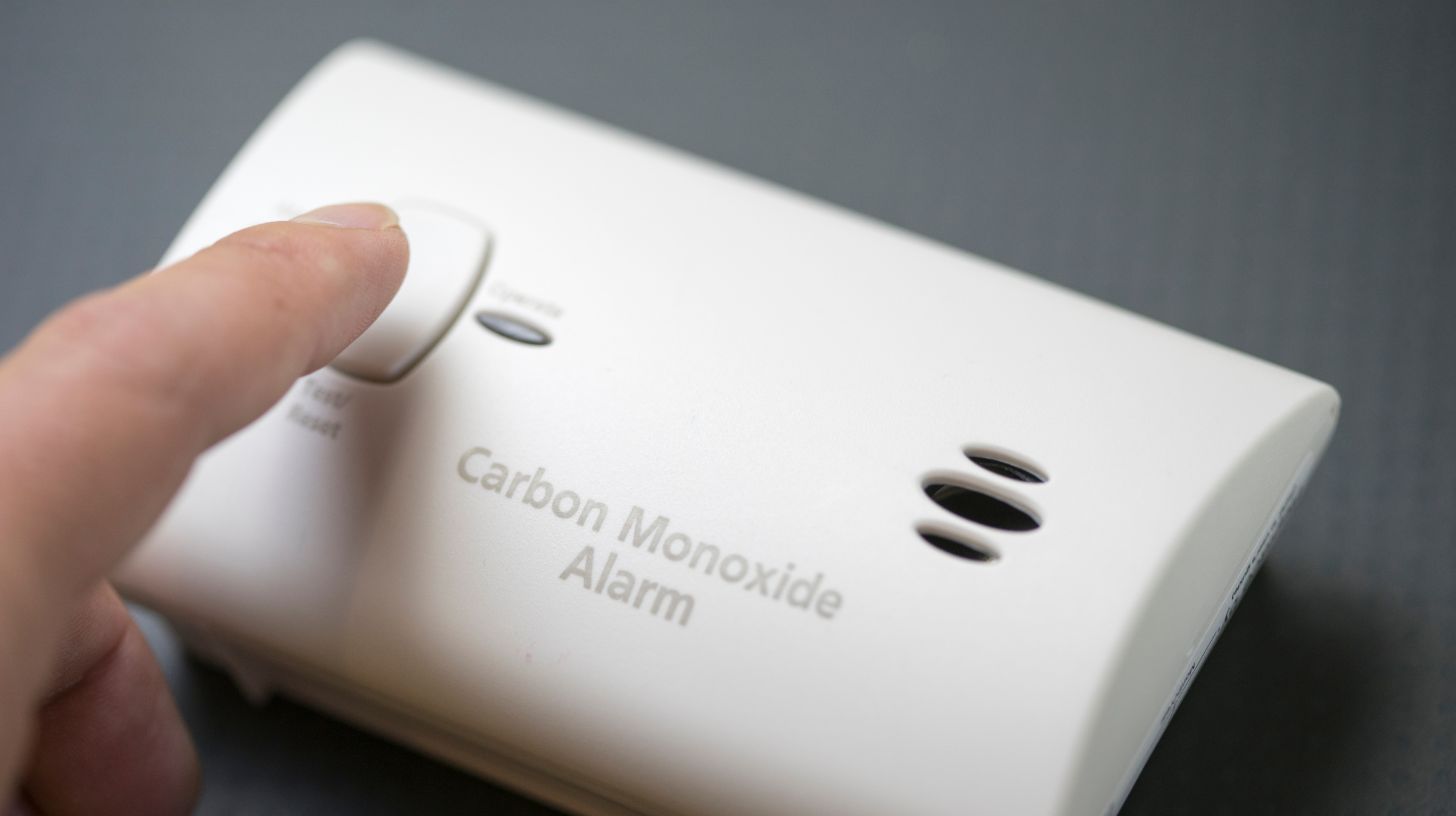
Carbon monoxide (CO) is an odorless, colorless gas that can cause serious health issues or even death when inhaled in large quantities. It’s produced when fuels like gas, oil, coal, or wood don’t burn fully. In enclosed spaces like homes, CO levels can quickly rise to life-threatening levels.

The Importance of HVAC Safety

Heating, Ventilation, and Air Conditioning (HVAC) systems are essential for maintaining a comfortable and healthy indoor environment. However, if not properly maintained, they can become sources of carbon monoxide. Ensuring HVAC safety is vital to protect your family from the dangers of CO poisoning.

Recognizing the Symptoms of Carbon Monoxide Poisoning

Recognizing the symptoms of CO poisoning is crucial. Early symptoms include headache, dizziness, weakness, nausea, vomiting, chest pain, and confusion. High levels can cause loss of consciousness and are potentially lethal. If you suspect CO poisoning, seek fresh air immediately and call emergency services.

Signs That Your HVAC System Might Be Leaking Carbon Monoxide

Several signs can indicate your HVAC system might be leaking CO:

  1. Streaks of soot around the unit: Soot accumulation can be a sign of incomplete combustion, a common cause of CO production.
  2. No upward draft in your chimney: If exhaust gases aren’t venting properly, CO can accumulate.
  3. Rust or water streaking on vent/chimney: This can indicate that the venting systems are not working properly.
  4. Excessive moisture on windows, walls, or other cold surfaces: This can be a sign of a malfunctioning HVAC system.
  5. Rusting on flue pipes or appliance jacks: Visible rust can be a sign of CO leaks.
  6. Yellow or orange flames in your combustion appliances: Flames should be blue. Yellow or orange flames suggest incomplete combustion.

FAQs

What is carbon monoxide, and why is it dangerous? Carbon monoxide is a toxic gas produced by incomplete combustion of fossil fuels. It’s dangerous because it displaces oxygen in the blood, leading to oxygen deprivation for vital organs.

How does carbon monoxide poisoning occur in homes? CO poisoning can occur from improperly functioning or unvented fuel-burning appliances, like heating systems, blocked chimneys, or car exhausts in attached garages.

What role does an HVAC system play in carbon monoxide leaks? HVAC systems, if faulty or improperly maintained, can be a significant source of CO, especially older units or those with blocked vents.

What are the symptoms of carbon monoxide poisoning, and how can I recognize them? The symptoms range from mild (headache, dizziness) to severe (confusion, loss of consciousness). It’s often mistaken for flu due to similar symptoms.

Are there any specific signs that my HVAC system might be leaking carbon monoxide? Yes, signs include soot around the appliance, no draft in the chimney, rusting on flue pipes, and unusual flames in combustion appliances.


Stay informed and ensure the safety of your home with Semper Fi Heating and Cooling in Phoenix. Regular maintenance and awareness are key to preventing carbon monoxide poisoning. If you suspect a CO leak, contact professionals immediately for inspection and repair. Remember, your safety is paramount.

Year-End HVAC System Maintenance: A Wise Investment

TL;DR: Ensure your home’s comfort and efficiency with our guide on year-end HVAC maintenance. Learn essential maintenance tasks, the benefits of regular upkeep, and finding professional services. Keep your system running smoothly and prevent costly repairs with timely end-of-year maintenance.

As the year draws to a close and we prepare for the changes that come with the seasons, it’s crucial to give your heating, ventilation, and air conditioning (HVAC) system the attention it deserves. This maintenance is more than just a routine check-up; it’s a wise investment in your home’s comfort, efficiency, and longevity.

In this post, we’ll delve into why the end of the year is the perfect time to perform routine maintenance on your heating system and cooling systems. From ensuring your system runs smoothly through the winter months to avoiding unexpected breakdowns and costly repairs, we’ll cover everything you need to know. Whether you’re a seasoned homeowner or new to home maintenance, understanding the intricacies of your HVAC system and the benefits of regular upkeep can make a significant difference in your daily comfort and your utility bills.

Why Year-End Maintenance is Essential for Your Phoenix HVAC System

As the year winds down in Phoenix, the shift in seasons brings about a unique set of challenges for your HVAC system. While Phoenix is known for its scorching summers, the cooler winter months shouldn’t be underestimated, especially regarding the efficiency and functionality of your heating and cooling system.

Year-end maintenance is essential in this desert climate, primarily because it ensures your system is prepared for the temperature fluctuations that winter can bring. This period of maintenance is crucial for identifying potential issues that could become significant problems during the colder days. Moreover, it helps in adjusting your system to operate more efficiently during the cooler season, ensuring that your home remains comfortable without unnecessarily high energy costs.

Another key aspect of year-end maintenance in Phoenix is addressing the wear and tear accumulated over the hot summer months. The intense heat and continual use of air conditioning units during summer can strain various components of the HVAC system. As the year ends, a thorough check-up can spot any wear and tear, allowing for timely repairs or replacements. This proactive approach not only enhances the longevity of your HVAC system but also ensures optimal performance.

Regular maintenance checks can prevent unexpected breakdowns and costly emergency repairs, which are far more likely to occur if the system is neglected. Additionally, this maintenance keeps the air quality in your home at its best, a crucial factor for health and comfort, especially when the windows are kept closed to keep the chill out.

Key Steps in Comprehensive Year-End HVAC Maintenance

As the year comes to a close, it’s important to give your HVAC system the thorough check-up it needs to ensure it’s ready for the coming year. Comprehensive maintenance involves several key steps that can help extend the life of your system, improve its efficiency, and maintain the comfort and safety of your home. The best way to ensure your HVAC system is running smoothly is to hire a professional HVAC company but there are several key tips every homeowner can do. Here’s a bullet-point list of essential tasks to include in your year-end HVAC maintenance routine:

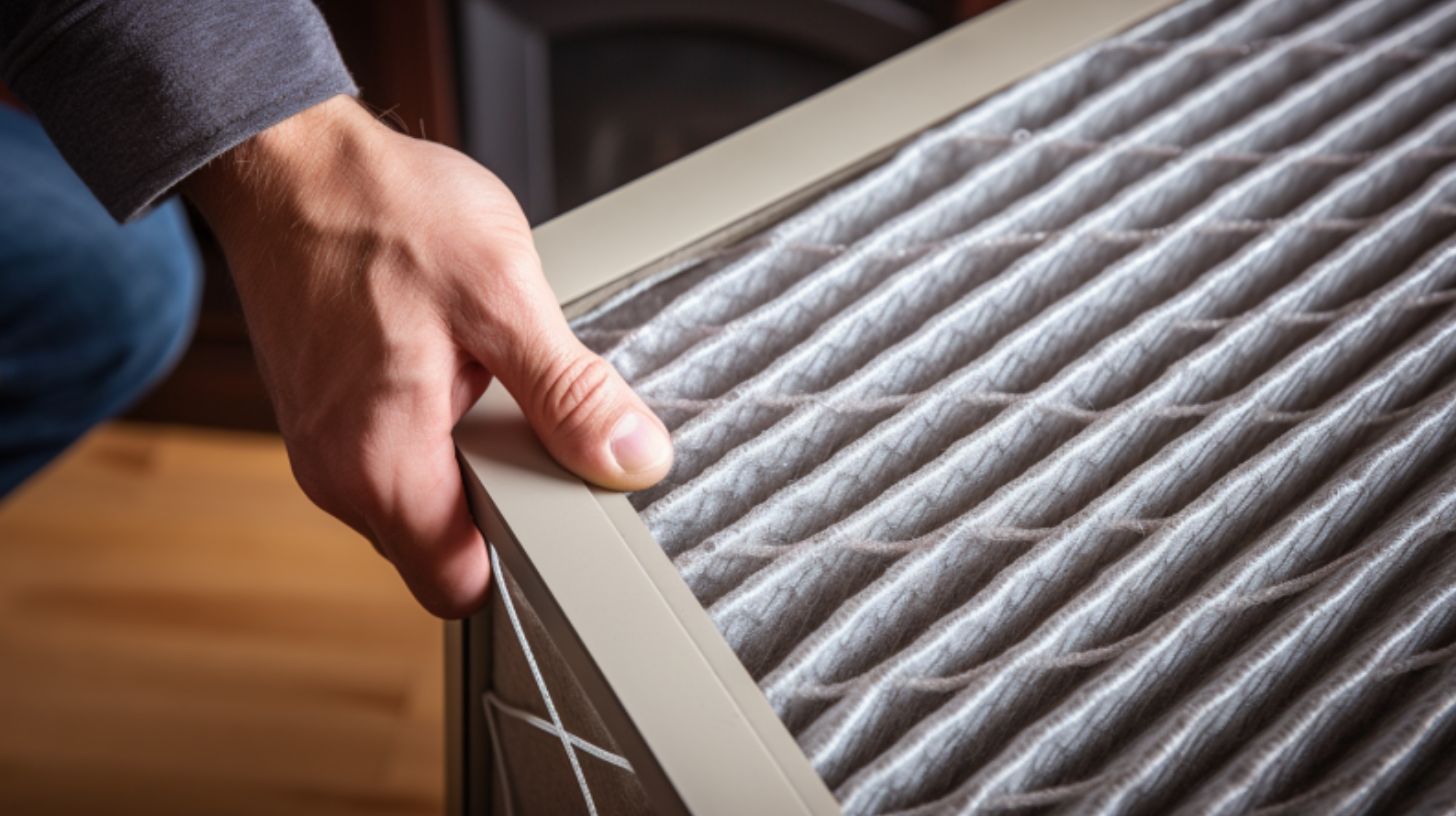
  • Inspect and Replace Air Filters: Check the air filters and replace them if necessary. Clean filters improve air quality and system efficiency.
  • Clean and Inspect Air Ducts: Ensure ducts are free of dust and debris. Look for any signs of damage or leaks, which can significantly reduce system efficiency.
  • Check Thermostat Functionality: Test your thermostat to make sure it’s working correctly. Consider upgrading to a smart thermostat for better energy management.
  • Inspect Electrical Connections: Check all electrical connections for signs of wear or damage. Tighten connections and replace any frayed wires.
  • Check Refrigerant Levels: For air conditioning systems, check refrigerant levels. Improper levels can reduce efficiency and cause damage.
  • Test Safety Controls and Emergency Shut-Offs: Ensure all safety controls are functioning correctly and that emergency shut-off mechanisms are in good working order.
  • Schedule Professional Inspection: Finally, schedule a professional inspection. A certified HVAC technician can perform a comprehensive check-up, including tasks not easily done by the average homeowner, such as checking for carbon monoxide leaks and inspecting internal components.

Completing these key steps in your year-end HVAC maintenance can save you money, prolong the life of your system, and ensure a comfortable, safe home environment throughout the year. Remember, preventive maintenance is always more cost-effective than emergency repairs.

The Cost Benefits of Regular HVAC Upkeep

Regular HVAC maintenance, particularly at year-end, offers significant cost benefits that extend far beyond the immediate season. One of the most immediate impacts of regular upkeep is the enhanced efficiency of the system, which translates directly into lower energy bills. An HVAC system in top condition operates more smoothly, requiring less energy to maintain your home’s temperature. This efficiency is crucial, especially during extreme weather conditions when HVAC systems are under the most strain.

Furthermore, regular maintenance can identify and rectify minor issues before they escalate into major, costly repairs. For instance, replacing a worn belt or cleaning dirty coils is far less expensive than repairing a burnt-out motor or a broken compressor, which can result from neglecting these smaller issues.

Another long-term cost benefit of regular HVAC maintenance lies in the extended lifespan of the system. Just like any major appliance, an HVAC system that receives consistent care and attention will invariably last longer than one that doesn’t. This means homeowners can delay the significant expense of replacing an entire HVAC system, enjoying more years of service from their current setup.

Additionally, a well-maintained HVAC system retains its efficiency over the years, avoiding the gradual increase in energy consumption often seen in neglected units. This sustained efficiency is not only good for your wallet but also beneficial for the environment, as it reduces the overall energy demand and carbon footprint of your household. In summary, investing in regular HVAC maintenance can lead to substantial savings, making it a financially wise decision for homeowners.

Overcoming Common Misconceptions in Phoenix About HVAC Maintenance

In Phoenix, where extreme temperatures are a norm, there are several misconceptions about HVAC maintenance that can lead homeowners to neglect this critical aspect of home care. One common myth is that if the HVAC system is running without any apparent issues, it doesn’t need maintenance. This belief can be particularly misleading in a climate like Phoenix’s, where HVAC systems work overtime to combat the intense heat for most of the year. Regular wear and tear in such conditions may not immediately manifest in performance issues but can significantly reduce the system’s efficiency and lifespan.

Another misconception is the overestimation of the cost of regular maintenance. Many homeowners in Phoenix assume that routine check-ups and servicing are expensive, not realizing that the cost of regular maintenance is often much lower than the expense of major repairs or system replacement due to neglect.

Additionally, a frequent misconception is the idea that DIY maintenance is always sufficient. While some aspects of HVAC maintenance, like changing filters, can be handled by homeowners, more complex tasks require professional expertise. In Phoenix’s harsh climate, professional inspections can identify issues like refrigerant leaks or electrical problems that are not apparent to the untrained eye. These issues, if left unchecked, can lead to inefficient cooling, higher energy bills, and even safety hazards.

Furthermore, there’s a belief that HVAC systems only need attention during the summer months. However, year-round maintenance is crucial for ensuring the system is prepared for the intense summer heat and the cooler winter months. By overcoming these misconceptions, Phoenix homeowners can ensure their HVAC systems are well-maintained, leading to better performance, increased comfort, and cost savings in the long run.

Professional HVAC Maintenance Near You

In conclusion, understanding the importance of year-end HVAC maintenance, especially in a unique climate like Phoenix, is essential for every homeowner. Regular maintenance not only ensures your system operates at peak efficiency but also extends its lifespan, improves your home’s air quality, and saves you money in the long run. By dispelling common misconceptions, recognizing the benefits of professional servicing, and adhering to a comprehensive maintenance schedule, you can protect your investment and enjoy a comfortable home environment year-round.

If you’re in the Phoenix Metro Area, Semper Fi Heating & Cooling is your trusted partner for all of your HVAC needs! Whether it’s routine maintenance to keep your system running smoothly or urgent repairs to keep your home comfortable, our team of experienced technicians is equipped to handle it all. We pride ourselves on our prompt, efficient service and our deep understanding of the unique HVAC challenges in the Phoenix area. Trust Semper Fi Heating & Cooling to keep your home comfortable year-round – because your family’s comfort is our mission.

Frequently Asked Questions About HVAC Maintenance In Phoenix

Why is year-end maintenance important for my HVAC system?

Year-end maintenance is crucial for your HVAC system because it ensures it’s running efficiently and effectively. This maintenance checks for wear and tear from the year, addresses any minor issues before they become major problems, and prepares the system for the upcoming seasonal changes.

What are some common steps involved in year-end HVAC maintenance?

Common steps in year-end HVAC maintenance include cleaning or replacing air filters, inspecting and cleaning ducts and vents, checking thermostat functionality, inspecting electrical connections, lubricating moving parts, examining the heat exchanger and burners, checking refrigerant levels, and ensuring safety controls are functioning properly.

How does regular HVAC maintenance save me money in the long run?

Regular HVAC maintenance saves money in the long run by increasing system efficiency, thus lowering energy bills, preventing costly major repairs through early detection of issues, and extending the overall lifespan of the system, delaying the need for a costly replacement.

I’ve heard that HVAC systems are pretty robust and don’t need frequent check-ups. Is this true?

While HVAC systems are designed to be robust, they still require regular check-ups to maintain optimal performance. Frequent maintenance ensures they run efficiently, extends their lifespan, and helps prevent costly repairs or breakdowns, which are more likely without regular care.

How to save money on heating and cooling?

TLDR: This blog provides valuable tips for managing HVAC usage and reducing energy bills in a desert climate like Phoenix. It covers strategies for lowering heating and cooling costs, including high-efficiency systems, insulation, and proper maintenance. It also highlights the benefits of smart thermostats in achieving energy efficiency and comfort. Semper Fi Heating and Cooling offers expert advice and solutions to help homeowners beat the desert heat without breaking the bank.

Living in the desert climate can create hefty costs in both electricity and maintenance bills for your home’s HVAC system. In order to help reduce these costs, here are four tips to manage HVAC use: lower your heating costs by regulating temperature settings in the desert; utilize cooling strategies in the Phoenix heat without overspending your budget; maintain your HVAC system on a regular basis for maximum energy savings; and leverage the functionality of smart thermostats for added efficiency.

Tips for Lowering Heating Costs in the Desert Climate

Semper Fi Heating and Cooling offers advice for managing heating costs in desert climates. One of the most important tips is to invest in high-efficiency air conditioning systems, which can dramatically reduce cooling costs in hot climates. It is also important to keep the home’s windows and doors free of air leaks, as these will allow hot air to enter the home and require additional cooling. To help reduce solar gain, Semper Fi recommends installing window shades, blinds, or drapes to block the sun’s rays from coming in. Using the heater only when necessary and turning it down when not needed can also help to reduce costs. Insulating the home will also help to reduce cooling costs by making the home more energy-efficient. Many people living in the desert opt to use ceiling fans along with the air conditioning system instead of depending on the air conditioning alone—this will also help to reduce costs. Finally, Semper Fi suggests having the AC system regularly maintained to make sure it is running as efficiently as possible. By following these tips, desert dwellers can greatly reduce their cooling costs.

Cooling Strategies to Beat the Phoenix Heat Without Breaking the Bank

Semper Fi Heating and Cooling provides effective cooling strategies to beat the Phoenix heat while being budget-conscious. Homeowners can ensure that their air conditioners keep their living spaces at a comfortable temperature by making sure that air filters are changed on a regular basis, having their HVAC systems inspected by a professional semi-annually, closing off rooms that aren’t being used, and ensuring that the outdoor unit is uncluttered and shade-free. Additionally, homeowners should invest in window treatments such as shades and drapes to block direct sunlight, and replacing single pane windows with double or triple pane windows for better insulation. Furthermore, they should practice proper air circulation by using ceiling fans to circulate the air from top to bottom so it circulates efficiently around the house. Semper Fi provides a wide selection of high-efficiency air conditioners that are engineered and designed for cooler climates, as well as providing smart thermostats that detect when a room is unoccupied and make adjustments for maximum energy savings. With effective cooling strategies, Semper Fi Heating and Cooling can help residents of Phoenix beat the summer heat without breaking the bank.

Regular HVAC Maintenance: A Key to Savings

The value of regular HVAC maintenance cannot be overlooked when it comes to saving on energy bills. At Semper Fi Heating and Cooling, preventive maintenance is one of our top priorities for all of our services. By performing routine maintenance, such as inspecting and cleaning the HVAC components and keeping up-to-date on seasonal tune-ups, it ensures our customers’ systems are running as efficiently as possible. Additionally, scheduled maintenance helps uncover hidden issues before they become major problems or cause significant property damage, which could lead to costly repairs or necessary replacements.

With regular maintenance, Semper Fi Heating and Cooling can ensure that the heating and air conditioning units use the least amount of energy to reach requested temperatures, reducing strain on the system and elevating its life expectancy. Regular maintenance also helps reduce the number of allergens and bacteria that can build up over time, helping to create a healthy and safe environment around the home.

The value of regularly scheduled maintenance services from Semper Fi Heating and Cooling is clear when it comes to saving customers’ money. As we help identify and correct any small problems before they turn into bigger and more costly ones, customers will realize a lower energy bill and generally have a more efficient HVAC system than if they had gone without maintenance. Regular maintenance also helps keep warranties intact, providing additional peace of mind for customers.

In today’s day and age, when energy prices are on the rise, having an efficient, working HVAC system in a home or business is non-negotiable, and regular maintenance is a key element to ensuring this system will last. By relying on Semper Fi Heating and Cooling for regular maintenance, customers can trust they are maximizing cost savings while minimizing repair and energy bills. We also offer professional water heater repairs in Mesa for your needs.

Smart Thermostats: A Modern Solution for Energy Efficiency

Smart thermostats are a modern solution for energy efficiency, offering a range of conveniences and savings. At Semper Fi Heating and Cooling we take great pride in offering premium energy efficient solutions to our customers. From smart thermostats to energy efficient HVACs, we provide a range of products that can help customers save on energy costs while enjoying convenience. Smart thermostats allow customers to control their HVAC systems from virtually anywhere with an internet connection. By utilizing geofencing technology, thermostats can also be programmed to react differently in specific environments and locations. This means that temperature settings can respond to factors like occupancy, time of day, outdoor temperatures, and more.

Additionally, smart thermostats provide easy to interpret energy and usage logs, allowing users to identify energy-wasting behaviors and make the necessary changes to make their homes more efficient. This provides customers with an easy to use and understand visual representation of where and how their energy is being used. Smart thermostats also often come with additional features like remote access, smart home integration and voice control. With the Semper Fi Heating and Cooling smart thermostats, customers can enjoy peace of mind and the satisfaction of knowing that they are doing their part to reduce energy consumption with an efficient and environmentally friendly system.

Final Thoughts

Heating and cooling a home can be a major expense in a desert climate, but there are ways to reduce costs and maximize efficiency. Homeowners should pursue actively strategies for reducing energy consumption, such as incorporating weatherization strategies, and staying on top of regular maintenance for their HVAC system. Smart thermostats can also be used to monitor temperatures and control energy usage throughout the home. All of these methods can help keep energy costs under control while ensuring a comfortable environment.

Frequently Asked Questions

Why is it important to save money on heating and cooling in Phoenix?

Saving money on heating and cooling costs in Phoenix is important because of the city’s desert climate and the hot summers and mild winters. During the summer months, temperatures can reach over 110 degrees and during the winter months, temperatures can range from the low 40’s to mid or high 70’s. Having an energy-efficient and cost-effective cooling system is essential to avoiding unnecessary energy costs due to the extreme temperatures. Additionally, an efficient system can help to keep utility bills low while reducing the strain on the environment.

What are the main challenges of HVAC systems in the Phoenix climate?

The main challenges of HVAC systems in the Phoenix climate are:

1. High Heat: Phoenix typically experiences very hot summer temperatures, which require air conditioners to work harder and for longer periods of time.

2. High Humidity: The high humidity levels in Phoenix can cause air conditioners to struggle to keep up, resulting in higher energy bills.

3. Dust and Pollen: Phoenix often has high levels of dust and pollen in the air, which can cause clogging in the air filter, reducing the efficiency of the system.

4. Poor Insulation: Many buildings in Phoenix have poor insulation, which causes hot air to enter the home and makes it more difficult for the air conditioner to keep the indoor temperature comfortable.

How can I lower my heating costs during the cooler months in Phoenix?

To lower your heating costs during the cooler months in Phoenix, you should:

1. Keep windows, doors, and other openings well sealed.

2. Maintain your heating system regularly.

3. Use window coverings such as curtains and blinds to reduce heat loss.

4. Utilize a programmable thermostat to keep the house at a lower temperature during the night and while you are away.

5. Check for drafts around windows, doors, and other openings and seal any that you find.

6. Open curtains on south-facing windows during the daytime to let the sun’s heat in.

7. Turn down the thermostat.

8. Install a furnace humidifier to keep air from drying out.

9. Make sure your furnace filter is clean and replaced regularly.

10. Utilize space heaters when needed.

What strategies can I use to reduce cooling expenses in the hot Phoenix summers?

1. Increase the efficiency of existing cooling appliances by regularly maintaining them.
2. Install a programmable thermostat to control the temperature inside the building and automate the cooling process.
3. Attach reflective film to windows, which reflects the sun’s heat from entering the building.
4. Add insulation to your attic, walls, windows and doors to reduce the amount of cool air that can escape from the building.
5. Use heavier drapes and curtains to block or reflect the sun’s radiation.
6. Plant trees or shrubs near windows and around the building to provide shady pockets and natural cooling.
7. Replace inefficient incandescent bulbs with energy-efficient LED lamps to reduce the extra heating created by lights.
8. Upgrade the existing cooling appliances and make sure they are energy star rated.
9. Install ceiling or window fans to circulate the cool air and reduce the strain on the cooling appliance.
10. Shade your A/C condensing unit from direct sunlight.

Best ways to heat and cool a garage

TLDR: Reliable heating and cooling solutions for Phoenix garages exposed to extreme desert heat is extremely important. There are many benefits of energy-efficient HVAC systems, the role of garage thermostat technology and automation, and the significance of proper insulation. Semper Fi Heating and Cooling, with over 15 years of experience, offers customized solutions and maintenance services to ensure comfortable and cost-effective garage environments throughout the year.

Phoenix garages are exposed to extreme Desert heat, therefore, having reliable and energy-efficient heating and cooling solutions is essential in order to keep occupants comfortable while avoiding costly energy bills. Fortunately, there are a variety of HVAC systems on the market that allow Phoenix garages to regulate their internal temperatures while also reducing their energy consumption. The proper installation of a quality garage thermostat and automation technology will ensure constant, steady temps which will reduce their energy costs. Lastly, certain insulation methods must be used in order to keep the desert heat and cold from entering the garage, ultimately creating a more comfortable environment.

Heating and Cooling Solutions for Phoenix Garages,

Semper Fi Heating and Cooling is a heating and air conditioning service provider based out of Phoenix, Arizona, with over 15 years of experience in the industry. The company is committed to providing Phoenix garages with the best, most reliable heating and cooling solutions to suit any homeowner’s needs. Whether Phoenix homeowners need system installation, maintenance, repairs, or just the occasional service, Semper Fi Heating and Cooling is ready to provide efficient and cost-effective HVAC services.

Semper Fi Heating and Cooling specializes in environmentally-friendly solutions for Phoenix garages. From energy-efficient air conditioners to the latest energy-saving techniques, the company has the tools and experience to design and install the best heating and cooling system for any Phoenix garage. As part of their commitment to the environment, Semper Fi Heating and Cooling ensures their products and services are safe for the environment and that their clients are able to reduce their energy costs while still enjoying a cool and comfortable garage.

Another advantage of Semper Fi Heating and Cooling for Phoenix garages is their ability to provide customized heat and cooling solutions to address every individual’s needs. With the combination of certified technicians, industry expertise, and cutting-edge technology, we are able to create unique heating and cooling solutions for each individual customer. Whether Phoenix homeowners need to heat their garage in the winter or cool it during the summer, they can rely on the expertise of Semper Fi Heating and Cooling to help them make the most informed decision for their needs.

Lastly, Semper Fi Heating and Cooling offers a range of services to ensure Phoenix garages have a reliable heating and cooling system. The company offers maintenance programs to help ensure that Phoenix homeowners can keep their system operating at peak efficiency and prevent costly repairs in the future. Additionally, providing emergency repair services to help Phoenix homeowners keep their garage comfortable year-round.

Semper Fi Heating and Cooling is committed to helping Phoenix garages remain cool and comfortable for years to come. With their wide range of services, energy-efficient solutions, and commitment to the environment, Phoenix homeowners can count on this experienced HVAC team to provide them with the best heating and cooling solutions.

Energy-Efficient HVAC Systems for Garage Comfort in the Desert Heat

Semper Fi Heating and Cooling specializes in providing desert homeowners with energy-efficient HVAC systems to keep their garages comfortably cool during the blistering summer months. With over 30 years of experience, their knowledgeable and experienced technicians will design and install a comprehensive system to keep the temperature in the garage regulated, no matter how hot the sun beats down during the day. Their HVAC systems are designed to utilize efficient cooling technologies such as insulated walls and a multi-stage cooling system to ensure that the temperature in the garage stays precisely where it needs to be.

Additionally, Semper Fi Heating and cooling offers an array of equipment that helps those in the desert conserve energy and stay comfortable, all while remaining cost-effective. This includes energy-saving hybrid systems, as well as programmable thermostats that can be programmed to turn off and on automatically when needed. With these features, customers not only save money on monthly bills, but help to reduce their overall consumption of energy.

Part of the philosophy of Semper Fi Heating and Cooling is to deliver quality and reliable services that will last for many years. They offer services such as maintenance to ensure that their customers’ systems are running optimally, as well as repairs in case of any breakdowns. Additionally, they carry a wide selection of energy-efficient replacement parts as well, to keep their systems in peak working order.

Choosing the wrong HVAC system when faced with desert heat can have serious consequences. Semper Fi Heating and Cooling takes pride in providing their customers with the highest quality energy-efficient systems available at an affordable price, making sure they remain cool and comfortable all year round.

The Importance of Proper Garage Thermostat Technology and Automation for Phoenix Garages

Maintaining a comfortable temperature in Phoenix garages is an essential part of comfort and safety when working out of the confines of shielding walls. Semper Fi Heating and Cooling provides its customers with the technological advancements necessary to keep temperatures comfortable and efficient in Phoenix garages. Proper garage thermostat technology and automation is vital to maintaining the right temperature in Phoenix garages, no matter the season. The temperature in an uninsulated, unregulated garage can rise to as high as 95 degrees, leaving the occupants feeling like they are walking through an oven. The danger of heatstroke is real in these temperatures and proper thermostat technology from Semper Fi Heating and Cooling helps prevent the risks of these hostile climatic conditions.

Semper Fi Heating and Cooling offers their customers a variety of features to make sure their Phoenix garages are comfortable and inviting. Features that adjust to the various temperatures seasons bring is especially important for Phoenix garages, as the temperature can range from 110 degrees in the blistering summer heat to nearly freezing in the winter months. Semper Fi Heating and Cooling provides automated thermostats that automatically adjust to climate conditions to keep the temperature regulated, resulting in less energy waste and more importantly, an increased level of safety and comfort in Phoenix garages.

Additionally, Semper Fi heating and cooling’s automated thermostats are integrated with other automated systems, which results in an overall more enjoyable garage experience. Not only will the temperature regulator keep the air at optimal levels, but Semper Fi’s automated thermostats are connected to other systems, such as home security and lighting, enabling customers to control their garage’s climate with the touch of a button.

In conclusion, Semper Fi heating and cooling has revolutionized the way Phoenix garages are able to remain comfortable and efficient by providing automated thermostat technology that can adjust to the varying temperatures of the seasons. The automation of these thermostats provide comfort, safety, and an overall increased level of enjoyment of garage activities.

Garage Insulation: Keeping the Desert Heat and Cold at Bay

Garage insulation is an important aspect of keeping your home comfortable throughout the seasons, especially in the design start desert climate. For homeowners looking to keep the desert heat and cold at bay, Semper Fi Heating and Cooling provides a range of insulation services, including wall, attic, and garage. A well-insulated garage can help reduce heat transfer, as well as noise pollution making garages more usable for both living space and storage.

Insulating your garage does more than just help make living spaces more comfortable. It also helps homeowners save money on energy costs that can accumulate quickly in the summertime. High-efficiency cellulose insulation can help limit energy transfer both to and from the outside of your home, ensuring energy-efficient operation of air conditioning and heating systems. By installing insulation and climate control systems, an optimal temperature can be maintained, allowing homeowners to save money on their energy bills.

Semper Fi Heating and Cooling is the leading insulation provider in the area and offers a variety of insulation services to fit the exact needs of homeowners. Their range of services includes garage door sealing, drywall installation, foam insulation, and pipe insulation. They also offer energy-efficient air conditioners and insulation systems, as well as guaranteed workmanship for all their services.

Semper Fi Heating and Cooling also offers garage door insulation services to further reduce energy transfer in the summer. Garage door insulation helps keep the garage at a cool temperature, and it also helps to reduce outside noise. The experienced technicians at Semper Fi are also able to evaluate any existing insulation installed in the garage and recommend any additional upgrades or insulation solutions needed to maximize energy efficiency.

For homeowners looking to insulate their garage and keep the desert heat and cold at bay, Semper Fi Heating and Cooling provides a comprehensive range of insulation services to meet any budget and reduce energy consumption. With experienced technicians and the latest energy-efficient technology, homeowners can rest easy knowing that their garages are providing a comfortable and energy-efficient environment all year round.

Final Thoughts

Phoenix garages must take into proper consideration various features including heating and cooling solutions, energy-efficient HVAC systems, garage thermostat technology and automation, and proper insulation to maintain a comfortable temperature in their garages. Heating and cooling solutions are important for providing breathable air in the garage, while energy-efficient HVAC systems will lower energy bills. By incorporating the right garage temperature technology, owners are able to automatically control and maintain the desired temperature throughout their garage. Lastly, proper insulation is equally important for keeping the cold and intense heat of the desert outside. By incorporating all of these features into a Phoenix garage, owners will be able to maximize their comfort and save money in the desert’s unforgiving climate.

Frequently Asked Questions

What makes heating and cooling a garage in Phoenix different from other regions?

Heating and cooling a garage in Phoenix is different from other regions because of the extreme temperatures. Phoenix is known for it’s extremely hot and dry climate. During the summer, temperatures can reach over 100°F and during the winter, temperatures drop to 50°F or lower. In order to stay comfortable in your garage year-round, you will need to invest in an air conditioning system that is specifically designed for Phoenix’s harsh climate. Additionally, you may need to consider investing in additional insulation and ventilation to keep your garage cool during the summer and warm during the winter.

Can I use a standard HVAC system for my garage in Phoenixor do I need a specialized one?

Yes, you can use a standard HVAC system for your garage in Phoenix but you will likely need to make some additional modifications to ensure it is properly insulated. You should also ensure that the heating and cooling systems are adequately sized for the space. Additionally, you may need to install additional air filters to prevent dust and other particulates from entering the system.

How can I reduce energy costs while heating or cooling my garage in Phoenix?

To reduce energy costs while heating or cooling a garage in Phoenix, there are several steps that can be taken.

1. Install enough insulation in the walls, ceilings, and floors of the garage. This will help to keep the air warm in the winter and cool in the summer.

2. Utilize energy efficient windows and doors. This can help keep the outside air from entering the garage and keep it at a comfortable temperature.

3. Install a thermostat that can be programmed to turn on or off when temperatures exceed a predetermined level.

4. Make sure to properly seal cracks and openings that could let the hot or cold air escape.

5. Take advantage of natural ventilation when feasible by opening the garage doors to allow air flow.

6. Consider using an energy efficient HVAC system to heat or cool the garage.

What role does insulation play in garage temperature control in Phoenix?

Insulation plays an important role in temperature control in Phoenix garages. Insulation helps to keep the temperature regulated by preventing hot air from entering the garage during hot summer months and reducing heat loss in the winter. It also serves to reduce noise levels by absorbing sound vibrations. The type and amount of insulation needed for a garage in Phoenix will depend on the size of the garage and the local climate.


Getting Your HVAC System Winter-Ready in Phoenix

As temperatures in Phoenix begin to lower, it’s easy to overlook the needs of your HVAC system. After all, in a city known more for its scorching summers than chilly winters, winter preparation might not seem like a priority. You may be thinking now that temperatures aren’t scorching, the load is lighter on your HVAC system.

However, even in the mild winter climate of Phoenix, ensuring that your HVAC system is ready for the season is crucial. It’s not just about maintaining comfort during those unexpectedly brisk nights; it’s about ensuring the efficiency and longevity of one of your home’s most essential systems.

In Phoenix, where temperatures rarely plummet, the winter months can still put unique demands on your HVAC system. From the occasional cold snap to the need for consistent, energy-efficient heating, preparing your system for winter is a step that can save you from unexpected repairs and high energy bills. In this blog, we will guide you through the essential steps to get your HVAC system winter-ready in Phoenix. From simple DIY checks to understanding when to call in the professionals, we’ve got you covered.

Understanding Your HVAC System And How Winter Can Impact It

To effectively prepare your HVAC system for winter in Phoenix, it’s crucial first to understand its components and how they function. An HVAC system, or Heating, Ventilation, and Air Conditioning system, is your home’s climate control powerhouse, responsible for maintaining a comfortable indoor temperature year-round. In Phoenix, while the focus is often on cooling during the scorching summer months, the heating component becomes equally important as temperatures dip in winter.

Your system consists of several key parts: the furnace or heater, which provides the warmth; the ductwork, which distributes air throughout your home; the thermostat, which controls the temperature; and the air filters, which keep the circulated air clean. Each of these components plays a vital role in ensuring your comfort during the winter months, and understanding their functions can help you better maintain and prepare them for the cooler weather ahead.

Winter in Phoenix may not bring freezing temperatures, but it does introduce a different set of demands on your HVAC system. Unlike the extreme heat of summer, winter in Phoenix is characterized by milder temperatures and occasionally chilly evenings. This shift means your HVAC system transitions from primarily cooling to providing consistent, gentle warmth. The change in usage can expose issues like inefficient heating, poor insulation, or unnoticed damage to the system that went undetected during the warmer months.

Additionally, the reduced need for cooling can lead to a buildup of dust and debris in the system, which can impede airflow and efficiency. It’s also a time when pests might seek warmth, potentially nesting in outdoor components of the HVAC system. Understanding these winter-specific challenges is essential for Phoenix homeowners, as it guides the maintenance tasks and checks necessary to ensure a smooth and efficient operation of the system throughout the season.

Key Steps to Prepare Your HVAC for Winter

As Phoenix residents prepare for the winter, it’s important to ensure your HVAC system is up to the task of keeping your home comfortable. Regular maintenance and a few key steps can significantly improve the efficiency and longevity of your system. Here’s a bullet-point guide to get your HVAC system winter-ready:

  • Inspect and Replace Filters: One of the simplest yet most effective steps in preparing your HVAC for winter is checking and replacing the air filters. In Phoenix, dust and debris are common, and filters can become clogged faster. Clean filters are essential for maintaining air quality and ensuring efficient operation.
  • Check the Thermostat: As the seasons change, it’s important to adjust your thermostat settings accordingly. Ensure that it switches to heating mode properly and maintains a consistent temperature. If you have a programmable or smart thermostat, set it to lower the temperature when you’re not home to save energy. This is also a good time to consider upgrading to a smart thermostat, which can optimize your home’s heating efficiency and be controlled remotely.
  • Inspect Ductwork and Vents: Your HVAC’s ductwork and vents play a crucial role in distributing warm air throughout your home. Inspect them for any signs of blockage, leaks, or damage. Ensure that all vents are open and unobstructed by furniture or drapes. It’s also important to consider having your ducts professionally cleaned.
  • Schedule Professional Maintenance: While DIY checks are beneficial, professional HVAC maintenance is crucial, especially before winter. A trained technician can perform a comprehensive check of your system, including the furnace or heat pump, to ensure everything is in optimal condition. They can identify and fix minor issues before they become major problems, ensuring your system runs efficiently and safely throughout the winter.
  • Check Outdoor Units: Clear any debris around outdoor units and inspect for any damage. These obstructions can impede airflow and reduce the efficiency of your system
  • Test the System Early: Don’t wait for the first cold night to test your heating. Turn on your system early to ensure it’s working correctly. Listen for any unusual noises and pay attention to how quickly your home reaches the desired temperature. Early detection of any issues allows for timely repairs before the weather gets colder.
  • Seal Leaks and Improve Insulation: Check for drafts and ensure your home is well-insulated and free from air leaks. Check windows, doors, and any areas where drafts can occur. Proper insulation not only helps in maintaining a comfortable temperature but also reduces the strain on your HVAC system, leading to better efficiency and lower energy costs.

By following these key steps, homeowners in Phoenix can ensure their HVAC systems are well-prepared for the winter months, providing comfortable, efficient, and reliable heating throughout the season.

Common Mistakes to Avoid in HVAC Winterization

When preparing your HVAC system for the cooler months in Phoenix, there are several pitfalls to be wary of that can compromise the efficiency and effectiveness of your system. One common mistake that homeowners often make in preparing their HVAC systems for winter is neglecting regular maintenance.

Many assume that if their system was functioning well during the summer, it will automatically transition smoothly into winter. However, different seasons place different demands on the HVAC system. Neglecting to perform basic maintenance tasks like changing filters or checking for leaks in the ductwork can lead to decreased efficiency and potential breakdowns.

Another mistake is failing to properly inspect and maintain the outdoor components of the HVAC system. Leaves, dirt, and debris can accumulate around the outdoor unit, especially after fall, obstructing airflow and diminishing the system’s efficiency. Homeowners should ensure that the area around these units is clear and clean.

Additionally, many people underestimate the importance of professional HVAC inspections. While DIY checks are helpful, they cannot replace the expertise of a professional technician who can identify and address issues that are not immediately apparent to the untrained eye. Skipping professional maintenance can lead to undetected problems that may cause significant issues during the colder months, leading to uncomfortable temperatures at home and potentially costly repairs.

Benefits of Seasonal HVAC Maintenance in Phoenix

Regular maintenance of your HVAC system is key to keeping it running efficiently. In Phoenix, where the climate varies significantly between seasons, ensuring your system is tuned up for the specific demands of each season can lead to considerable energy savings. A well-maintained system requires less energy to heat or cool your home, directly translating to lower utility bills.

HVAC systems are significant investments, and like any major home appliance, their lifespan is directly tied to how well they are maintained. Seasonal maintenance helps in catching and addressing small issues before they escalate into major problems. This proactive approach not only saves you from expensive repairs but also extends the overall life of your system.

Seasonal maintenance includes cleaning or replacing filters, which is crucial for maintaining good indoor air quality. This is especially important in a city like Phoenix, where dust and allergens can be prevalent. Regular filter changes ensure that the air circulating through your home is as clean and healthy as possible.

One of the most significant benefits of seasonal maintenance is the prevention of unexpected system failures. Regular checks can identify potential issues before they become serious, reducing the likelihood of your system breaking down when you need it most.

Seasonal HVAC maintenance in Phoenix is not just a task to ensure heating and cooling efficiency; it’s a comprehensive approach to prolonging your system’s life, improving air quality, enhancing comfort, avoiding unexpected issues, and ensuring safety. The investment in regular maintenance pays off in both the short and long term, making it a wise decision for any homeowner in the region.

Professional HVAC Services In Phoenix, AZ You Can Count On

As we’ve navigated through the crucial steps and considerations for getting your HVAC system winter-ready in Phoenix, it’s clear that proper preparation and regular maintenance are key to ensuring a comfortable, efficient, and safe home environment. From the simple act of changing filters to the more technical aspects of professional inspections, each step contributes significantly to the overall performance of your HVAC system. Remember, while Phoenix winters might be milder compared to other regions, they still present unique challenges that require attention.

As winter approaches, you can count on Semper Fi Heating & Cooling to be your trusted partner for all of your heating and cooling needs throughout the Phoenix Metro Area. When you choose Semper Fi Heating & Cooling, you can rest assured that you are getting the best possible service. We are dedicated to providing our customers with the peace of mind that comes with knowing that their heating and cooling systems are working properly, year-round.

Frequently Asked Questions About HVAC Preparations For Winter

Why do I need to winterize my HVAC system in Phoenix?

Winterizing your HVAC system in Phoenix is essential to ensure it runs efficiently during occasional cold spells, to maintain indoor comfort, and to prolong the system’s lifespan by preventing overworking and breakdowns, especially after a long, hot summer.

How often should I service my HVAC system before winter?

It’s recommended to service your HVAC system at least once a year, ideally in the fall, before the onset of winter, to ensure it’s in optimal condition for the cooler months.

Can I do the winterization process for my HVAC myself?

Due to the complex nature of an HVAC system, it’s always best to hire a professional, experienced, and reliable HVAC company to perform comprehensive checks and perform routine maintenance. They have the necessary expertise, tools, and equipment to get the job done right.

Will winterizing my HVAC system in Phoenix save me money?

Yes, winterizing your HVAC system in Phoenix can save you money by improving energy efficiency, reducing the likelihood of costly repairs, and extending the lifespan of your system.

What s a mini split AC?

TLDR: This comprehensive article explores mini split AC systems, their advantages over central AC, types available, and the choice between them. Mini splits consist of indoor and outdoor units connected by tubing, offering energy efficiency, individualized control, and better air quality. Semper Fi Heating and Cooling specializes in these systems and can help you choose the right one for your needs. Ultimately, the choice between mini splits and central AC depends on factors like budget, space, and specific cooling requirements.

In this comprehensive article, we aim to provide you with a clear and in-depth understanding of the fundamental principles behind mini split AC units and the multitude of benefits they offer when compared to the conventional central AC systems. Additionally, we will delve into the diverse categories of mini split AC units available in the market and conduct a thorough comparison with the traditional central AC system. By discerning the distinctions between these cooling solutions, you will be empowered to make an informed choice that aligns perfectly with the specific cooling needs of your home.

How Does a Mini Split AC Work?

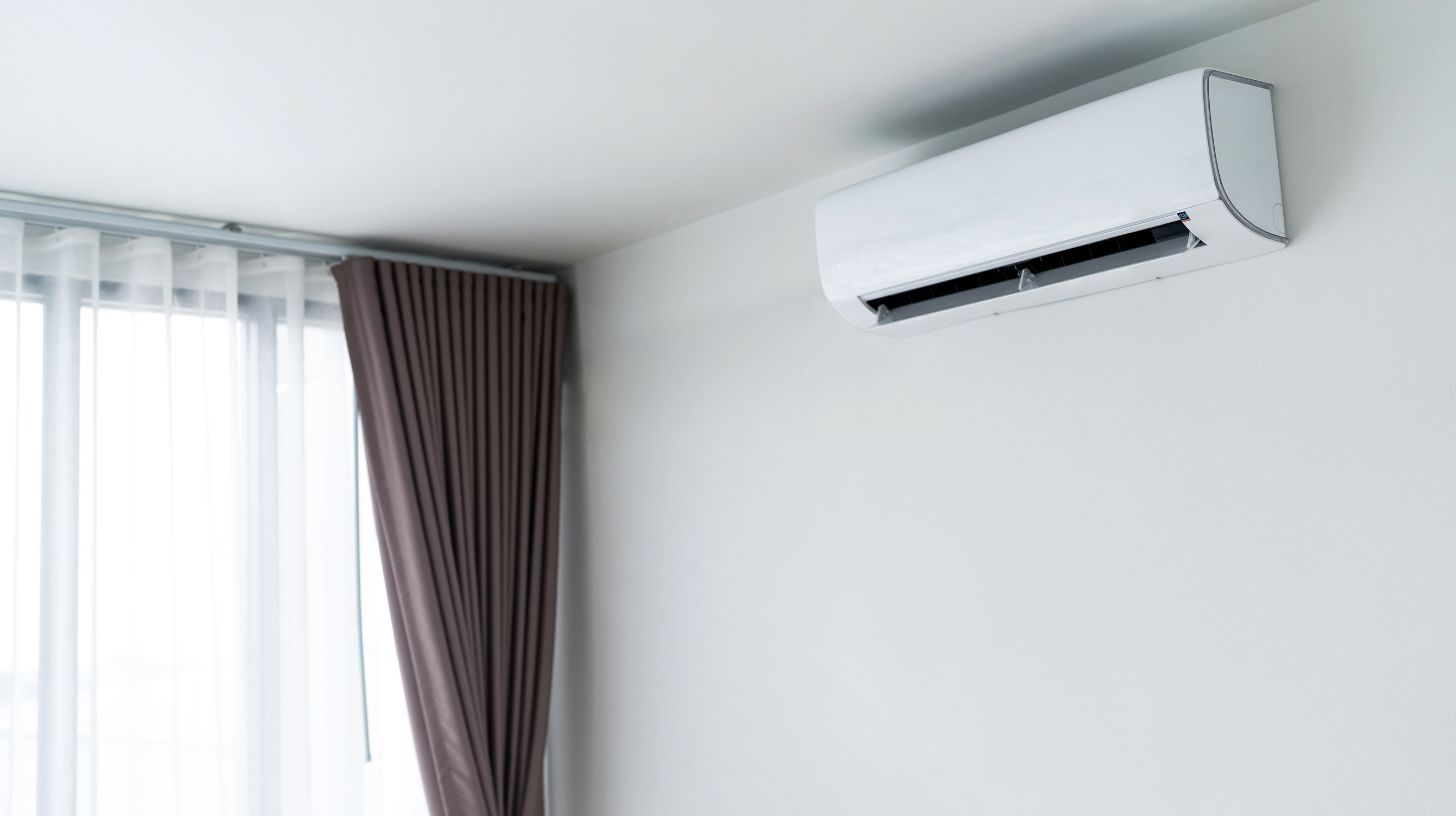
Semper Fi Heating and Cooling has expertise in mini split ACs. A mini split AC consists of a wall-mounted indoor air handling unit that is connected to a powerful, yet small, outdoor compressor. This type of air conditioner is typically a ductless system, meaning it does not require ductwork for operation. The two units are connected via a line set consisting of two copper tubes and one power cable. Generally, the outdoor compressor unit is connected to the wall-mounted indoor unit via a line set, which runs through a small hole in the wall and is also hidden behind a vinyl siding. The outdoor unit is responsible for compressing and condensing the refrigerant, converting the hot air from the indoor unit to a cooled form before it is released out of the outdoor unit. Meanwhile, the indoor unit takes in air from inside the room and distributes it to the various rooms in the home. Mini split ACs offer improved energy efficiency compared to traditional air conditioning systems, as well as a smaller footprint and the ability to customize their coverage area. What’s more, mini split ACs are often quieter than other types of air conditioners, making them a great choice for those living in noise-sensitive areas. Ultimately, if you’re looking for a powerful, cost-effective way to cool your home, a mini split AC is a great choice.

Advantages of Mini Split AC Systems

Semper Fi Heating and Cooling is renowned for its proficiency in efficiently installing and servicing mini split AC systems. Mini split AC systems bring a number of advantages to homeowners. For starters, they are an energy efficient heating and cooling solution, consuming much less energy to run than traditional HVAC systems. This energy efficiency means higher energy cost savings over time, making mini split AC systems a great economical choice.

Additionally, compared to traditional HVACs, mini split AC systems use less space in the home, which makes them particularly attractive for smaller homes and properties. Through their small ductless design, they can more efficiently reach all parts of the home for superior air control. The resulting air quality is superior because these systems create better airflow and avoid allergens. This is made possible with the multi-zone approach mini split AC systems take, where each zone is individually controlled with its own thermostat for more accurate temperature regulation.

Despite the small size of mini split AC systems, they can produce the same cooling and heating power as any other HVAC unit, making them powerful and reliable systems. Semper Fi Heating and Cooling can help ensure smooth installation and running of these systems, with their professionalism and expertise in the field. On top of that, mini split AC systems are designed to run quietly and free of sound disturbances, for a greater comfort at home. All in all, mini split AC systems boast numerous advantages, and with Semper Fi Heating and Cooling’s help, they can make a great air conditioning option for any home.

Types of Mini Split AC Units

Semper Fi Heating and Cooling specializes in the installation of efficient and powerful mini split AC systems. Mini splits are air conditioners that are typically composed of two main components that are connected through tubing and wiring: an indoor evaporative unit and an outdoor condensing unit. While a traditional air conditioning system would service an entire home with one large unit located outside, mini splits offer more individualized control for individual rooms, zones, or open spaces.

Semper Fi Heating and Cooling offers a variety of mini split systems to choose from, allowing customers to find the ideal solution for their cooling needs. The company installs single zone, multi-zone, ductless, and heat pump mini splits. Single zone systems are the most common and have one indoor head with an outdoor condenser. These are perfect for those looking for a little extra cooling in one room or area. Multi-zone systems have two to five heads and one outdoor compressor. This allows people to have flexibility in cooling specific areas and are great for larger homes. Ductless mini splits provide easy installation and can be used in a variety of contexts, including commercial and residential settings, and are ideal for rooms without access to traditional ductwork. Heat pump mini splits are the most efficient type of mini split available. Utilizing a heat pump additionally allows people to use their mini split for both cooling and heating their home.

Semper Fi Heating and Cooling’s staff are extensively trained in the installation and service of mini split systems. The company’s technicians can ensure the buyer gets the perfect system at the best value. The company is familiar with available rebates for most buys and can assist customers in taking advantage of them. With a wide range of mini splits available, Semper Fi Heating and Cooling has the experience and know-how to ensure customers have the perfect solution for their cooling needs.

Mini Split AC vs. Traditional Central AC

When choosing between a mini split AC and a traditional central AC for cooling your home, there are a few factors to consider. One of the most important aspects to consider when deciding on the right air conditioning system for your home is convenience and efficiency. Mini split air conditioners can be used to moderate the temperature of individual rooms or zones within a home, giving users more control over climate regulation, and increased energy efficiency. These air conditioners also tend to be definitive in terms of cost savings, with an initial install that’s often comparable or lower than a central AC unit of the same size. Central AC systems are a very popular option and have been the traditional and most common choice for decades. However, due to the larger nature of these systems, maintenance costs tend to be higher since the entire system must be inspected and serviced, rather than individual components. If you live in an area that requires a more efficient AC system, Semper Fi Heating and Cooling will provide you with knowledgeable opinions and state-of-the-art solutions suited to your home’s needs, helping you to determine which AC system is best for your budget and household. With their extensive experience in air conditioning, they can offer reliable guidance on the benefits and drawbacks of both mini split ACs and traditional central ACs. Ultimately, the right air conditioning system for your home will depend on your specific needs, location, budget and size of the space in need of cooling.

Final Thoughts

Mini split ACs are a great way to conveniently and efficiently cool one or more areas in a building. They work by evenly distributing air throughout a space using air handlers connected to a main outdoor unit. This way, individual rooms can be set to different temperatures and needs. Many people favor these systems because they offer flexibility, require no ductwork, are quiet, and are easier to install than many central ACs. There are a variety of mini splits available, with each having different features in regards to energy efficiency, performance, cost, and installation. Ultimately, mini split ACs are much more suitable and cost-effective for many applications, while traditional central ACs may hold an advantage in some cases.

Frequently Asked Questions

What is a mini-split AC system?

A mini-split AC system is a type of air conditioning system that consists of two main components, an indoor unit and outdoor unit. The indoor unit is mounted in the room or area to be cooled and consists of an evaporator, blower, and compressor. The outdoor unit is mounted outside the home or building and consists of a condenser and compressor unit. The two units are linked together by refrigerant lines which allow for the transfer of hot and cold air between the two components. This type of system is ideal for those who lack sufficient ductwork and allow for better temperature control and energy savings.

How does a mini-split AC work?

A mini-split AC system is an air conditioning system that is made up of two separate units. The outdoor unit contains a compressor and condenser coil, while the indoor unit consists of an evaporator coil and a fan. The two units are connected together by a refrigerant line. The outdoor unit draws in warm, outside air and passes it through the evaporator coil. This causes the air to become cold, and the fan then circulates the cool air inside the room or house. The refrigerant then travels back through the refrigerant line to the outdoor unit, where it is compressed and cooled, before being sent back to the indoor unit to start the cycle again.

What are the main components of a mini-split AC?

The main components of a mini-split AC include an outdoor unit, an indoor unit, and two lengths of copper tubing connected between the two. The outdoor unit contains a compressor, condenser, fan, and expansion valve. The indoor unit contains an evaporator, a blower, and an air filter. Typically, both the outdoor and indoor units are connected to a wall control panel, allowing for full control over functions such as temperature and fan speed.

What are the advantages of using a mini-split AC?

The main advantages of using a mini-split AC are:

1. Flexibility: Mini-split AC units are small and require minimal installation, allowing them to be placed almost anywhere.

2. Independent temperature control: Each unit of a mini-split system can be controlled independently, allowing each room to be tailored to the temperature preference of its occupant.

3. Lower energy bills: Many mini-split AC units are much more energy efficient than traditional central air systems. This can help save money on monthly utility bills.

4. Silent operation: Mini-split AC systems are much quieter than central air systems, providing a more comfortable atmosphere.

For homeowners looking to upgrade their cooling system, a new ductless mini-split replacement in Phoenix, AZ can provide both better temperature control and lower operational costs.

How Far Should an AC Unit Be From a House?

Proper AC unit placement is vital for energy efficiency, cost savings, and safety. Ensure the unit is at an optimal distance from walls, windows, and direct sunlight to reduce energy consumption. Minimize fire and electrical hazards by keeping it away from combustible materials and maintaining proper wiring. Maintain airflow and accessibility to prevent reduced performance and damage. Proper placement enhances comfort, efficiency, and savings in your home.

Proper AC unit placement is not only an important factor in saving energy and lowering utility costs, but it is also essential for safety purposes. Whether you are looking for the optimal distance from a wall, wiring tips to avoid fire and electrical hazards, or optimizing the AC unit performance with proper airflow and accessibility, this article will provide the answers.

The Importance of Proper AC Unit Placement

Having a properly placed air conditioning unit is an essential part of any building’s environment; it helps to keep the indoor air quality and temperature stable and can even reduce the energy and costs associated with maintaining a comfortable climate. Proper AC unit placement is key to overall comfort, efficiency, and cost savings.

Most air conditioning units are housed in a separate unit outside the building; this makes it particularly important to make sure it is placed in a location that provides optimal cooling and efficiency. To that end, the unit should always be placed in a spot where it will not be obstructed by trees, plants, or other objects that may block airflow. Additionally, it should be away from direct sunlight and not in a direct draft where the air current may blow away the cold air before it has a chance to cool the indoors. Placing the unit where it has adequate airflow allows it to operate efficiently and prevents it from overworking and using more energy than necessary.

Different types of AC units also each have their additional considerations regarding placement. For example, a window unit should be placed in an area with proper ventilation, away from furniture, curtains, and blinds, which could block the flow of air. Similarly, a split system AC should be placed away from walls, furniture, and other objects that might get in the way of the area where the unit transfers heat from the indoors to the outdoors.

Overall, proper AC placement is an essential part of creating a comfortable indoor climate. With the right placement for the type of unit being used, you can ensure optimal efficiency, cost savings, and comfort for everyone in the building.

Energy Efficiency and Cost Savings

The Impact of AC Unit Placement on Energy Efficiency
Proper AC unit placement can significantly impact the energy efficiency of your cooling system. An AC unit that is strategically positioned can reduce energy consumption and ultimately save you money on your energy bills. Here’s how:

  • Shading and Sunlight Exposure: Placing your AC unit in direct sunlight can cause it to work harder to cool your space. This results in increased energy consumption and higher cooling costs. On the other hand, positioning the unit in a shaded area or providing external shading can reduce its workload and save energy.
  • Airflow and Obstructions: Adequate airflow around the AC unit is essential for efficient operation. Ensure there are no obstructions like tall plants, fences, or structures blocking the airflow. Proper clearance allows the unit to expel hot air more effectively and operate efficiently.
  • Distance from Windows and Doors: The proximity of your AC unit to windows and doors can impact its efficiency. Installing the AC unit too close to these openings may result in cool air escaping and warm air infiltrating your space. Finding the right distance can help maintain a consistent indoor temperature and reduce the workload on your AC system.

How to Determine the Optimal Distance

To find the optimal distance for your AC unit placement, consider the following steps:

  • Consult the Manufacturer’s Recommendations: Start by reviewing the manufacturer’s guidelines and recommendations for your specific AC unit model. They often provide information on clearance requirements and ideal placement conditions.
  • Evaluate Your Property: Assess your property to identify shaded areas and potential obstructions. Aim to place the AC unit in a location where it will receive minimal direct sunlight and have ample space for airflow.
  • Seek Professional Advice: If you’re unsure about the best placement for your AC unit, consider consulting a professional HVAC technician. They can assess your property, taking into account factors like local climate conditions, and provide expert guidance on optimal placement.
  • Consider Aesthetic and Safety Concerns: While energy efficiency is important, don’t neglect aesthetic and safety considerations. Ensure the AC unit placement adheres to local building codes and regulations to maintain safety standards

Minimizing Fire and Electrical Hazards in Your Home’s AC Unit Placement

When selecting a place to install an air conditioning unit in a home, safety must be a priority. Proper placement will ensure the unit is not a fire or electrical hazard in the home. To minimize fire and electrical hazards, place the air conditioning unit away from any combustible material such as furniture, fabric, paper, or wood, and avoid positioning it too close to windows and/or doors. It is also important that you maintain at least two to three feet of space between the side of the unit and any combustible materials or walls for proper air flow. Additionally, do not install the unit on top of shelves, counters, or furniture, as this could lead to a fire hazard.

In terms of electrical hazards, ensure that all electrical components, outlets, and wiring are up to date and functioning correctly. If the wiring will not be able to handle the voltage used, opt for a unit with a lower power consumption. The outdoor portion of the air conditioner should also be installed away from any sources of water to prevent any electrical issues stemming from potential moisture damage. Finally, to reduce the chance of injury, make sure the unit is firmly secured to the wall and can support its weight. Taking these precautions will ensure that your air conditioner is installed safely and correctly and will minimize fire and electrical hazards in your home.

Maintaining AC Unit Performance

Maintaining the performance of an air conditioning (AC) unit relies heavily on maintaining air flow and accessibility. Airflow is essential for two primary reasons: efficient circulation of cooled air and the ventilation of the air conditioning unit itself. To ensure efficient circulation, focus on removing obstructions from the vicinity of the air conditioning unit that might block air flow and cause restricted air flow, such as furnishings, drapes, and other obstructions. If the AC unit is wall-mounted, ensure that it is mounted correctly, as an improperly mounted AC unit can lead to restricted airflow. Furthermore, maintaining airflow also involves regular filter replacement. Air filters should be inspected and replaced regularly to prevent dust, dirt, and other debris from entering the AC unit and clogging the motor or causing mechanical problems. Maintaining air flow for ventilation is also important, as blocking the outdoor air intake of an AC unit with junk can lead to overheating.

When it comes to accessibility, the outside AC unit should be inspected routinely on a seasonal basis and should be kept free of obstructions that might cause damage. It’s also important to ensure it is not overly cluttered with debris or surrounded by vegetation to ensure adequate performance. Furthermore, it is important to address any parts of the Ductwork that are not easily accessible—blocked ducts and filters will contribute to reduced airflow, affecting the AC’s performance. The unit should additionally be installed on an even surface. Regular maintenance and preventative care can help ensure that the AC unit retains its performance and minimizes the potential for damage.

The Key to Proper AC Unit Placement

The importance of properly placing an AC unit in a home cannot be overstated. To ensure energy efficiency and cost savings, the unit should be placed at an optimal distance from house walls, windows, and other sources of outside heat and sunlight. Furthermore, to minimize fire and electrical hazards, the unit should not be installed near flammable materials or in a dangerous, wet area. Lastly, for optimum performance, the AC unit requires adequate airflow and accessibility, thus, it should not be enclosed by furniture or decorative objects. By following these guidelines, homeowners will be able to maximize the effectiveness and the safety of their AC units.

Frequently Asked Questions

Why is the distance between an AC unit and a house important?

The distance between an AC unit and a house is important because it ensures that the unit is installed in a location that won’t interfere with ventilation or exhaust from the house, which can lead to air quality and safety issues. Additionally, the right distance can help prevent mechanical problems with the AC unit that could arise from exposure to extreme temperatures, high winds, and other elements.

What is the optimal distance between an AC unit and a house?

The optimal distance between an AC unit and a house is at least 5 feet. This distance is necessary to ensure that the exhaust from the unit is not recirculated back into the house. Additionally, this distance prevents any potential noise from the unit from entering the house.

How does AC unit placement affect energy efficiency?

AC unit placement can have a direct effect on how efficiently the air conditioner operates. When an AC unit is placed in an area where there is direct sunlight or excessive wind, it requires more energy to keep the area cool. Also, if an air conditioner is not placed in a centralized area of a home, it could be using more energy to cool spaces that are farther away. Proper placement of the air conditioner can ensure better circulation, better distribution of air, and a more efficient use of energy.

What safety hazards can occur if the AC unit is too close to the house?

If an AC unit is installed too close to a house, it can create several safety hazards. These hazards include:

1. Fire Risk: The AC unit’s condenser coils can become overheated, creating a fire hazard.

2. Mold Growth: Moisture collecting on the condenser coils can cause mold growth in the unit and on nearby surfaces like windowsills and walls of the home.

3. Carbon Monoxide: If the AC unit is too close to the home, it may not have proper ventilation, leading to a buildup of carbon monoxide.

4. Pest/Insect Infestations: If the unit is too close to the house, it can become home to pests and insects that can cause further issues.